










 ▲
▲




 Email this article
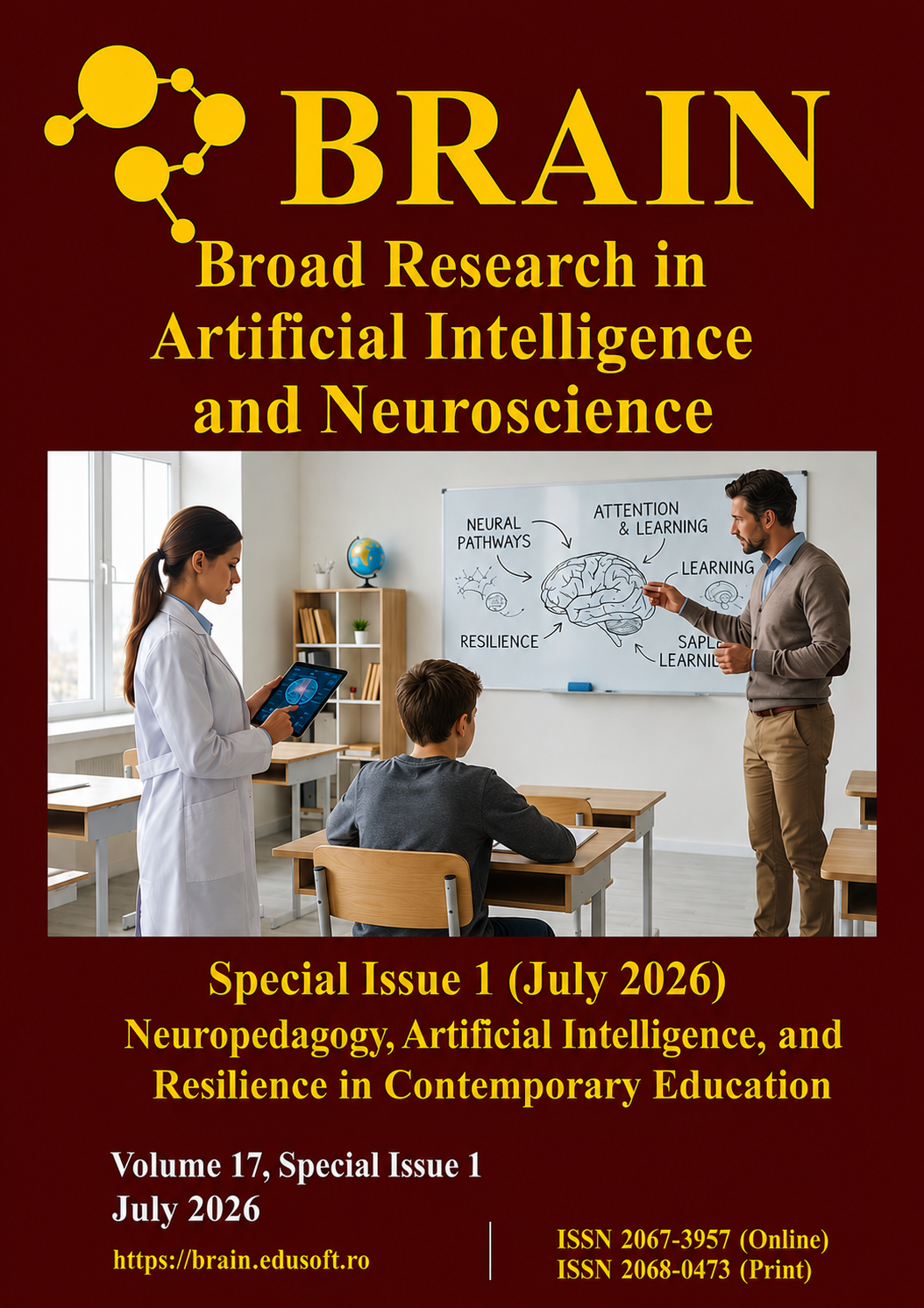


BRAIN. Broad Research in Artificial Intelligence and Neuroscience
Volume: 17 | Issue: 1S |
The Use of Information and Computer Technology in the Training of Translators and Interpreters
Published July 20, 2026
❝
Cite

Abstract
Over the past decade, the importance of information and communication technologies (ICT) in education has grown dramatically. Many experimental and theoretical studies are aimed at determining the effectiveness of using ICT as a means of forming competencies. The article reveals modern opportunities for training philologists-translators using information and communication technologies. The aim of the study is to consider the role of modern technologies in the formation of information and technological competence of future translators, their advantages, as well as the problems that both students and teachers face when teaching translation using ICT. The effectiveness of ICT depends on the methods and forms of application of these technologies and on how competent the teacher is in working with the electronic resources they use. The particular importance of the formation of information and technological competence in the professional education of a translator is noted. This article examines the integration of modern information and communication technologies (ICT) into the training of translators within the framework of modern higher education. The emphasis is on digital tools, interactive platforms and corpus resources that enhance linguistic competence, translation accuracy and student autonomy. A mixed-method empirical study was conducted among students of translation faculties in Ukraine, and revealed increased cognitive engagement, motivation and skill development through the integration of ICT.
Academic discipline and sub-disciplines:
Artificial Intelligence; Technology; Education; Psychology
Keywords
DOI: http://dx.doi.org/10.70594/brain/17.S1/1