










 ▲
▲




 Email this article
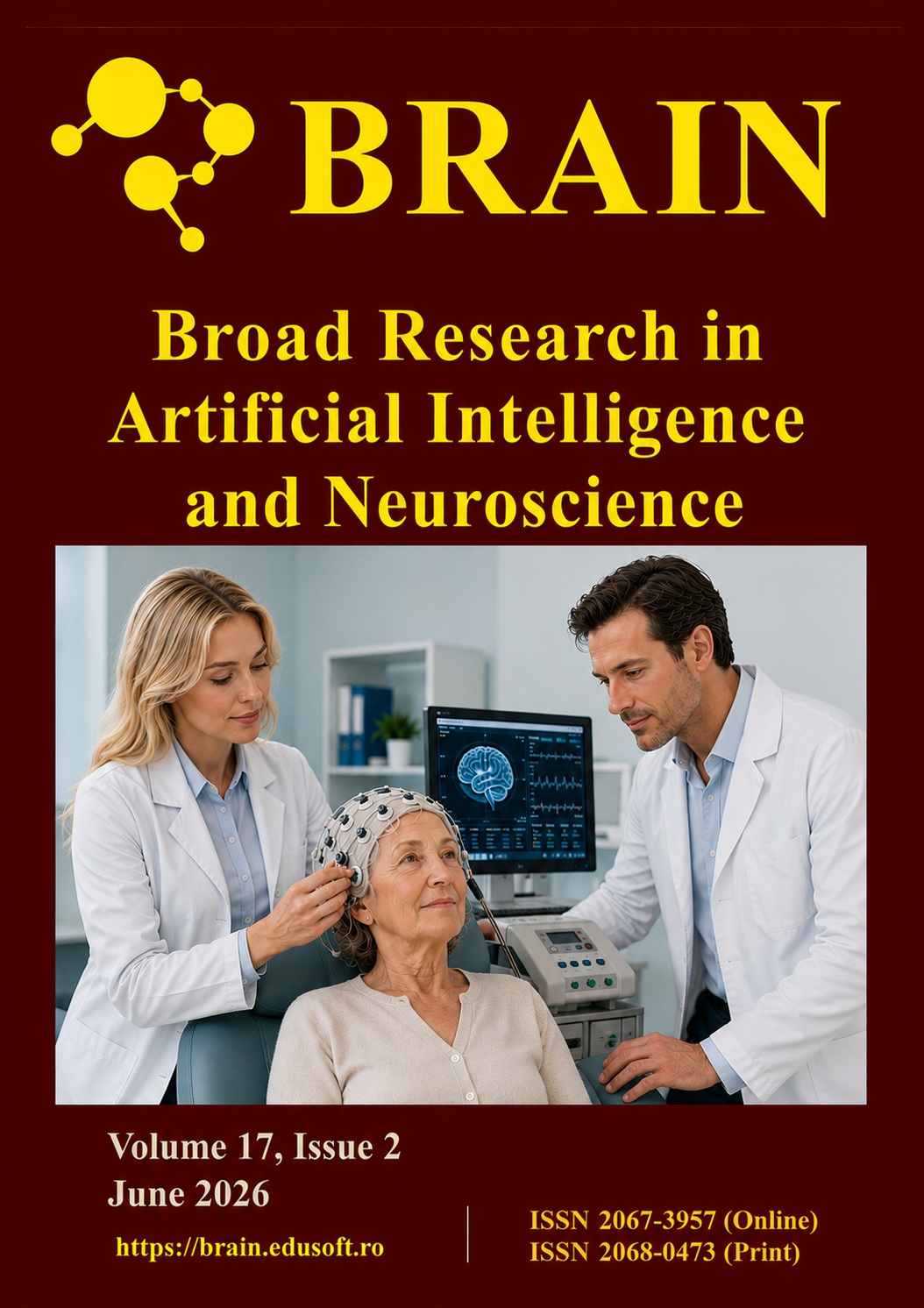


BRAIN. Broad Research in Artificial Intelligence and Neuroscience
Volume: 17 | Issue: 2 |
Sandplay Therapy as a Priority in Art Therapy for Reducing Stress in Children
Published June 3, 2026
❝
Cite

Abstract
The article discusses the implementation of art therapy classes using sandplay. Its relevance stems from the increasing number of children who experience psychological trauma and require psychological support. It aims to clarify such concepts as “art therapy” and “sandplay therapy”. It also explores practical approaches to art therapy, while highlighting the effectiveness of sandplay therapy. Research methods include a detailed analysis of relevant scientific sources and a systematic review. The findings reveal that prolonged emotional exhaustion and stress negatively affect the human psyche. In turn, art therapy has proven highly effective as a universal method for psychological intervention across different age groups and mental conditions. Its mission lies in identifying psychological problems and helping the child release outdated or repressed emotions. This can be achieved through symbols, images and metaphors, thereby processing information at the unconscious level of the psyche. Sandplay therapy supports the development of memory, attention, spatial imagination, communication skills, and fine motor abilities.
Academic discipline and sub-disciplines:
Psychology; Pedagogy; Psychotherapy
DOI: http://dx.doi.org/10.70594/brain/17.2/23