










 ▲
▲




Loredana
Ilie Piechowska
Abstract:This is Volume 15, Issue 4 (December 2024) of the journal BRAIN. Broad Research in Artificial Intelligence and Neuroscience, edited by EduSoft Publishing.
Table of Contents
Disclaimer: These images were generated using artificial intelligence and may contain inaccuracies or inconsistencies. They are provided solely as a visual aid to facilitate the rapid understanding of the key ideas presented in these article. Our editorial team conducts ongoing reviews of AI-generated images and will correct or replace them whenever an error or discrepancy is identified or reported.
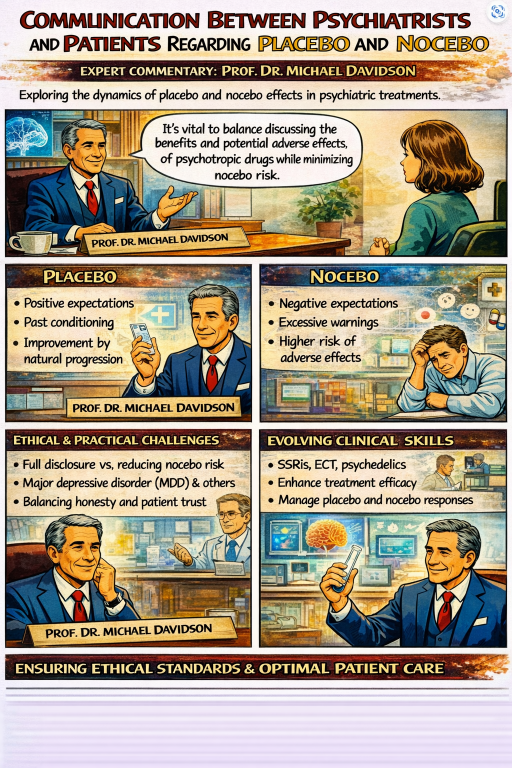
Disclaimer: This image was generated using artificial intelligence and may contain inaccuracies or inconsistencies. It is provided solely as a visual aid to facilitate the rapid understanding of the key ideas presented in this article. Our editorial team conducts ongoing reviews of AI-generated images and will correct or replace them whenever an error or discrepancy is identified or reported.
Authors:
Michael
Davidson
Abstract:In this insightful commentary, Prof. Dr. Michael Davidson delves into the nuanced dynamics of placebo and nocebo effects in psychiatric treatments, with a focus on communication strategies between psychiatrists and patients. He explores the balance required in presenting the benefits and potential adverse effects of psychotropic drugs while enhancing therapeutic outcomes and minimizing nocebo risks.
The commentary highlights the critical role of non-specific factors such as physician communication, patient conditioning, and natural disease progression in amplifying treatment efficacy. Prof. Davidson also underscores the ethical and practical dilemmas faced by psychiatrists in daily practice, such as the fine line between full disclosure and mitigating nocebo effects, especially in conditions like Major Depressive Disorder (MDD), where placebo response can significantly influence outcomes. By examining established and emerging treatments, including SSRIs, ECT, and psychedelics, Prof. Davidson offers a comprehensive perspective on the evolving clinical skills required to manage placebo and nocebo effects effectively, ensuring both adherence to ethical standards and the best possible patient care.
Articles (peer reviewed)
Disclaimer: This image was generated using artificial intelligence and may contain inaccuracies or inconsistencies. It is provided solely as a visual aid to facilitate the rapid understanding of the key ideas presented in this article. Our editorial team conducts ongoing reviews of AI-generated images and will correct or replace them whenever an error or discrepancy is identified or reported.
Authors:
Daniel
Madalin Coja
, Ilie
Onu
, Ana
Onu
, Daniel
Andrei Iordan
, Gabriel
Gheorghiu
, Virgil
Ene-Voiculescu
, Laurentiu
Gabriel Talaghir
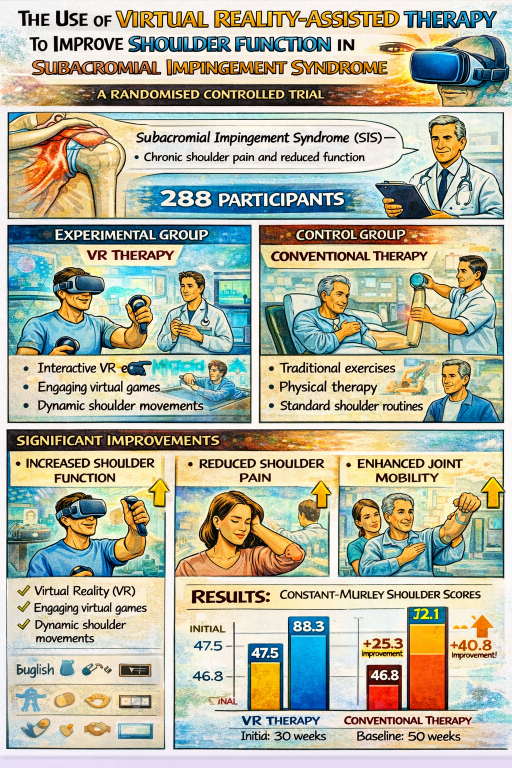
Abstract:Subacromial impingement syndrome (SIS) is a common problem in clinical practice that affects the functionality of the shoulder. This study investigates the effectiveness of virtual reality (VR) assisted therapy in treating this syndrome, focusing on assessment using the Constant-Murley shoulder score. Materials and Methods: A group of 288 participants was randomly divided into two categories: an experimental group that received VR therapy and a control group that underwent conventional therapy. The Constant-Murley shoulder score assessed patients' progress, measuring shoulder function, joint mobility, and associated pain. Results: The participants underwent therapeutic interventions for 50 weeks, and the results were compared between the two groups. The experimental group that benefited from VR therapy showed significant improvements in Constant-Murley scores, indicating an increase in shoulder functionality, joint mobility, and pain reduction compared to the control group. Conclusion: VR therapy has proven effective in improving shoulder functionality in patients with SIS according to the Constant-Murley score. These results support the use of VR as an innovative and promising therapeutic option in treating this musculoskeletal condition.
Disclaimer: This image was generated using artificial intelligence and may contain inaccuracies or inconsistencies. It is provided solely as a visual aid to facilitate the rapid understanding of the key ideas presented in this article. Our editorial team conducts ongoing reviews of AI-generated images and will correct or replace them whenever an error or discrepancy is identified or reported.
Authors:
Dmytro
Zubov
, Andrey
Kupin
, Nurlan
Shaidullaev
, Rita
Ismailova
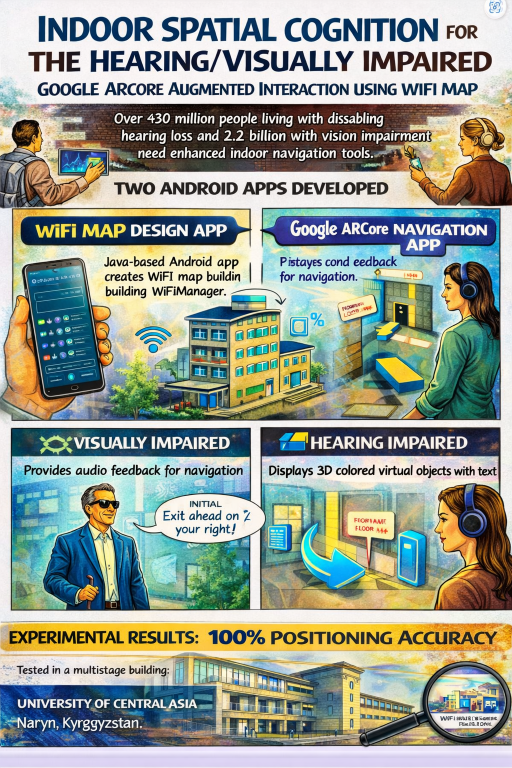
Abstract:Over 430 million people worldwide have disabling hearing loss, and 2.2 billion suffer from vision impairment. Assisting these populations with enhanced indoor navigation tools is critical for improving their independence and quality of life. This research advances existing indoor spatial cognition systems for individuals with hearing or visual impairments by developing two Java-based Android applications on the Android 10 operating system. The first application gathers the WiFi BSSIDs data via the Java Android class WifiManager to design a WiFi map inside the multistage building. In the second application, the WiFi map is employed to localize individuals with impairments and provide audio feedback for the visually impaired; for individuals with disabling hearing loss, the feedback is provided in a form of 3D GLB colored virtual object with textual information via the Google ARCore augmented reality library. Experimental results show a 100 % positioning accuracy in indoor localization at the multistage academic building at the University of Central Asia (Naryn campus, Kyrgyzstan).
Disclaimer: This image was generated using artificial intelligence and may contain inaccuracies or inconsistencies. It is provided solely as a visual aid to facilitate the rapid understanding of the key ideas presented in this article. Our editorial team conducts ongoing reviews of AI-generated images and will correct or replace them whenever an error or discrepancy is identified or reported.
Authors:
Beril
Susan Philip
, Daniel
Andrei Iordan
, Dan
Eugen Costin
, Ilie
Onu
, Isabel
De la Torre Díez
, Girijesh
Prasad
, D Jude
Hemanth
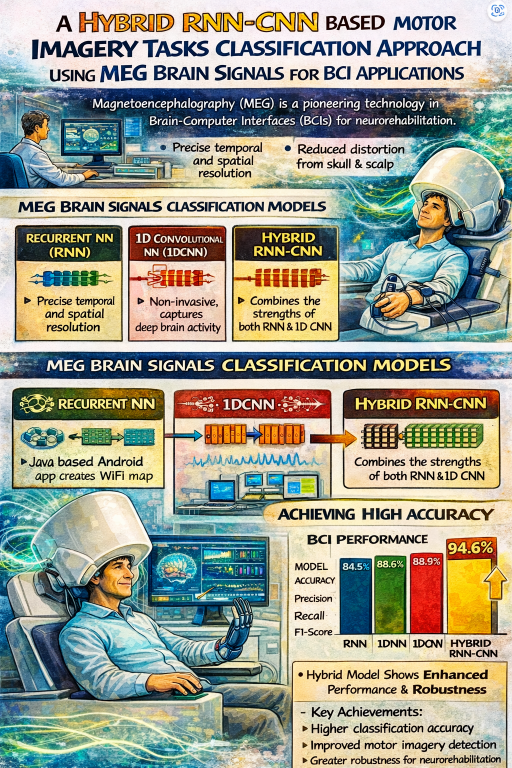
Abstract:Magnetoencephalography (MEG) has become a pioneering technology in Brain-Computer Interfaces (BCIs) for neurorehabilitation, which significantly improves communication and motor rehabilitation for people with neurological conditions, especially stroke survivors. MEG-based BCIs allow users to regain control over their motor and cognitive functions by providing precise temporal and spatial resolution for detecting neural activity. The MEG has several benefits including reduced distortion from the skull and scalp, its non-invasive nature, and the ability to capture deep brain activity, all of which enhance the effectiveness of BCI systems. This study focuses on classifying motor and cognitive tasks using various models, including Recurrent Neural Networks (RNNs), one-dimensional Convolutional Neural Networks (1DCNNs), and a hybrid approach. The effectiveness of the models in classification tasks was evaluated using various metrics such as accuracy, recall, precision, and F1-score. Significantly, the hybrid model exhibited enhanced performance relative to the other models, achieving marked improvements in both classification accuracy and robustness. These results underscore the promise of MEG BCI technology for neurorehabilitation and stress the need for the development of sophisticated classification models to support the recovery of motor and cognitive abilities in people with neurological conditions. This study adds to the expanding research focused on enhancing the quality of life for affected individuals by utilizing innovative BCI solutions, leveraging the unique capabilities of MEG technology to enable more effective neurorehabilitation interventions.
Disclaimer: This image was generated using artificial intelligence and may contain inaccuracies or inconsistencies. It is provided solely as a visual aid to facilitate the rapid understanding of the key ideas presented in this article. Our editorial team conducts ongoing reviews of AI-generated images and will correct or replace them whenever an error or discrepancy is identified or reported.
Authors:
Cristina
Dumitru
, Florin
Zamfirache
, Adina
Trimbitas
, Beatrice
Mihaela Radu
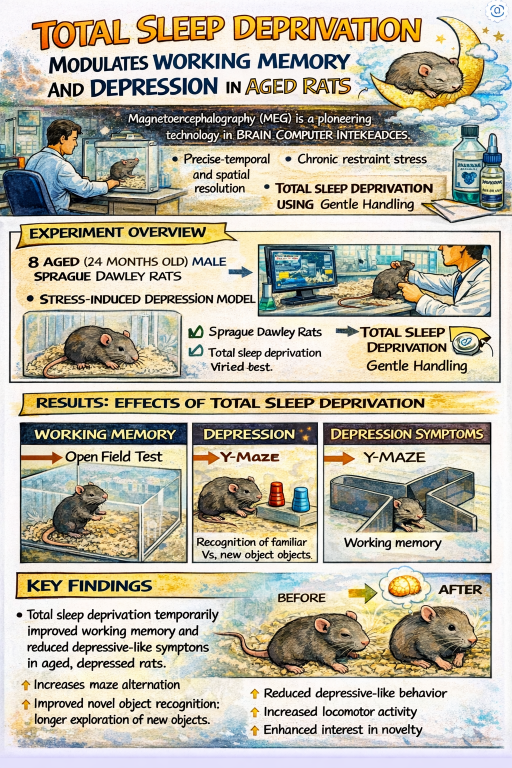
Abstract:Sleep deprivation has shown promise in rapidly alleviating depression symptoms without adverse effects, its impact on memory remains unclear, especially in depressed individuals. The study investigates the effects of total sleep deprivation on depression symptomatology and memory in aged rats with induced depression. The experiments were carried out on 8 adult male Sprague Dawley rats. A depression model was induced using the chronic retention stress paradigm. Total Sleep Deprivation was achieved using the gentle handling procedure. Behavioral tests, including the open field test, Y-maze, and novel object recognition test, were conducted to assess locomotor activity, spatial working memory, object recognition memory and depressive symptomatology. Sleep deprivation resulted in an initial increase in locomotor activity and exploration behaviors across different experimental setups. This heightened activity tended to normalize over time, suggesting a transient response to the lack of sleep. However, the total time spent in these zones was not significantly different from controls, suggesting that the fundamental engagement with the environment might remain intact despite altered entry behaviors. This suggests that the cognitive components of these behaviors may be resilient to short-term sleep loss. Overall, these findings suggest that the role of sleep is facilitating rather than essential in memory.
Disclaimer: This image was generated using artificial intelligence and may contain inaccuracies or inconsistencies. It is provided solely as a visual aid to facilitate the rapid understanding of the key ideas presented in this article. Our editorial team conducts ongoing reviews of AI-generated images and will correct or replace them whenever an error or discrepancy is identified or reported.
Authors:
Andrei
Buciuta
, Horia G
Coman
, Bogdan
Nemeș
, Radu
Oroian
, Mihaela E
Vușcan
, Mihaela L
Vica
, Horea V
Matei
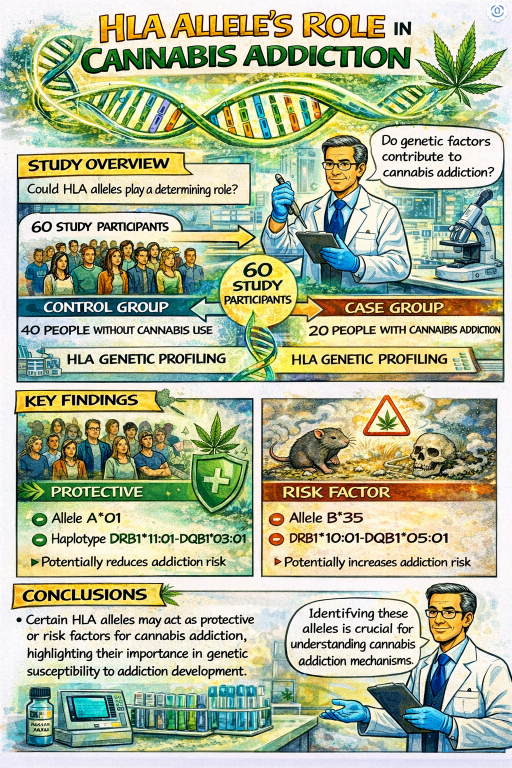
Abstract:Background and objectives. It can be argued that there is a genetic component that has a determining or promoting role in this direction. In the present pilot study, we aimed to identify an element of the HLA profile that is involved in the development of addiction.
Methods. The 60 study participants were divided into two groups - the control group - 40 people without cannabis use and the case group - 20 people with cannabis addiction.
Results. We identified both an allele and a haplotype with a potential protective role and a haplotype with a risk factor role in the development of cannabis addiction.
Conclusions. The results of the present study indicate several potential alleles that may act as a protective or risk factor for the development of cannabis addiction. The determination of these genes may have an important role in identifying possible mechanisms of developing addiction.
Disclaimer: This image was generated using artificial intelligence and may contain inaccuracies or inconsistencies. It is provided solely as a visual aid to facilitate the rapid understanding of the key ideas presented in this article. Our editorial team conducts ongoing reviews of AI-generated images and will correct or replace them whenever an error or discrepancy is identified or reported.
Authors:
Preena
Prasad
, Valer
Niminet
, Anitha
J
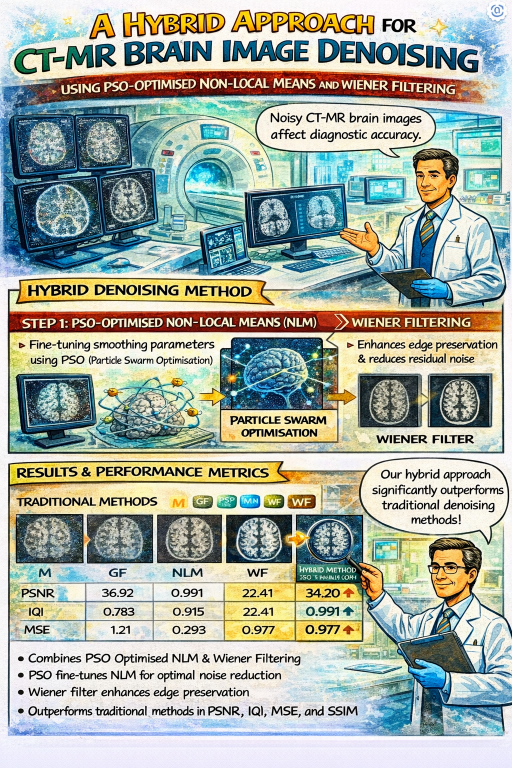
Abstract:Noise in CT-MR brain images poses a critical challenge, significantly impacting diagnostic accuracy as well as clinical decision-making. Current medical image-denoising techniques struggle to effectively remove noise while preserving crucial image features. The hybrid technique's potential that combines complementary denoising algorithms is highlighted by the limitations of these approaches. This paper develops & evaluates a denoising method that combines the strengths of Particle Swarm optimised, Non-Local Means (NLM) & Wiener filtering. The proposed approach effectively denoises by leveraging non-local self-similarity in brain images. Particle Swarm Optimisation algorithm is employed to fine-tune the smoothing parameter of NLM denoising, ensuring optimal performance, while the Wiener filter helps to address the trade-off between noise reduction as well as edge preservation. The proposed denoising technique outperforms the traditional methods including median, gaussian, NLM, and wiener filter in terms of peak signal-to-noise ratio (PSNR), image quality index (IQI), mean square error (MSE), and structural similarity index (SSIM).
8
Disclaimer: This image was generated using artificial intelligence and may contain inaccuracies or inconsistencies. It is provided solely as a visual aid to facilitate the rapid understanding of the key ideas presented in this article. Our editorial team conducts ongoing reviews of AI-generated images and will correct or replace them whenever an error or discrepancy is identified or reported.
Authors:
Yaroslav
Kichuk
, Roman
Gurevych
, Olha
Bohush
, Liudmyla
Zasypkina
, Oksana
Shvets
, Olena
Bevz
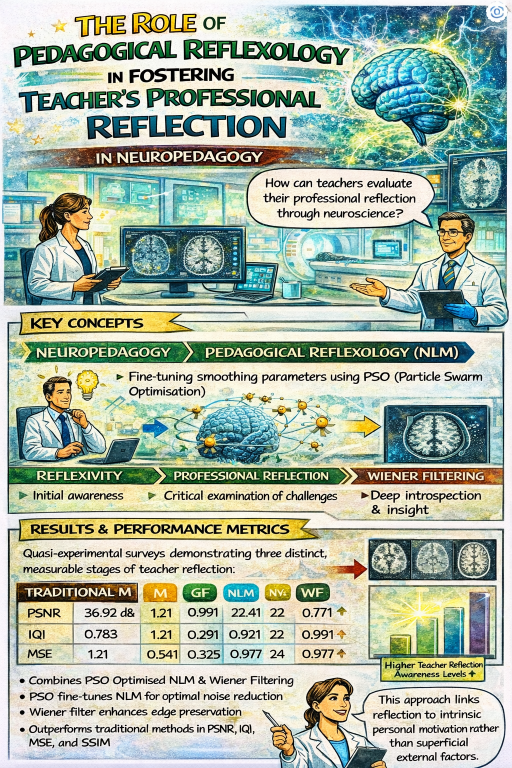
Abstract:The article is the first to address how teachers can evaluate their professional reflection within the neuroscience framework. The authors discuss the potential and conditions for teachers' self-monitoring, driven by internal personal stimuli. The article aims to offer a preliminary overview of neuropedagogical literature, paving the way for further research. Additionally, it seeks to outline the neurophysiological basis of teachers' professional reflection and conduct a demonstrative sociological quasi-experiment. This experiment supports the main thesis that reflexivity, reflection, and self-reflection in teachers when driven by intrinsic motivation, can function both as a professional tool and as a subject of transformation in neuropedagogy, while also being measurable and interpretable through neuroscientific approaches. The authors used methods of relevant selection and systematic analysis of scientific sources, along with pedagogical modelling, which involved developing an algorithm to stimulate and sustain natural teacher reflection. They also applied quasi-experimental surveys to assess the presence and level of awareness of three distinct stages of professionally significant reflection among teachers.
The study reveals that many existing theories of reflection within academic discourse fail to enhance the effectiveness of professional teacher reflection adequately. This reflection can become natural and ongoing when grounded in one's internal emotional stimuli, with minimal external influences. The authors established the importance of distinguishing and measuring the phenomena of reflexivity, professional reflection, and self-reflection, which can be incorporated into the broader neuro-structure of a specialist's self-regulation. These concepts can also be applied to the theory of pedagogical reflexology. The international significance of the article lies in the potential to apply the self-monitoring model of professional reflection for teachers within the neuropedagogical framework of teacher training programmes. This approach combines the authors' methodical strategies. Its effectiveness suggests that the model can serve as a framework for fostering professional reflection in current educational contexts.
Disclaimer: This image was generated using artificial intelligence and may contain inaccuracies or inconsistencies. It is provided solely as a visual aid to facilitate the rapid understanding of the key ideas presented in this article. Our editorial team conducts ongoing reviews of AI-generated images and will correct or replace them whenever an error or discrepancy is identified or reported.
Authors:
Claudia
Z Calciu
, Ancuța
E Păduraru
, Camelia
Soponaru
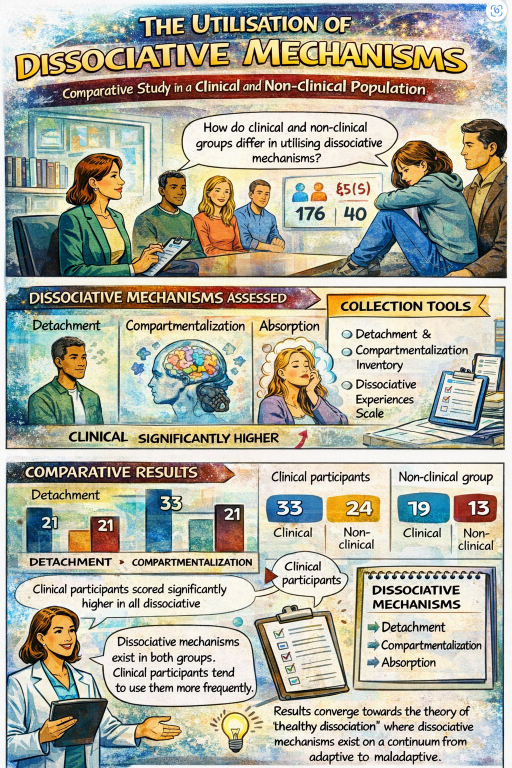
Abstract:Dissociative experiences are common in both clinical and general populations. In this study, we had the aim to explore the presence of any differences in the utilization of dissociative mechanisms between two types of populations, namely clinical and non-clinical and also to see if within each group there are differences in the use of these mechanisms. The research group consisted of 216 participants, of which 176 (81.5%) were non-clinical participants and 40 (18.5%) participants with a clinical diagnosis. We used two questionnaires, namely the Detachment and Compartmentalization Inventory and the Dissociative Experiences Scale and a demographic data collection tool. Our results showed that clinical participants scored significantly higher than non-clinical participants on detachment, absorption and compartmentalization. The data also showed that there are significant differences between the use of detachment, compartmentalization and absorption, separately for clinical and non-clinical participants. Detachment, absorption and compartmentalization are dissociative mechanisms used by the clinical as well as the non-clinical population, with no differences between groups in terms of gender. Age appears to influence the use of these mechanisms in the non-clinical population in that they are used less with advancing age. Absorption tends to be used less by married than unmarried people in the non-clinical population. The results of our study converge towards the theory which support the idea of "healthy dissociation".
Disclaimer: This image was generated using artificial intelligence and may contain inaccuracies or inconsistencies. It is provided solely as a visual aid to facilitate the rapid understanding of the key ideas presented in this article. Our editorial team conducts ongoing reviews of AI-generated images and will correct or replace them whenever an error or discrepancy is identified or reported.
Authors:
Horia
George Coman
, Romulus
Dan Nicoara
, Ana-Maria
Nicoara
, Codruta
Alina Popescu
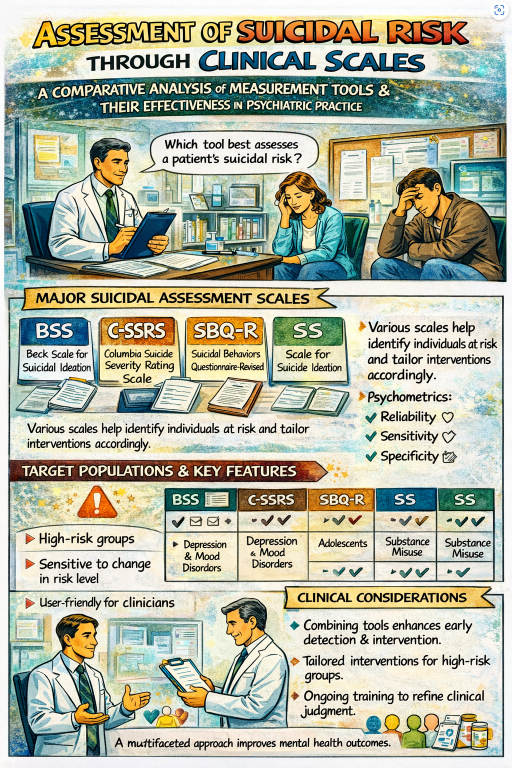
Abstract:Suicide risk assessment is one of the critical components of mental health care, necessitating accurate, reliable, and sensitive tools to identify at-risk individuals and guide interventions. This article provides a comprehensive analysis of various clinical scales used to assess suicidal risk, exploring their psychometric properties, target populations, and practical applications. Key scales discussed include BSS, C-SSRS, SBQ-R, and SS.
The analysis highlights the importance of integrating these tools into clinical practice to enhance early detection and management of suicidal behaviors, particularly among high-risk groups such as individuals with depression, mood disorders, adolescents, and so on.
The effective application of these assessment scales is crucial in improving mental health outcomes, emphasizing a multifaceted approach that includes mental health support, community engagement, and targeted interventions for high-risk groups. The article underscores the need for ongoing research and refinement of these tools to adapt to the evolving understanding of suicidal behavior and prevention strategies.
Disclaimer: This image was generated using artificial intelligence and may contain inaccuracies or inconsistencies. It is provided solely as a visual aid to facilitate the rapid understanding of the key ideas presented in this article. Our editorial team conducts ongoing reviews of AI-generated images and will correct or replace them whenever an error or discrepancy is identified or reported.
Authors:
Maria
Bonea
, Iulia
Larisa Kadar
, Cristian
Delcea
, Bianca
Malina Horgoș
, Catalina
Angela Crisan
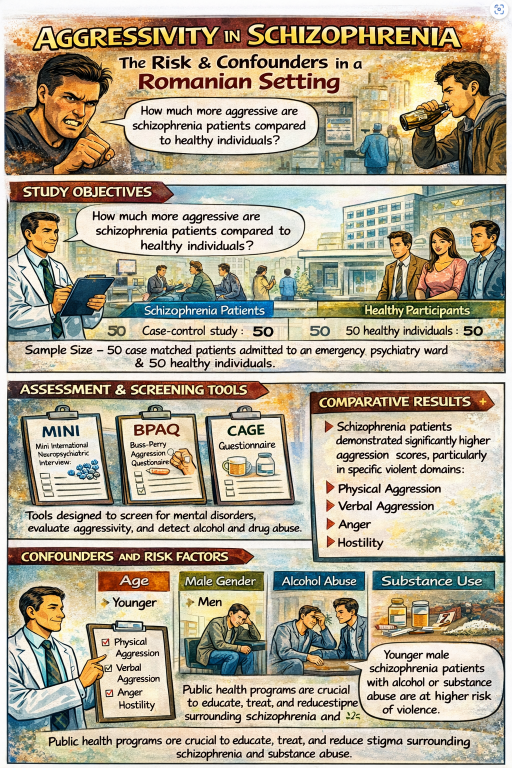
Abstract:There is an increased stigma in Romania regarding schizophrenia patients, who are thought to be violent and dangerous. However, there is little research on this topic that analyzes the exact risk of aggressive behavior, especially considering the high prevalence of alcohol and substance abuse, conditions also associated with a potential risk of violent behavior. The objectives of this study were to compare aggressivity levels between patients with schizophrenia admitted to an emergency hospital and healthy individuals and to find possible risk factors. This case-control study, matched for age and gender included 50 patients hospitalized for schizophrenia and 50 healthy participants from an emergency psychiatric facility in Romania. We collected demographic data and screened for major mental disorders using the Mini International Neuropsychiatric Interview (MINI). Aggressivity levels were measured with the Buss-Perry Aggression Questionnaire (BPAQ). The CAGE questionnaire and the Drug Abuse Screening Test (DAST-10) were used to screen for alcohol and substance use disorder. The results highlighted a 3.93 times increase in aggressivity in the schizophrenia group, with the involvement of specific violent domains. Younger men with alcohol abuse had a higher risk of violent acts. Schizophrenia patients appear to present an increased risk of violence, but this must be carefully assessed and confounders considered. Public health programs are needed to increase treatment compliance and decrease alcohol and other psychoactive substances consumption.
Disclaimer: This image was generated using artificial intelligence and may contain inaccuracies or inconsistencies. It is provided solely as a visual aid to facilitate the rapid understanding of the key ideas presented in this article. Our editorial team conducts ongoing reviews of AI-generated images and will correct or replace them whenever an error or discrepancy is identified or reported.
Authors:
Petrut
Florin Trofin
, Maria
Andreea Coteață
, Cezar
Honceriu
, Alin
Stelian Ciobica
, Ioannis
Mavroudis
, Rares
Alexandru Puni
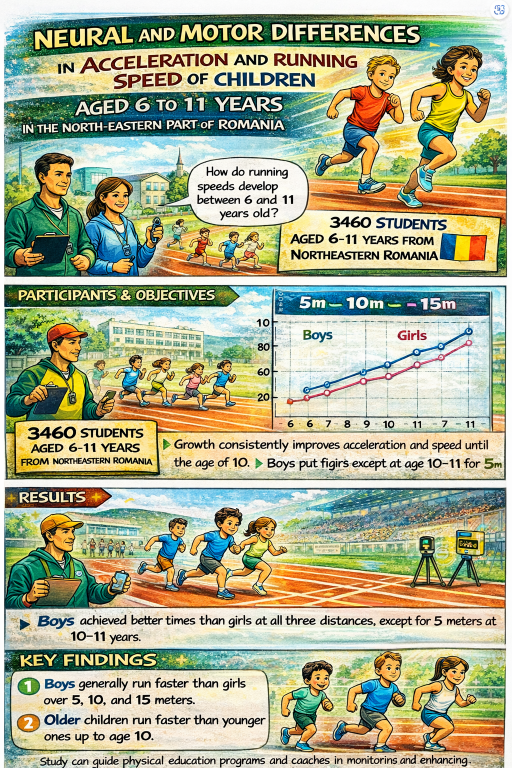
Abstract:Acceleration and running speed develop in childhood based on biological growth. The research aims to compare, according to gender and age, the running times of 5, 10, and 15 m of children aged 6 to 11 years in the north-eastern area of Romania. Our proposed distance analysis is scarce in the literature and we want to enrich and update the existing data, especially for the north-eastern region of Romania. Our research included 3460 primary school students whom we grouped according to chronological age and gender. Using the TracTronix TF100, the 12 groups formed were measured for 5, 10, and 15 m running times during physical education classes. The first hypothesis states that boys will have higher acceleration and speed values. Second, we assume that growth from 6 to 11 years will improve acceleration and speed for both genders. The unpaired t-test and one-way ANOVA confirmed both hypotheses (p<0.05). Both criteria we tested influence acceleration and running speed. Boys achieved better times than girls in all three events, except for 5 m at 10 and 11. Advancing in age improves acceleration and speed, there is a stagnation from 10 to 11 years for both genders, as well as the 7-8 years threshold for boys. Our study reinforces the effect that gender and age have on children's acceleration and speed, and can be a benchmark for practitioners.
Disclaimer: This image was generated using artificial intelligence and may contain inaccuracies or inconsistencies. It is provided solely as a visual aid to facilitate the rapid understanding of the key ideas presented in this article. Our editorial team conducts ongoing reviews of AI-generated images and will correct or replace them whenever an error or discrepancy is identified or reported.
Authors:
Monica
Tania Gulap
, Alin
Cristian Roșa
, Costinel
Mihaiu
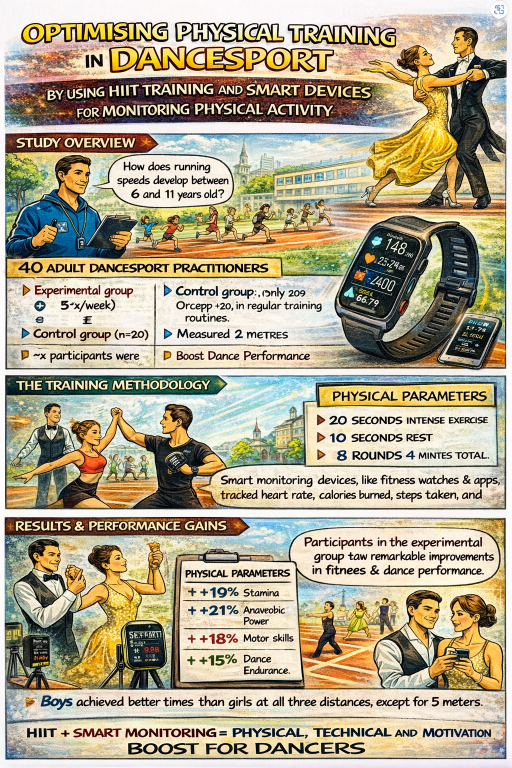
Abstract:This study investigates the effectiveness of High-Intensity Interval Training (HIIT), specifically for Tabata, combined with smart monitoring devices on adult dancesport practitioners' physical fitness and performance. The primary objective was to assess the impact of these interventions on key physical parameters and overall performance. Forty participants were divided into two groups: an experimental group (n=20) that engaged in Tabata training three times a week while using smart devices to monitor their activity, and a control group (n=20) that continued with their regular training routines. The experimental group showed significant improvements in aerobic and anaerobic capacity, agility, and overall motor performance throughout the study. These enhancements were measured using standardized physical assessments and the Mann-Whitney non-parametric test, confirming statistically significant progress in the experimental group compared to the control group. Integrating smart devices was crucial in maintaining and enhancing participant motivation, providing real-time feedback, facilitating goal-setting, and allowing for progress tracking, contributing to increased responsibility and engagement in physical activity. Participant feedback highlighted the motivational benefits of smart technology, consistent with existing literature. The immediate performance data and synchronization with fitness apps enhanced the training experience, promoting continuous improvement and long-term commitment. The findings indicate that combining Tabata training with smart monitoring devices effectively improves the physical and technical performance of adult dancesport practitioners. This dual approach enhances physical conditioning and also ensures training relevance to the specific demands of dancesport, maintaining both aesthetic and functional performance aspects. In conclusion, using HIIT, specifically Tabata, alongside smart devices, offers a powerful methodology for optimizing dancers' physical preparation. Future research should investigate the long-term impacts of these training programs, integrate different forms of HIIT, and include a broader participant demographic to validate and expand these findings.
Disclaimer: This image was generated using artificial intelligence and may contain inaccuracies or inconsistencies. It is provided solely as a visual aid to facilitate the rapid understanding of the key ideas presented in this article. Our editorial team conducts ongoing reviews of AI-generated images and will correct or replace them whenever an error or discrepancy is identified or reported.
Authors:
Dan
Octavian Rusu
, Cristian
Delcea
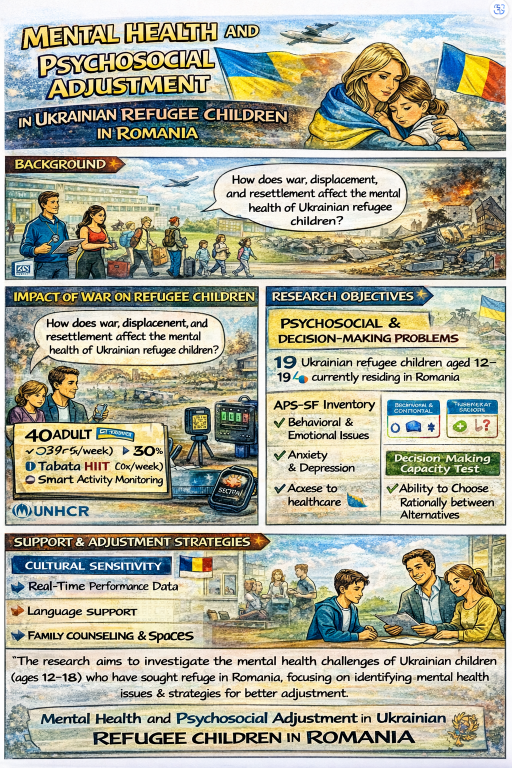
Abstract:In the context of Russia's invasion of Ukraine in February 2022, over 6.6 million people have sought refuge in Europe, with more than 1.6 million Ukrainians having arrived in Romania since the beginning of the conflict. Among them, approximately 83,748 individuals are still in the country, of which 30% are children (UNICEF, 2023). The exposure of children to war and military aggression can be viewed as a violation of their fundamental human rights. The impact of war and displacement can have negative consequences on young people, given that this stage is crucial for their physical, mental, and neural growth. Because of the distinct developmental phase they are in, children who are refugees of war are more vulnerable to experiencing psychological disorders. Within the context of forced migration, child refugees frequently encounter challenges related to isolation, community fragmentation, and cultural displacement. These circumstances often create substantial obstacles for children and young people seeking access to healthcare and mental health services. These hurdles encompass language barriers, mental health stigma, cultural beliefs surrounding mental well-being, and healthcare professionals lacking the necessary skills to effectively engage across diverse cultural contexts. Children and adolescents who have suffered significant war-related trauma may be handling these experiences in ways that complicate or impact their current self-image or their views of others and the surrounding world.
This research aims to investigate the occurrence of mental health problems that interfere with social adaptation among young refugees who have recently resettled from Ukraine to Romania, in the municipality of Cluj-Napoca. The research data will be collected using the APS-SF tool for assessing psychopathology and problems interfering with psychosocial adjustment in adolescents aged 12-18 years and the Decision-Making Capacity Test that measures decision-making ability i.e. the ability to choose rationally between several available alternatives. The research targets 19 Ukrainian children and adolescents who are currently refugees in Cluj-Napoca, aged between 12 and 18 years old.
Disclaimer: This image was generated using artificial intelligence and may contain inaccuracies or inconsistencies. It is provided solely as a visual aid to facilitate the rapid understanding of the key ideas presented in this article. Our editorial team conducts ongoing reviews of AI-generated images and will correct or replace them whenever an error or discrepancy is identified or reported.
Authors:
Ebba
Ossiannilsson
, Fahriye
Altinay
, Rustam
Shadiev
, Phillip
Benachour
, Muhammet
Berigel
, Gokmen
Dagli
, Ahmet
Ayaz
, Betul
Yikici
, Zehra
Altinay
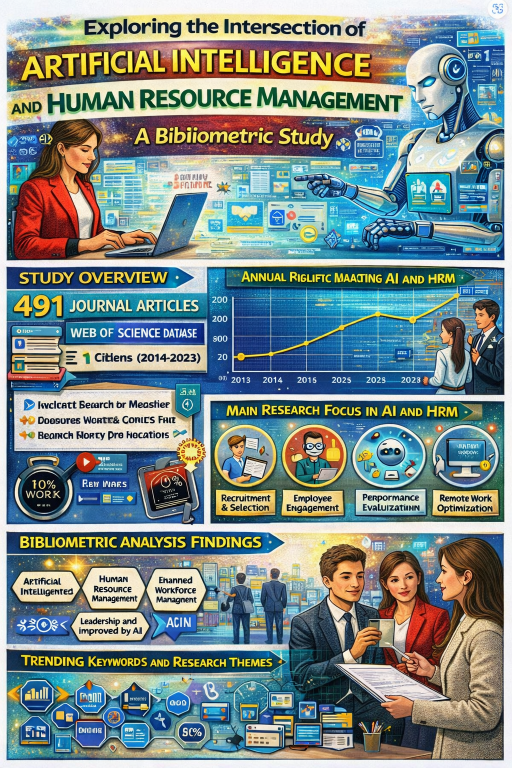
Abstract:Artificial Intelligence presents promising opportunities to improve efficiency, enhance decision-making, and boost employee engagement within human resource management. This study explores the intersection of Artificial Intelligence and Human Resource Management through an in-depth bibliometric analysis, offering a comprehensive overview of research trends and advancements over the past decade. Drawing from the Web of Science database, this research examined 491 journal articles published from 2014 to 2023. AI applications in Human Resource Management have been particularly valuable during the COVID-19 pandemic, aiding healthcare professionals, facilitating remote work, and optimizing workforce management under challenging conditions. Implementing Artificial Intelligence in Human Resource Management leadership management and information management has significantly improved organizational processes and outcomes. The study concludes that ongoing advancements in Artificial Intelligence technology will continue to enhance Artificial Intelligence practices, leading to a more adaptable, responsive, and efficient workforce capable of addressing future challenges.
Disclaimer: This image was generated using artificial intelligence and may contain inaccuracies or inconsistencies. It is provided solely as a visual aid to facilitate the rapid understanding of the key ideas presented in this article. Our editorial team conducts ongoing reviews of AI-generated images and will correct or replace them whenever an error or discrepancy is identified or reported.
Authors:
George
Cătălin Moroșan
, Andreea
Cătălina Moroșan
, Romeo
Dobrin
, Irina
Săcuiu
, Florin
Dumitru Petrariu
, Ana-Maria
Dumitrescu
, Liviu
Ciprian Gavril
, Anca
Sava
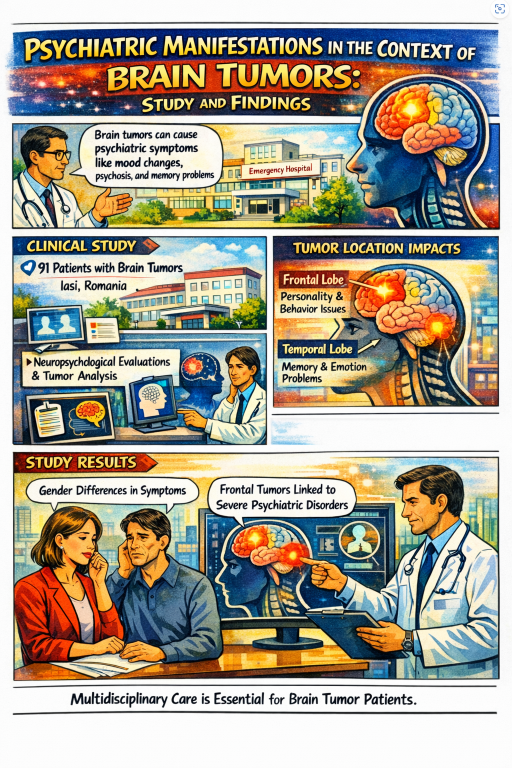
Abstract:The increase in the frequency of psychiatric disorders is increasingly observed in patients diagnosed with cancer. Brain tumors are often associated with psychiatric symptoms such as mood symptoms, psychosis, memory problems, personality changes, anxiety, or depression. This study investigates what types of manifestations are present in patients with brain tumors, highlighting the connection with the location of the tumor. We conducted a clinical study on a sample of 91 patients diagnosed with primary brain tumors, hospitalized at the "Prof. Dr. Nicolae Oblu Emergency Clinical Hospital," Iași, Romania, between 2011 and 2023. Demographic data, type, and location of tumors were collected from the patients' medical records. Patients underwent detailed neuropsychological evaluations to identify psychiatric manifestations. Statistical analyses were performed to determine the prevalence of these manifestations and the correlations between tumor location and the severity of psychiatric symptoms. Our results show a significant prevalence of psychiatric disorders among patients with brain tumors, with notable differences between genders and types of manifestations. Organic personality disorders and mixed anxiety and depression disorders were among the most common. Additionally, a correlation was observed between the location of tumors in the frontal lobe and the severity of psychiatric symptoms. Conclusions: The research highlights the increased frequency of psychiatric symptoms in patients with brain tumors, especially when the tumor is located in the frontal lobe. These observations emphasize the relevance of a multidisciplinary approach in the management and treatment of these patients, including both cancer therapy and psychiatric support services.
Disclaimer: This image was generated using artificial intelligence and may contain inaccuracies or inconsistencies. It is provided solely as a visual aid to facilitate the rapid understanding of the key ideas presented in this article. Our editorial team conducts ongoing reviews of AI-generated images and will correct or replace them whenever an error or discrepancy is identified or reported.
Authors:
Romulus
Dan Nicoară
, Ana
Maria Tegzeșiu
, Codruța
Alina Popescu
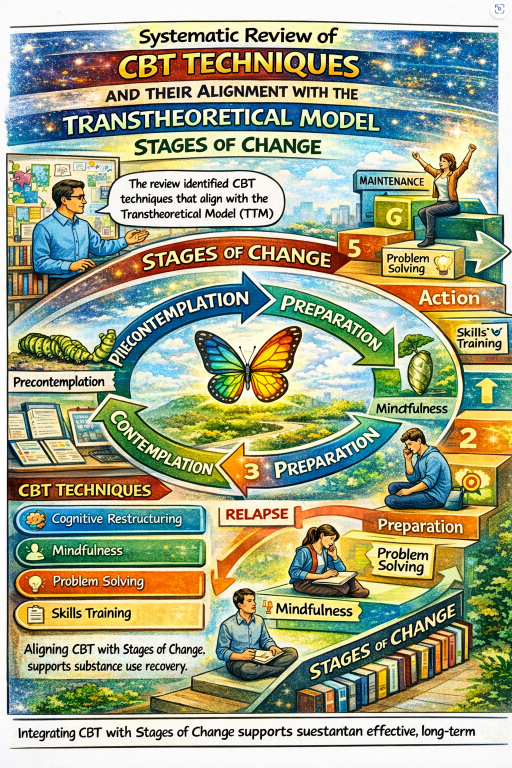
Abstract:Cognitive-behavioral therapy (CBT) encompasses a diverse range of techniques designed to facilitate behavior change. Evaluation of these techniques through the transtheoretical model (TTM) may provide insight into their effectiveness and the progressive nature of change in individuals with substance use disorders and the gradual nature of change in individuals with substance use disorders. This systematic review aims to identify and evaluate the methods and techniques used in CBT and examine their relationship to the stages of change as defined by the Transtheoretical Model (TTM). A comprehensive search of databases such as PubMed, PsycINFO, and the Cochrane Library was conducted, focusing on studies published between 2000 and 2023. The review focused on peer-reviewed articles that examined CBT (cognitive behavioral therapy) techniques and their alignment with stages of transformation. especially the transtheoretical model (TTM), in the context of substance use disorders. The review identified several CBT techniques, including cognitive restructuring, mindfulness, problem solving, and skills training. These techniques have been found to align with the various stages of the TTM and effectively promote progression through the stages of change, particularly in facilitating the transition from contemplation to preparation and from action to maintenance. The integration of CBT techniques with the TTM stages of change offers a structured approach to behavioral modification in substance use disorders. Understanding and applying these techniques within the TTM framework can enhance the efficacy of interventions.
Disclaimer: This image was generated using artificial intelligence and may contain inaccuracies or inconsistencies. It is provided solely as a visual aid to facilitate the rapid understanding of the key ideas presented in this article. Our editorial team conducts ongoing reviews of AI-generated images and will correct or replace them whenever an error or discrepancy is identified or reported.
Authors:
Godwin
Aigbokhai
, Nesrin
M Bahcelerli
, Salim
Akyurek
, Mehmet
Altinay
, Ainur
Kenebayeva
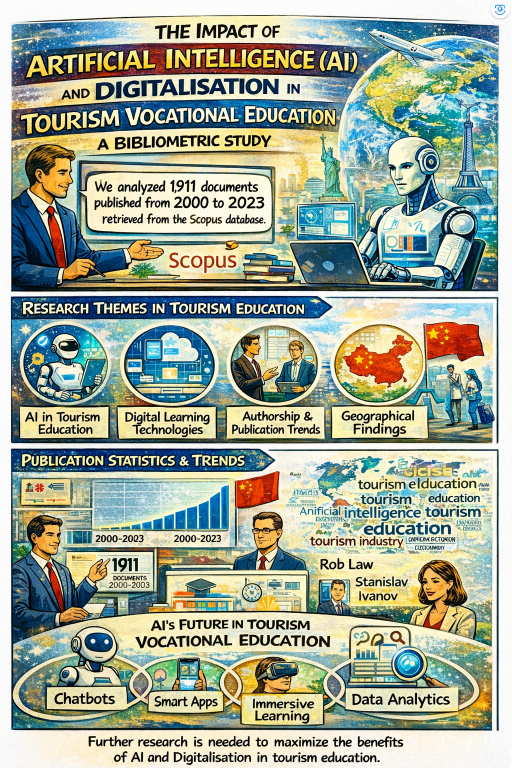
Abstract:Artificial intelligence, digitalisation, and other variants of modern technology have been a central topics in the tourism sector in recent times. A bibliometric study investigated the impact of artificial intelligence and digitalisation in tourism education. a total of 1,911 published documents between years 2000 to 2023 were retrieved from the Scopus database. The study highlighted the evolving volume of studies on artificial intelligence applications in tourism education and the tourism sector by considering, authors and authorship networks, date of publications, countries, journal publications, citation count, research themes, keywords, and keyword co-occurrence. This evolution in the citation count and number of publications over the years is a pointer to the increasing attention on artificial intelligence generally and then on its role in tourism education and by extension tourism industry. Beyond the dates and citation count, the study reveals countries with the most publications in line with the theme of the study. To this end, China was shown to have more publications emanating from there. In terms of authorship, "Law Rob" and Ivanov Stanislav were shown to have made noteworthy contributions to the topic of consideration. The co-occurrence analysis carried out to identify key theme areas showed notable word cloud formation for terms such as "artificial intelligence", "tourism" "education" "digitalisation" and "tourism industry". The study concludes that more studies will be required in other to get the most out of the integration of artificial intelligence and digitalisation in tourism education.
Disclaimer: This image was generated using artificial intelligence and may contain inaccuracies or inconsistencies. It is provided solely as a visual aid to facilitate the rapid understanding of the key ideas presented in this article. Our editorial team conducts ongoing reviews of AI-generated images and will correct or replace them whenever an error or discrepancy is identified or reported.
Authors:
Didem
Islek
, Huseyin
Bicen
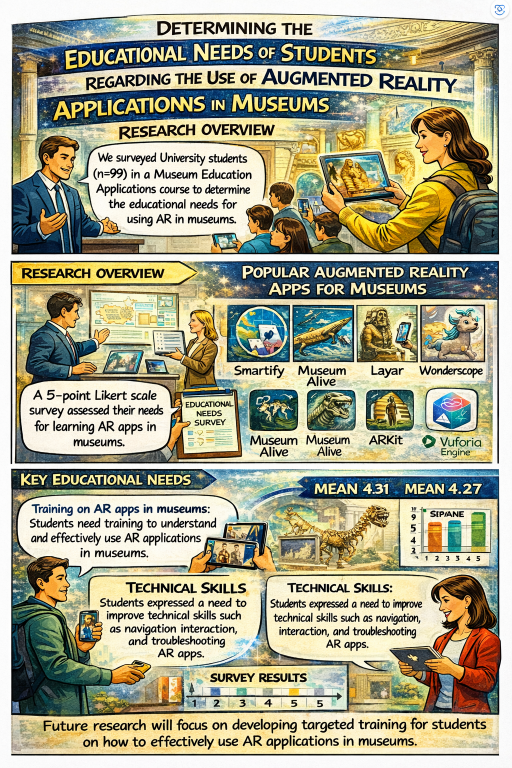
Abstract:In recent years, augmented reality (AR) applications, which have emerged as an indispensable technological element in many fields, have also begun to be used as an important learning tool in museum environments. It is seen that AR applications, which enable permanent learning especially by using technology, have positive effects on students. In this context, the aim of this research is to determine the educational needs of students regarding the use of augmented reality applications in museums. The research was conducted using the screening model from quantitative method designs. The study group consists of university students (n=99). In the spring semester of 2023-2024, students taking the museum education applications course and the Digital Literacies and Ethics course were determined from purposeful samples using the criterion sampling method. The quantitative data of the study were obtained with a 5-point Likert-type educational needs survey. Quantitative data were interpreted according to the mean score (MEAN) values in the distribution of the survey items. According to the research findings, students need training for the use of Smartify, Museum Alive, Layar, Wonderscope, ARLOOPA, ARKit, Vuforia Engine, ARCore applications. Based on these findings, in future studies, students will be asked to design augmented reality applications for museums by providing training on the relevant applications.
Disclaimer: This image was generated using artificial intelligence and may contain inaccuracies or inconsistencies. It is provided solely as a visual aid to facilitate the rapid understanding of the key ideas presented in this article. Our editorial team conducts ongoing reviews of AI-generated images and will correct or replace them whenever an error or discrepancy is identified or reported.
Authors:
Giorgiana
Violeta Vlăsceanu
, Nicolae
Tarbă
, Mihai
Lucian Voncilă
, Costin
Anton Boiangiu
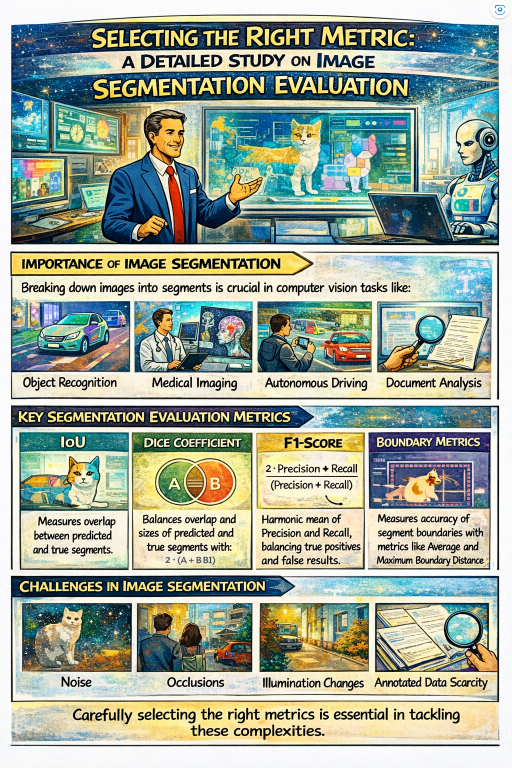
Abstract:Image segmentation is critical role in various computer vision tasks, such as object recognition, medical imaging, autonomous driving, and document analysis. To evaluate the performance of segmentation algorithms, various metrics have been developed, each providing insights into different aspects of segmentation accuracy, object completeness, and boundary precision. This paper presents a comprehensive review of the key evaluation metrics used in image segmentation, including popular metrics such as Intersection over Union, Dice Coefficient, F1-score, and boundary-based metrics like average and maximum boundary distance. We explore the taxonomy of evaluation techniques, distinguishing between supervised and unsupervised methods, and discuss the strengths, limitations, and applications of each metric. Furthermore, we address the challenges associated with image segmentation, including handling noise, occlusions, illumination variation, and the scarcity of annotated datasets for training. By offering a detailed analysis of evaluation metrics, this paper aims to guide researchers and practitioners in selecting appropriate metrics for specific tasks and improving algorithm performance through informed comparisons and parameter tuning.
Disclaimer: This image was generated using artificial intelligence and may contain inaccuracies or inconsistencies. It is provided solely as a visual aid to facilitate the rapid understanding of the key ideas presented in this article. Our editorial team conducts ongoing reviews of AI-generated images and will correct or replace them whenever an error or discrepancy is identified or reported.
Authors:
Bogdan
Novac
, Radu
Zara
, Alin
Ciobica
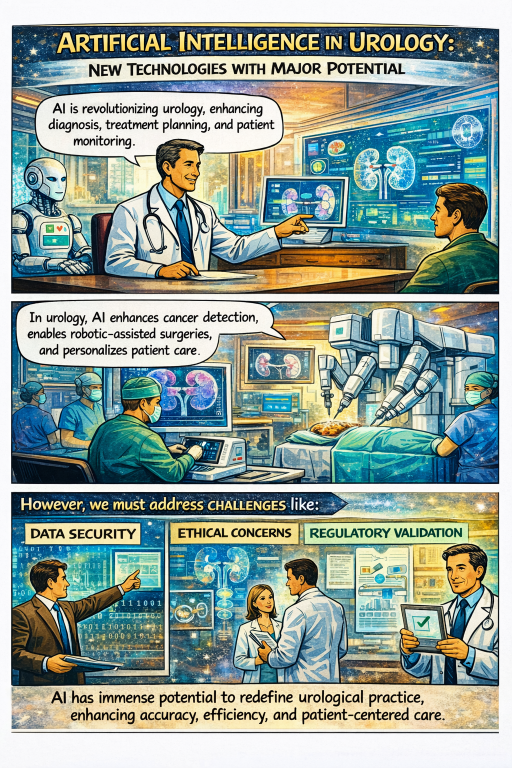
Abstract:The present paper described how Artificial intelligence (AI) is revolutionizing urology, with applications in diagnosis, treatment planning, and patient monitoring. This review highlights AI's role in key urological areas, such as cancer detection, robotic-assisted surgeries, and personalized patient care. These advancements significantly enhance clinical decision-making and treatment outcomes. Thus, we can clearly state that AI has immense potential to redefine urological practice, fostering accuracy, efficiency, and patient-centered care. However, the integration of these technologies requires addressing challenges like data security, ethical concerns, and regulatory validation. Future efforts should focus on developing robust, evidence-based AI tools to ensure their safe and effective deployment in clinical settings.
Disclaimer: This image was generated using artificial intelligence and may contain inaccuracies or inconsistencies. It is provided solely as a visual aid to facilitate the rapid understanding of the key ideas presented in this article. Our editorial team conducts ongoing reviews of AI-generated images and will correct or replace them whenever an error or discrepancy is identified or reported.
Authors:
Pınar
Akçaba
, Dervișe
Amca Toklu
, Umut
Akcil
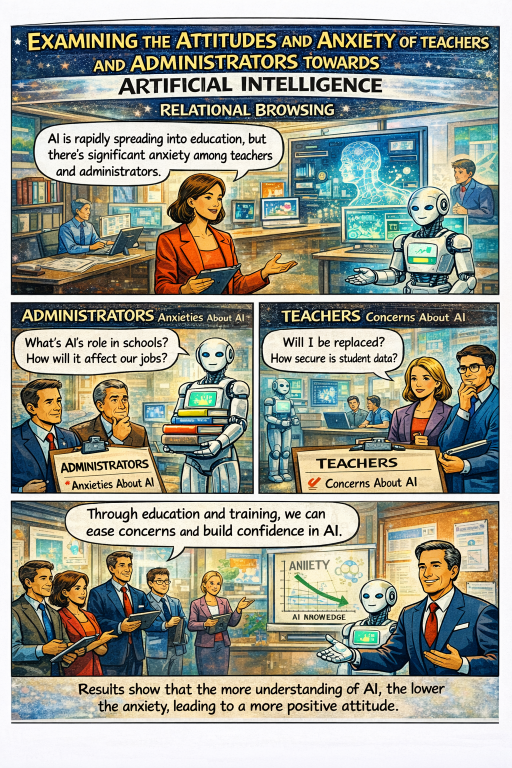
Abstract:The widespread use of artificial intelligence (AI) has been growing in various fields. While concerns about the use of basic computer technology still continue today, anxiety about a new technological revolution, artificial intelligence, has also surrounded the education sector. The cause of anxiety can be derived from knowledge, skills, and attitudes towards the use of technologies. In this study, the attitudes and anxiety levels of administrators and teachers in primary and secondary schools towards artificial intelligence and the relationship between anxiety and attitude scores were investigated. A total of 130 participants, consisting of administrators and teachers, participated in this study. In this context, survey models are one of the quantitative research methods. Artificial intelligence attitude and anxiety scales were used in accordance with the data collection method. When the research results are corrected, there is a negative relationship between the attitude variable towards artificial intelligence and the anxiety variable; as the attitude increases, the anxiety level decreases. It is seen that administrators and teachers experience significant anxiety.
Disclaimer: This image was generated using artificial intelligence and may contain inaccuracies or inconsistencies. It is provided solely as a visual aid to facilitate the rapid understanding of the key ideas presented in this article. Our editorial team conducts ongoing reviews of AI-generated images and will correct or replace them whenever an error or discrepancy is identified or reported.
Authors:
Viktorija
Piscalkiene
, Mohammad
Al-Wardat
, Daiva
Bartusiene
, Vaidas
Jotautis
, Evelina
Lamsodiene
, Irma
Spudyte
, Alina
Liepinaitiene
, Lijana
Navickiene
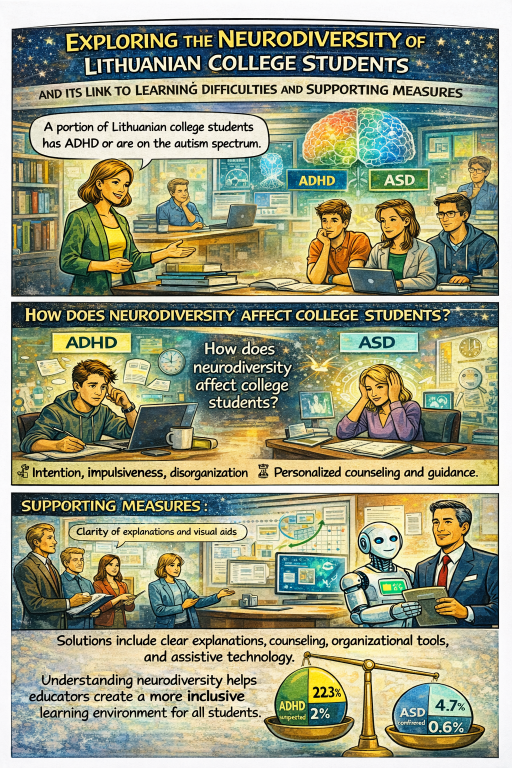
Abstract:Enhancing the inclusion of neurodiverse students in higher education institutions represents a significant and evolving challenge for educators. Recognizing learning difficulties and equipping teachers with the knowledge and skills to effectively work with and communicate with neuro-diverse students are crucial steps toward achieving social inclusion. Aim – to explore the neurodiversity of Lithuanian college students and its link to learning difficulties and supporting measures. Two developmental adult disorders were presented to illustrate the expression of neurodiversity including attention deficit hyperactivity disorder (ADHD), and autism spectrum disorder (ASD). A cross-sectional survey included 512 students from Kauno Kolegija Higher Education Institution. The survey assessed 39 attributes related to students’ learning difficulties and supporting measures. The nine scales, consisting of 39 items, demonstrated good internal consistency, with a Cronbach's alpha coefficient of 0.76. Due to the unequal and smaller sample sizes of attention deficit hyperactivity and autism spectrum disorders having students, non-parametric statistics (Kruskal-Wallis) were used. Spearman's correlation coefficient (R²) was used for correlation analysis. Results. Nearly a quarter of the students associate their neurodiversity with ADHD, with 22.3 % suspecting they have the condition and 2 % noted that this is confirmed. 4.7% of students consider themselves to be on the autism spectrum disorder (ASD), with 0.6% having a confirmed diagnosis. Statistically significant differences were identified in the relationship between ADHD and attention difficulties at home, college, sensory sensitivity and specific learning difficulties (p ≤ 0.05). ADHD and ASS suspected of having students tend to have lower grade point average (GPAs). Students who suspect or confirm having ADHD express a higher preference for organizational tools compared to those without ADHD, with a significant difference (p ≤ 0.05). Preferences for explanations and illustrations are higher among those suspecting ADHD (p ≤ 0.05). The analysis of expectations from lecturers and organization concerning ASD shows minimal variation among groups (p≥0.05). Conclusions. Neurodiversity among students is a relevant phenomenon that is associated with learning difficulties that interfere with achieving good learning outcomes. However, the role of the teacher and organization is exclusively relevant for the ADHD student group. For ASD students and neurotypical students, universal approaches are appropriate.
Disclaimer: This image was generated using artificial intelligence and may contain inaccuracies or inconsistencies. It is provided solely as a visual aid to facilitate the rapid understanding of the key ideas presented in this article. Our editorial team conducts ongoing reviews of AI-generated images and will correct or replace them whenever an error or discrepancy is identified or reported.
Authors:
Lorenzo
Magnani
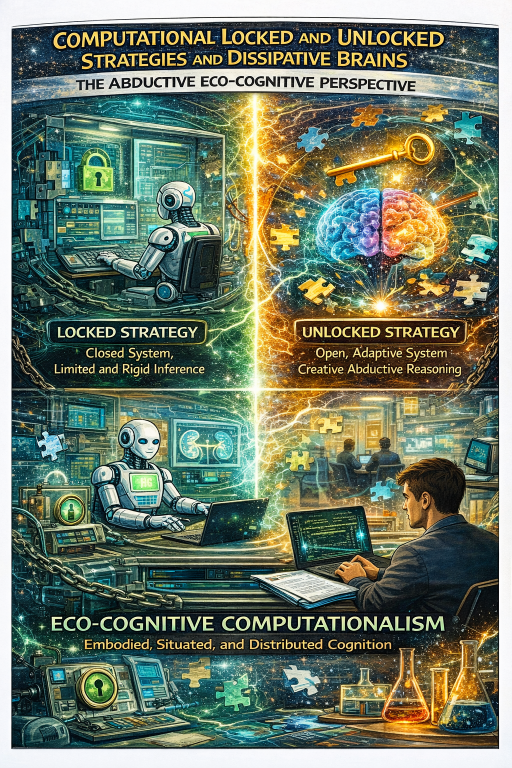
Abstract:Eco-cognitive computationalism is a cognitive science perspective that views computing in context, focusing on embodied, situated, and distributed cognition. It emphasizes the role of Turing in the development of the Logical Universal Machine and the concept of machines as domesticated ignorant entities. This perspective explains how machines can be dynamically active in distributed physical entities, allowing data to be encoded and decoded for appropriate results. In this perspective, we can clearly see that the concept of computation evolves over time due to historical and contextual factors, and it allows for the emergence of new types of computations that exploit new substrates. Taking advantage of this eco-cognitive framework I will also illustrate the concepts of "locked and unlocked strategies in deep learning systems, indicating different inference routines for creative results. Locked abductive strategies are characterized by poor hypothetical creative cognition due to the lack of what I call eco-cognitive openness, while unlocked human cognition involves higher kinds of creative abductive reasoning. This special kind of openness is physically rooted in the fundamental character of the human brain as an open system constantly coupled with the environment (that is an open or dissipative system): its activity is the uninterrupted attempt to achieve the equilibrium with the environment in which it is embedded, and this interplay can never be switched off without producing severe damage to the brain. Brain cannot be conceived as deprived of its physical quintessence which is its openness. In the brain, contrary to the computational case, ordering is not derived from the outside thanks to what I have called in a recent book computational domestication of ignorant entities, but it is the direct product of an internal open dynamical process of the system.
Disclaimer: This image was generated using artificial intelligence and may contain inaccuracies or inconsistencies. It is provided solely as a visual aid to facilitate the rapid understanding of the key ideas presented in this article. Our editorial team conducts ongoing reviews of AI-generated images and will correct or replace them whenever an error or discrepancy is identified or reported.
Authors:
Adriana
Climescu-Haulica
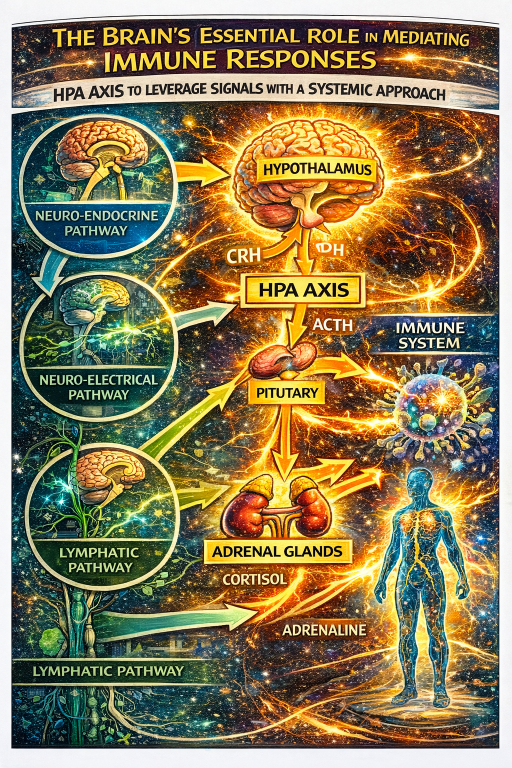
Abstract:While the role of the brain parts on mediating immune response is largely recognized, the neuroimmune pathways are difficult to be explored so they are still poorly understood. The animal knockout models are not always adapted to study the human biology. Because human neuroscience is very sensitive to the psychology, an appropriate way to federate various data and experiments is computational neuroscience. From this perspective our paper introduces an investigation methodology combining a complex landscape of biological signals: neuro-endocrine, lymphatic and neuro-electrical propagation. Having a hierachical HPA axis modelâ as pivotal element of study, we show that previous results about the modulation of the immune response by the HPA axis obtained for murine models can be scrutinized using 'in silico' human models. This provide a new systemic computational schema to investigate neuroscience paradigms.