BRAIN. Broad Research in Artificial Intelligence and Neuroscience, Volume 16, Issue 3, September 2025
This issue brings together a diverse collection of articles spanning:- AI applications in medicine and beyond- Neuroscience- Psychology- Psychiatry The contributions come from an outstanding international community of researchers, with a strong presence from Romania and Ukraine, and valuable input from Lithuania, Israel, Italy, North Cyprus, Greece, United Kingdom, Mexico, Republic of Moldova, Somalia, Bulgaria, China, India, Australia, and the Czech Republic.
Disclaimer: These images were generated using artificial intelligence and may contain inaccuracies or inconsistencies.
They are provided solely as a visual aid to facilitate the rapid understanding of the key ideas presented
in these article. Our editorial team conducts ongoing reviews of AI-generated images and will correct
or replace them whenever an error or discrepancy is identified or reported.
Authors:
Bogdan
Patrut
Abstract:
BRAIN-Broad Research in Artificial Intelligence and Neuroscience aims to create links between researchers from apparently different scientific fields, such as Computer Science and Neurology. In fact, many topics, such as Artificial Intelligence, Cognitive Sciences, and Neurosciences, can intersect in the study of the brain and its intelligence functions. Our journal contains peer-reviewed articles. These should be original and unpublished works by the authors. The peer review process is conducted anonymously, with reviewers being well-recognised scientists from our scientific board, as well as independent experts. Some innovative young researchers from around the world had the idea to edit and publish in the BRAIN journal in order to make an agora of an interdisciplinary study of the brain. Young scientists and seniors in artificial intelligence, cognitive sciences, and neurology fields are expected to publish their original works in our journal. BRAIN Journal is an open-source journal, dedicated to promoting the latest scientific news in the field of multidisciplinary studies of the brain, consciousness, and their connection with artificial intelligence. BRAIN Journal supports research and novelty in health, medicine, and the life sciences.
AI in Neuroscience and Beyond
Disclaimer: This image was generated using artificial intelligence and may contain inaccuracies or inconsistencies.
It is provided solely as a visual aid to facilitate the rapid understanding of the key ideas presented
in this article. Our editorial team conducts ongoing reviews of AI-generated images and will correct
or replace them whenever an error or discrepancy is identified or reported.
Authors:
Maria
Diana Focșa
, Radu
Lefter
, Mihaela
Tomaziu-Todosia
, Bogdan
Novac
, Otilia
Novac
, Ecaterina
Tomaziu-Todosia Anton
Abstract:
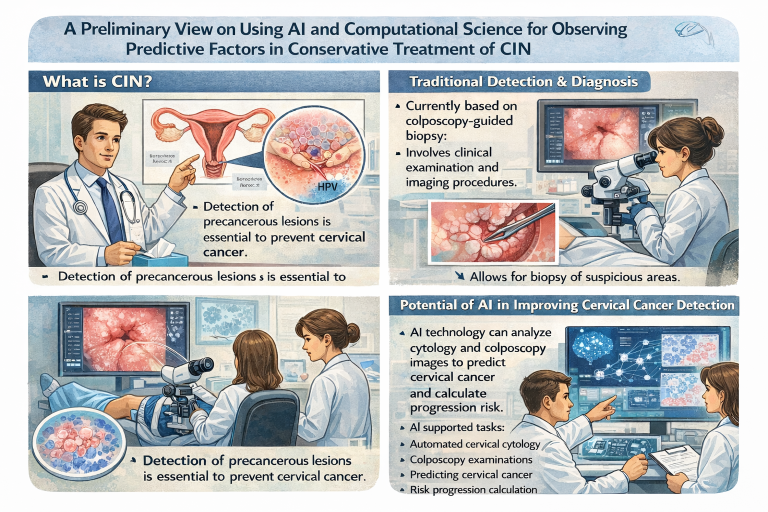
Cervical intraepithelial neoplasia (CIN) represents a range of precancerous lesions, with abnormal cell growth on the epithelium of the cervix, the lower part of the uterus that connects to the vagina caused almost entirely by human papillomavirus (HPV). Detection and diagnosis of cervical cancer, currently based on colposcopy-guided biopsy involving clinical examination and imaging procedures, will most certainly benefit from the application of AI-assisted technology and AI algorithms in the image analysis, for automated cervical cytology, colposcopy examinations, predicting the cervical cancer, and the progression of risk calculation.
Disclaimer: This image was generated using artificial intelligence and may contain inaccuracies or inconsistencies.
It is provided solely as a visual aid to facilitate the rapid understanding of the key ideas presented
in this article. Our editorial team conducts ongoing reviews of AI-generated images and will correct
or replace them whenever an error or discrepancy is identified or reported.
Authors:
Miroslav
Galabov
, Tihomir
Stefanov
, Milena
Stefanova
, Silviya
Varbanova
Abstract:
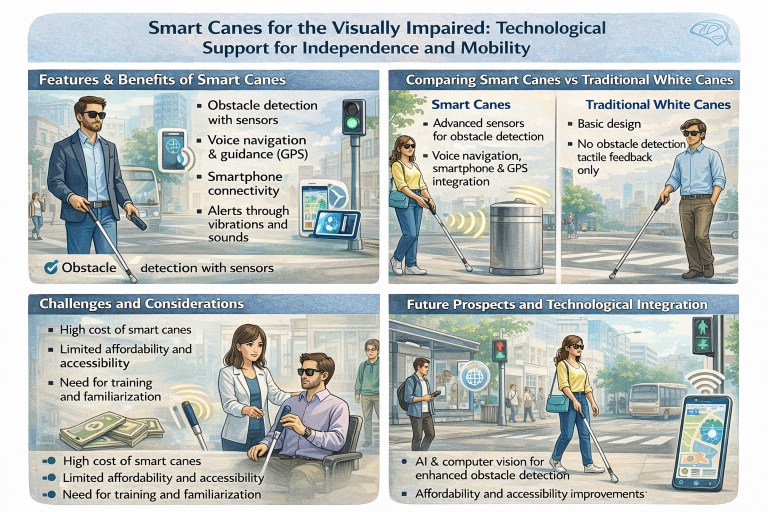
Smart canes for the visually impaired represent a significant innovation in assistive technologies aimed at enhancing mobility, safety, and independence. This article provides a systematic overview of the main features, hardware and software components, and functionalities of modern models such as WeWALK and SmartCane. It analyses the advantages of smart canes over the traditional white cane, including obstacle detection capabilities, voice navigation, and smartphone connectivity. Key challenges are also discussed, such as high cost, limited accessibility, and the need for user training. The article outlines future development prospects through the integration of artificial intelligence, computer vision, and compatibility with smart city infrastructure. Ultimately, smart canes are presented not merely as technical tools, but as instruments of social inclusion and empowerment for individuals with special needs.
Disclaimer: This image was generated using artificial intelligence and may contain inaccuracies or inconsistencies.
It is provided solely as a visual aid to facilitate the rapid understanding of the key ideas presented
in this article. Our editorial team conducts ongoing reviews of AI-generated images and will correct
or replace them whenever an error or discrepancy is identified or reported.
Authors:
Andrii
Drobin
, Inna
Zarishniak
, Oleksandra
Sharan
, Viktor
Shakotko
, Yuliia
Kolisnyk-Humeniuk
, Nadiia
Opushko
, Borys
Maksymchuk
Abstract:
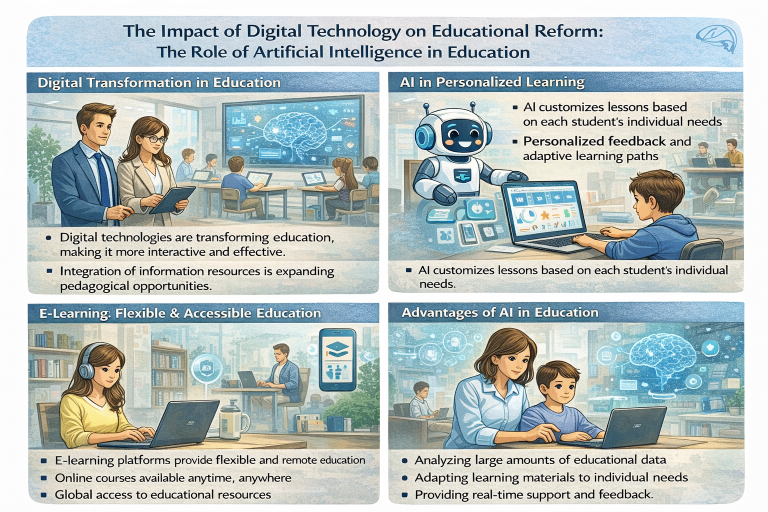
The significance of this study lies in the inevitability with which the challenges of digitalisation have impacted the educational sector. As a consequence of the globalising tendencies characteristic of postmodern society, technologies facilitating the integration of information resources have increasingly permeated educational systems. Within the context of postmodernism, a prevailing global trend in education is the transition of pedagogical practices to a technologically advanced framework, necessitating the systematic incorporation of information technologies. The vector of change in education points to the need to expand the scope of innovation. In today's rapidly evolving world, education is undergoing significant changes influenced by digital technologies. This article explores how new technologies, in particular artificial intelligence, are transforming traditional teaching methods, making them more interactive, effective, and accessible. The author analyses the advantages of personalised learning, which allows to adapt the educational process to the individual needs of each student. In addition, the role of e-learning in ensuring flexibility and accessibility of education is discussed. Explored the potential of artificial intelligence in education, its ability to analyse large amounts of data, adapt learning materials, and provide individualised support to students.
Disclaimer: This image was generated using artificial intelligence and may contain inaccuracies or inconsistencies.
It is provided solely as a visual aid to facilitate the rapid understanding of the key ideas presented
in this article. Our editorial team conducts ongoing reviews of AI-generated images and will correct
or replace them whenever an error or discrepancy is identified or reported.
Authors:
Fahriye
Altinay
, Rustam
Shadiev
, Gokmen
Dagli
, Narzikul
Shadiev
, Asror
Muhamedov
, Nesrin
M. Bahçelerli
, Zehra
Altinay
Abstract:
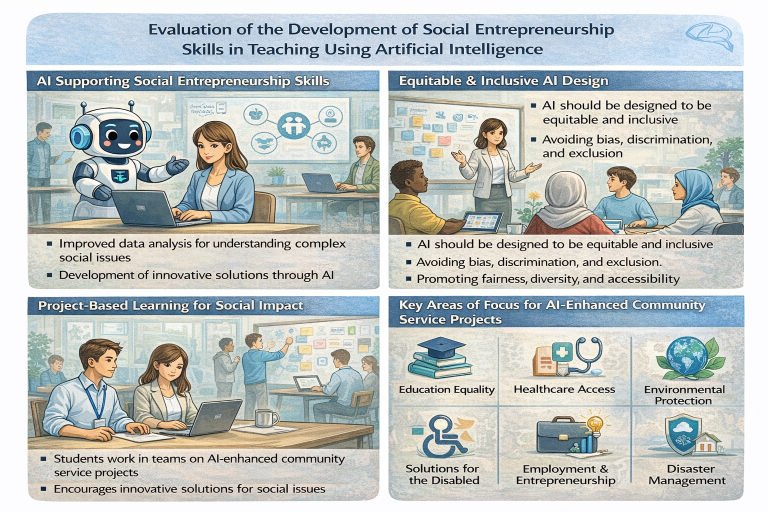
The aim of this study is to reveal how the social entrepreneurship skills of students are developed in education using artificial intelligence, according to the opinions of university students. Qualitative research methods were also used in the research. The qualitative study group of the research was formed with a total of 190 education faculty students in the February 2025 period. The students who participated in the study were selected according to the purposive random sampling method while forming the study group. According to the opinions of the students, it is understood from the participant opinions that artificial intelligence training enables social entrepreneurs to produce innovative solutions to social problems by providing data analysis, problem solving, and automation skills. In addition to these, it can be said according to the participants' opinions that artificial intelligence training enables students to be more productive and provides many solutions to provide better communication. It is understood from the participant opinions that artificial intelligence training enables social entrepreneurs to produce innovative solutions to social problems, by providing data analysis, problem solving, and automation skills. According to the participant views, it is understood that artificial intelligence should be designed in a way that does not lead to discrimination, prejudice, or exclusion of all people during its use in education. It has been concluded that more projects should be carried out within the scope of community service projects in artificial intelligence-supported education, especially on equality in education, health services, solutions for the disabled, environmental protection, employment and entrepreneurship, and disaster management.
Disclaimer: This image was generated using artificial intelligence and may contain inaccuracies or inconsistencies.
It is provided solely as a visual aid to facilitate the rapid understanding of the key ideas presented
in this article. Our editorial team conducts ongoing reviews of AI-generated images and will correct
or replace them whenever an error or discrepancy is identified or reported.
Authors:
Alina
Drokina
, Iryna
Upatova
, Tеtiana
Shanskova
, Viktoriia
Pavelko
, Alina
Predyk
, Tetiana
Mukhina
Abstract:
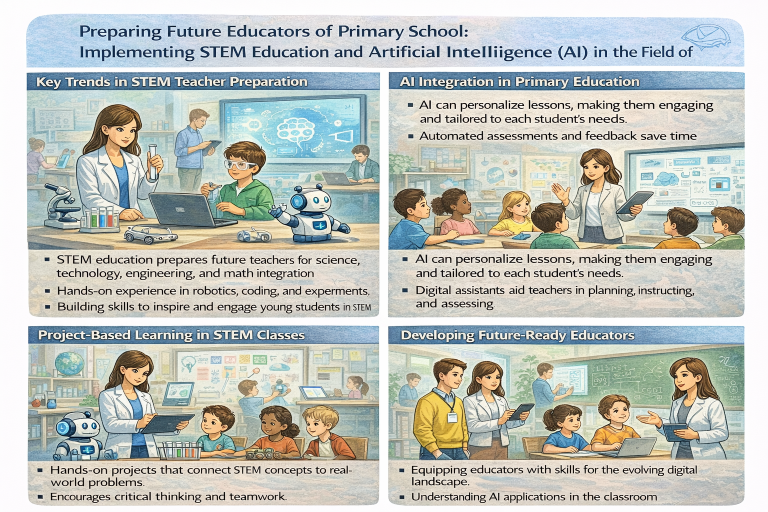
This article examines ways of preparing future educators to work within the digital transformation context in modern schools. Our authors explore the role of STEM technology and the use of Artificial Intelligence (AI) in developing professional competencies among undergraduate education students, which are essential for working in today’s schools. The study highlights key trends in higher pedagogical education, which are emphasised through the STEM approach application. The сontemporary school is viewed as a space that nurture individuals prepared to acquire an integrated knowledge system and apply it within a dynamically changing social and educational environment. The article demonstrates the effectiveness of applying the STEM approach and the use of Artificial Intelligence (AI) in primary education, which is associated with the real synergy between different fields of knowledge in the educational process. We believe that teachers can incorporate project-based learning plans into STEM lessons. Technologies as modern teaching tools expand students’ professional opportunities in the job market, guiding them towards designing and exploring scientific and technical activities. This article defines the role of the education of STEM in the modern world, emphasises the importance on preparing teaching staff for STEM implementation, and explores the significance of introducing STEM education in primary school. Modern AI capabilities in the context of primary education are analysed, including personalised learning, automated assessment, digital assistants, and intelligent decision support systems.
Disclaimer: This image was generated using artificial intelligence and may contain inaccuracies or inconsistencies.
It is provided solely as a visual aid to facilitate the rapid understanding of the key ideas presented
in this article. Our editorial team conducts ongoing reviews of AI-generated images and will correct
or replace them whenever an error or discrepancy is identified or reported.
Authors:
Sulkhan
Khutsishvili
, Mzia
Kiknadze
, Zurab
Gasitashvili
, Taliko
Zhvania
, Lily
Petriashvili
Abstract:
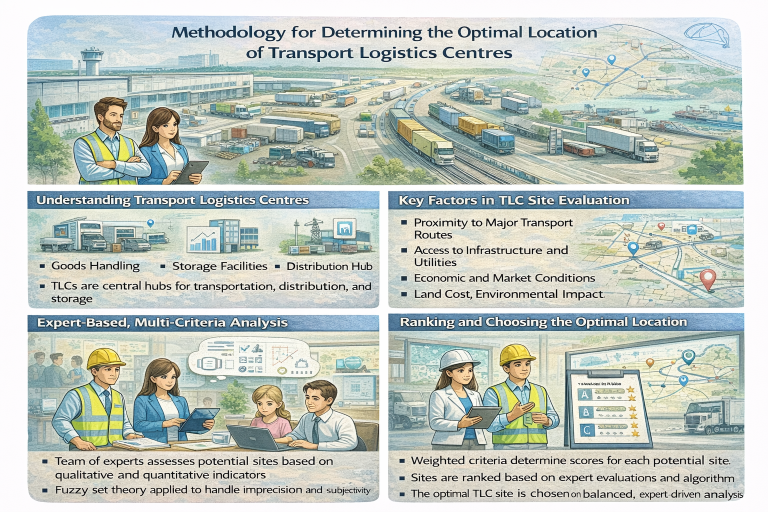
The Transport Logistics Centre is a key element of the infrastructure of the transit logistics corridor. Their quantity and efficient functioning largely determine the level of competitiveness of the transit corridor.The paper discusses the key areas of operation of the Transport Logistics Center (TLC), including its modern forms of organisation, classification criteria, and the tasks it aims to address. A multi-criteria expert approach for determining the location of the Transport Logistics Center (TLC) is proposed, based on a system of qualitative and quantitative evaluation indicators and the features of fuzzy set theory. The paper outlines the procedures for determining the agreed-upon activities of experts, as well as the algorithm for analysing and ranking alternative outcomes.
Disclaimer: This image was generated using artificial intelligence and may contain inaccuracies or inconsistencies.
It is provided solely as a visual aid to facilitate the rapid understanding of the key ideas presented
in this article. Our editorial team conducts ongoing reviews of AI-generated images and will correct
or replace them whenever an error or discrepancy is identified or reported.
Authors:
Paulina
Agova
, Donika
Valcheva
, Oleg
Asenov
Abstract:
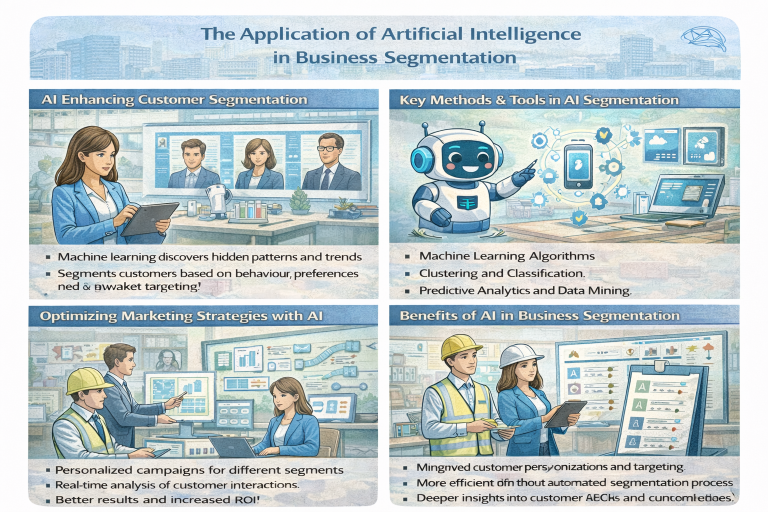
The application of artificial intelligence (AI) in business segmentation provides effective and innovative methods for analysing large data sets and automating customer segmentation processes. Artificial intelligence allows businesses to better understand what customers need, their preferences and behaviour, and to personalise approaches to different segments. Instead of traditional manual methods, AI uses machine learning algorithms to discover hidden patterns and trends in data. The report presents a deep investigation on the application of Artificial Intelligence in business segmentation. It discussed the basic methods and tools used in AI segmentation and the role of AI segmentation in optimisation of marketing strategies, providing new opportunities for personalisation, analysis, and automation.
Disclaimer: This image was generated using artificial intelligence and may contain inaccuracies or inconsistencies.
It is provided solely as a visual aid to facilitate the rapid understanding of the key ideas presented
in this article. Our editorial team conducts ongoing reviews of AI-generated images and will correct
or replace them whenever an error or discrepancy is identified or reported.
Authors:
Alexandar
Danailov
Abstract:
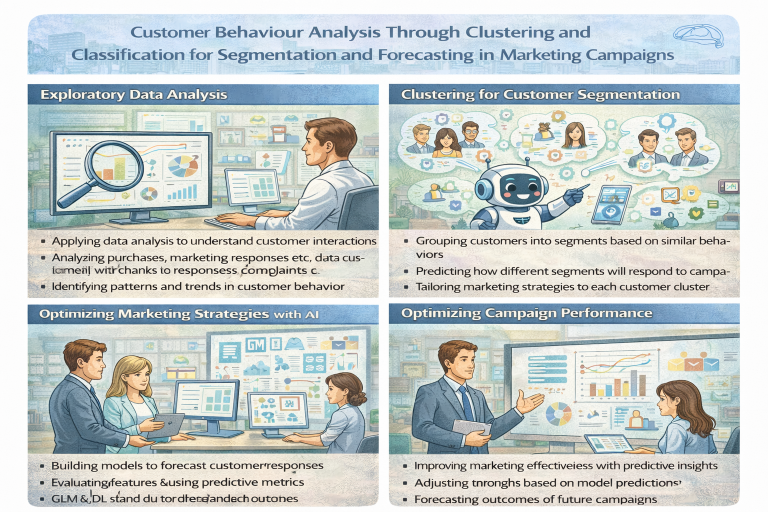
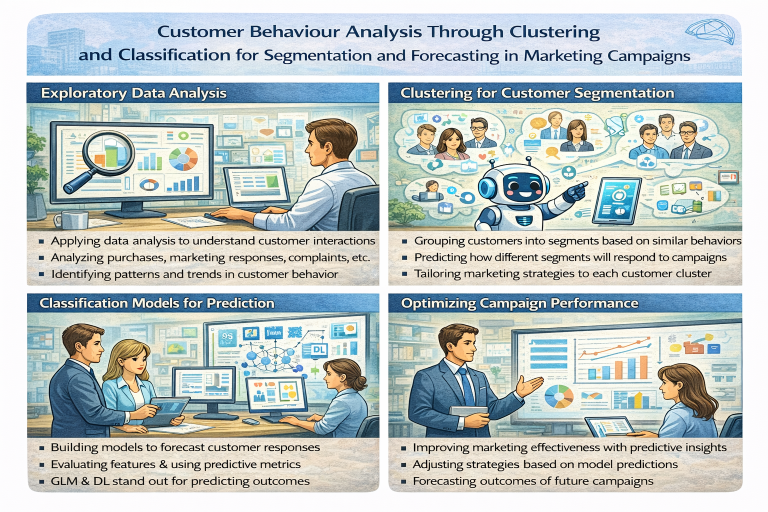
In this paper, the possibilities of extracting useful insights through data analysis using machine learning approaches are explored on a dataset focused on customer relationship management. Exploratory data analysis is applied to customers and their interactions, such as purchases, responses to marketing campaigns, and complaints. The detailed examination aims to assess the potential of using results from past marketing campaigns to predict customer reactions to future ones, thereby improving marketing effectiveness. To this end, a classification model is built to predict customer responses to the latest campaign. Evaluation metrics are calculated to assess the classification performance across different sets of selected features and classifiers, and the findings are summarized and discussed. Generalized Linear Model (GLM) and H2O Deep Learning (DL) models stood out as the best performers in the study.
Disclaimer: This image was generated using artificial intelligence and may contain inaccuracies or inconsistencies.
It is provided solely as a visual aid to facilitate the rapid understanding of the key ideas presented
in this article. Our editorial team conducts ongoing reviews of AI-generated images and will correct
or replace them whenever an error or discrepancy is identified or reported.
Authors:
Adriana
Manolică
, Olga
Bucătaru
, Cristina
Teodora Roman
, Patricea
Elena Bertea
, Alexandra
Raluca Jelea
Abstract:
The study aims to investigate the degree of acceptance of Artificial Intelligence Implications in Digital Marketing, from a consumer perspective. More specifically, the research proposed to examine the significant differences between Gen Z and Gen Y regarding the level of technology acceptance. The research follows the Technology Acceptance Model and aims to explore various aspects of consumer attitudes towards AI applications in digital marketing. The main objectives include examining the cognitive and emotional components of consumer attitudes, assessing perceived usefulness and perceived ease of use, analysing the intention to use AI applications, and evaluating the extent of actual usage. The study hypothesises that perceived usefulness positively influences the adoption of AI applications, while generational differences impact both attitude and intention to use AI technologies. The research has hypotheses which were firstly formulated and subsequently tested through quantitative research, using questionnaires to collect data from Gen Z and Gen Y respondents. The findings reveal that Gen Z demonstrates higher familiarity and willingness to engage with AI applications, while Gen Y expresses more concerns about data privacy and reliability. Additionally, the results confirm that perceived usefulness significantly influences the intention to adopt AI applications, whereas perceived ease of use does not show a notable difference between the generations.
Disclaimer: This image was generated using artificial intelligence and may contain inaccuracies or inconsistencies.
It is provided solely as a visual aid to facilitate the rapid understanding of the key ideas presented
in this article. Our editorial team conducts ongoing reviews of AI-generated images and will correct
or replace them whenever an error or discrepancy is identified or reported.
Authors:
Yuliia
Petrovska
, Alla
Popruzhna
, Oksana
Dzhendzhero
, Ervin
Miden
, Nykyta
Tomkov
, Volodymyr
Barakhta
Abstract:
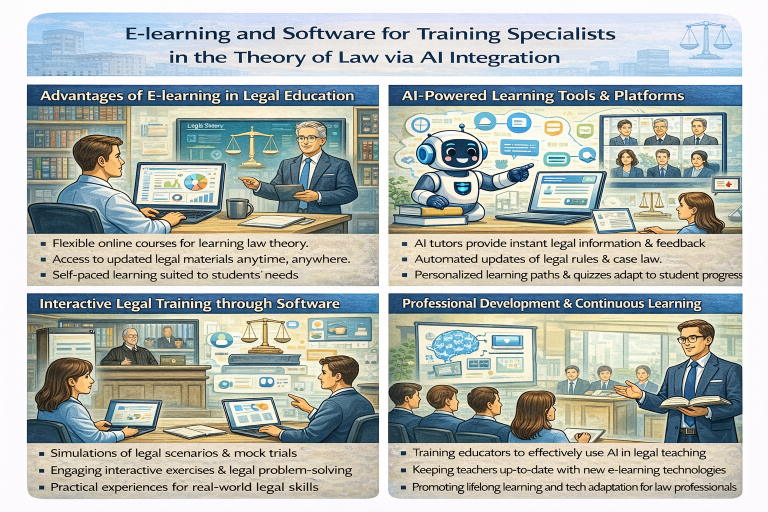
The article explores the impact of electronic learning and software applications on the training of law theory experts, with a specific emphasis on AI integration. It outlines the benefits and challenges of using digital technologies in legal education. The article also examines key elements of AI implementation. These include automating learning processes, updating educational materials, and personalising the learning experience. In addition, the article discusses how online platforms and software enhance the teaching of theoretical and practical aspects of law. These tools enable students to build skills through interactive exercises, legal scenario simulations, and mock trials. Finally, the article emphasises the importance of ongoing technological innovation in legal education. It also highlights the role of professional development for educators to effectively integrate innovative tools into their teaching practices.
Disclaimer: This image was generated using artificial intelligence and may contain inaccuracies or inconsistencies.
It is provided solely as a visual aid to facilitate the rapid understanding of the key ideas presented
in this article. Our editorial team conducts ongoing reviews of AI-generated images and will correct
or replace them whenever an error or discrepancy is identified or reported.
Authors:
Gabriela
Cristina Branoaea
Abstract:
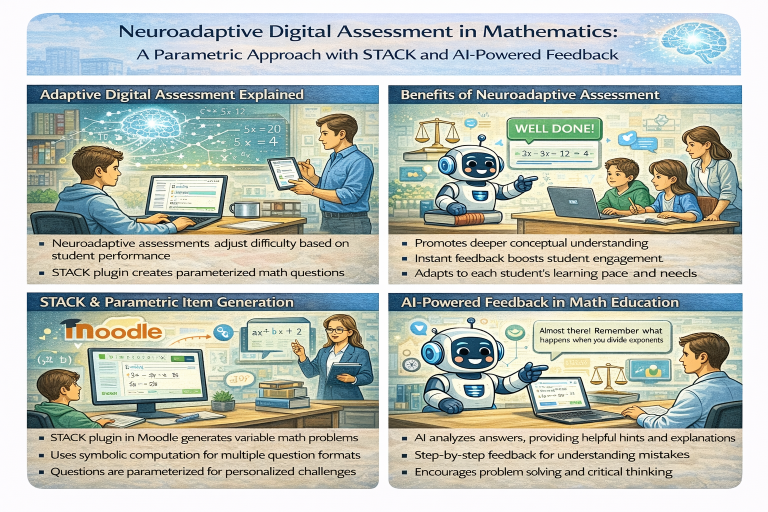
The intersection of neuroscience, artificial intelligence (AI), and education is driving a transformative shift in how assessment is conceptualized and delivered. This study presents a neuroadaptive assessment framework for middle school mathematics using the STACK (system for teaching and assessment using a computer algebra kernel) plugin in Moodle. By leveraging symbolic computation, parameterised item generation, and AI-compatible feedback systems, the approach enables scalable, personalised, and cognitively aligned testing environments. Through a quasi-experimental design involving two 8th-grade cohorts, we evaluate the cognitive and logistical benefits of parametric digital testing. Findings reveal enhanced conceptual understanding, increased student engagement, and reduced teacher workload. Additionally, the model aligns with principles of neuroplasticity, adaptive learning, and reinforcement feedback, establishing a neurodidactic foundation for future AI integration in education. This approach is consistent with theoretical principles of neuroplasticity and adaptive learning (Zull, 2002) and provides a scalable pathway toward AI-enhanced assessment.
Disclaimer: This image was generated using artificial intelligence and may contain inaccuracies or inconsistencies.
It is provided solely as a visual aid to facilitate the rapid understanding of the key ideas presented
in this article. Our editorial team conducts ongoing reviews of AI-generated images and will correct
or replace them whenever an error or discrepancy is identified or reported.
Authors:
R.
Sakthi Velammal
, A.
Leo
, J.
Macklin Abraham
, C.
Maria Fortuna
, Vinoth
Kumar
Abstract:
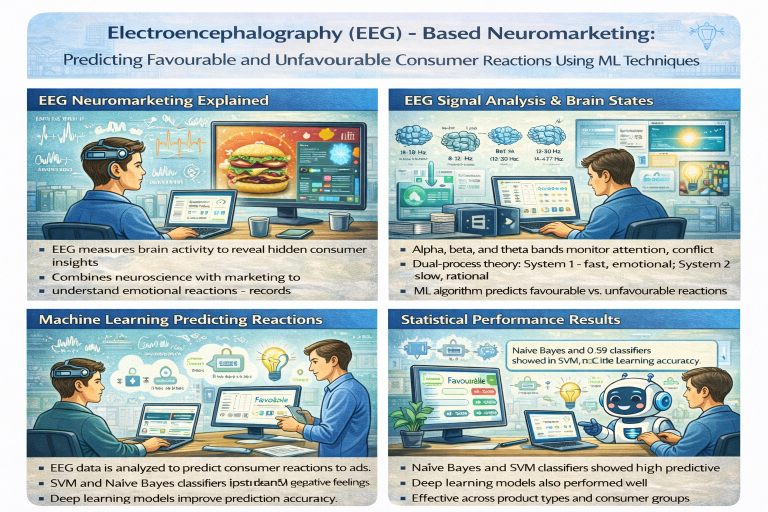
Neuromarketing is an emerging field that combines neuroscience with marketing to gain insights into unconscious consumer behaviour. Traditional methods like surveys often fail to capture real-time emotional and cognitive responses. To address this gap, this study employs EEG signal analysis to predict favourable and unfavourable consumer reactions to advertisements and products. The theoretical foundation is based on the dual-process theory, which distinguishes between fast, emotional decision-making (System 1), and slow, rational thinking (System 2). EEG markers such as alpha, beta, and theta bands are used to assess attention, engagement, and decision conflict. EEG data was collected using a single-channel Neurosky Mindwave headset from 14 participants aged 18–22. A total of 80 ads were shown, categorised by product and design type. Subject-dependent and subject-independent analyses were conducted. In the SD study, Naïve Bayes and SVM classifiers achieved a maximum accuracy of 0.62. In the SI analysis, SVM showed strong performance across product and gender-based classification. A deep learning model also produced comparable accuracy. These findings demonstrate the potential of EEG-based neuromarketing to provide deeper insights into consumer behaviour, with possible implications for both commercial and clinical applications.
Disclaimer: This image was generated using artificial intelligence and may contain inaccuracies or inconsistencies.
It is provided solely as a visual aid to facilitate the rapid understanding of the key ideas presented
in this article. Our editorial team conducts ongoing reviews of AI-generated images and will correct
or replace them whenever an error or discrepancy is identified or reported.
Authors:
Iustin
Zaieț
, Romulus
Dan Nicoară
, Carmen
Bianca Crivii
, Dinu
Iuliu Dumitrascu
, Alexandru
Florin Badea
, Răzvan
Crețeanu
, Adriana
Gabriela Filip
Abstract:
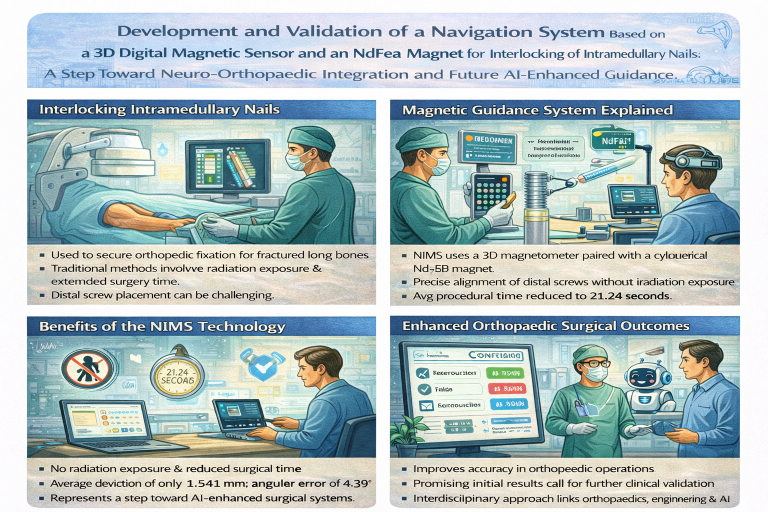
This study presents the Navigation Interlocking Magnetic System (NIMS), an innovative method for guiding distal locking screws in intramedullary osteosynthesis. Using a 3D digital magnetometer and a cylindrical NdFeB magnet, NIMS ensures precise alignment, significantly reducing operative time and eliminating radiation exposure. The system was rigorously tested, achieving an average procedural time of 21.24 seconds, with an average deviation of 1.541 mm and an angular error of 4.39 degrees. Although the results are promising, further improvements and additional clinical studies are needed to validate its efficiency in various orthopaedic applications. Due to these characteristics, NIMS represents a promising solution for optimising orthopaedic surgical interventions.Beyond its technical implementation, this work demonstrates an interdisciplinary strategy that connects clinical orthopaedics, computer science, and biomedical engineering. NIMS fits into the larger trend of intelligent surgical systems due to its combination of hardware components, real-time data processing, and procedural precision. Systems like NIMS may evolve into adaptive, artificial intelligence (AI)-driven platforms as artificial intelligence continues to influence intraoperative decision-making and surgical navigation, creating new opportunities for individualized and effective orthopedic care.
Disclaimer: This image was generated using artificial intelligence and may contain inaccuracies or inconsistencies.
It is provided solely as a visual aid to facilitate the rapid understanding of the key ideas presented
in this article. Our editorial team conducts ongoing reviews of AI-generated images and will correct
or replace them whenever an error or discrepancy is identified or reported.
Authors:
Ioanna
Georgia Eskiadi
, Prodromos
Monastiridis
Abstract:
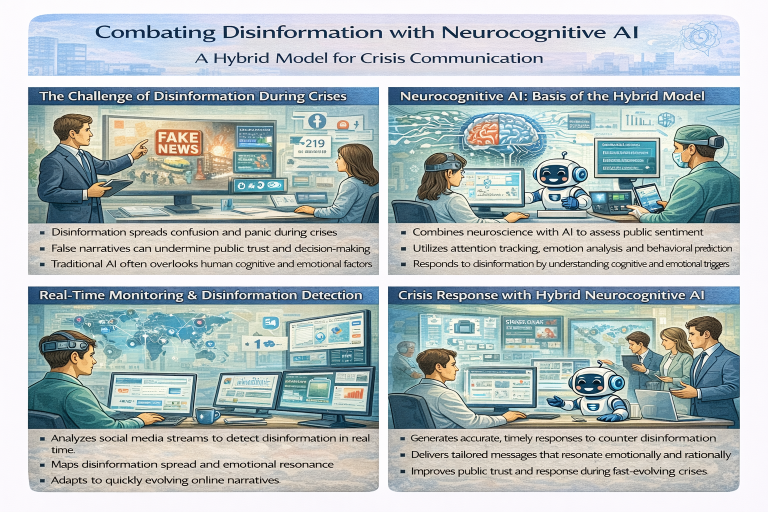
Crisis situations are fertile grounds for disinformation, which can amplify confusion, fear, and mistrust. Traditional AI methods used to combat disinformation often neglect human cognitive responses and emotional triggers. This paper proposes a hybrid system integrating neuroscience-informed AI, including attention tracking, emotion analysis, and behavioural prediction, to enhance crisis communication strategies. By leveraging neurocognitive insights, our model identifies the disinformation's impact on public sentiment and cognition, enabling tailored, effective responses. We combine real-time social media monitoring with neuro-symbolic processing to map patterns of disinformation spread and its emotional resonance. Preliminary evaluations suggest improved accuracy and timeliness in detecting and countering disinformation, especially in high-stakes, fast-evolving crisis contexts.
Neuroscience
Disclaimer: This image was generated using artificial intelligence and may contain inaccuracies or inconsistencies.
It is provided solely as a visual aid to facilitate the rapid understanding of the key ideas presented
in this article. Our editorial team conducts ongoing reviews of AI-generated images and will correct
or replace them whenever an error or discrepancy is identified or reported.
Authors:
Olena
Revutska
, Kristina
Torop
, Iryna
Omelianovych
, Tetiana
Marieieva
, Svetlana
Dmytrieva
, Valentyna
Stets
Abstract:
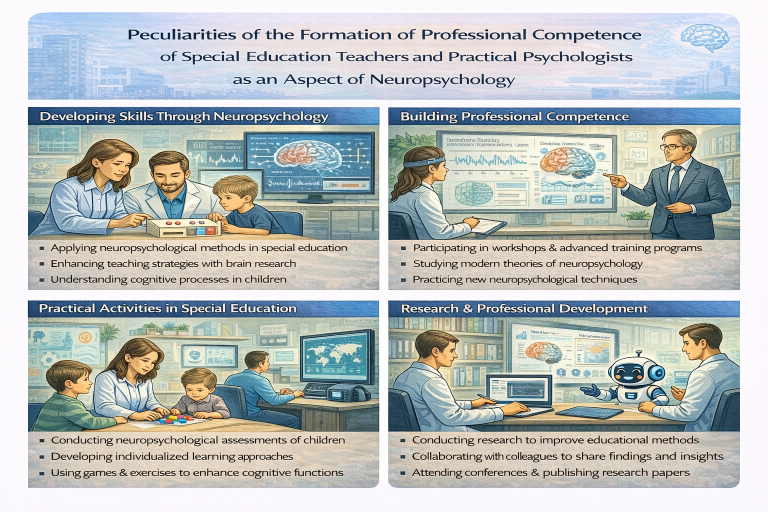
The article deals with the professional development of special education teachers and practical psychologists. The main approaches to this process as a set of research and practical activities in the context of neuropsychology are considered. In addition, it is shown how to develop professional competence in the context of the modern educational paradigm. Research activity is considered as the result of theoretical and methodological approaches to the professional activity of special education teachers and practical psychologists. It is important that the article reveals the main manifestations of the scientific and practical activity of special education teachers and practical psychologists, through the method of determining the level of their professional competence as a result of neuropsychological approaches. The main goal of the article is the analysis of the considered problem in the context of the modern educational paradigm. Accordingly, the article proves that the educational process can be considered effective when it is based on new approaches and technologies aimed at involving children in active learning. There are obvious connections between the effectiveness of the scientific and practical activities of special education teachers, practical psychologists and the level of development of children's competencies and values. The research methods include generalisation, analysis, description of scientific methods,, and practical activities in the context of the modern educational paradigm of neuropsychology, as well as current ways of researching the connections between the professional activities of a defectologist and a practical psychologist, the levels of competences and values of children.
Disclaimer: This image was generated using artificial intelligence and may contain inaccuracies or inconsistencies.
It is provided solely as a visual aid to facilitate the rapid understanding of the key ideas presented
in this article. Our editorial team conducts ongoing reviews of AI-generated images and will correct
or replace them whenever an error or discrepancy is identified or reported.
Authors:
Marianna
Kompanovych
, Oksana
Martsyniak-Dorosh
, Zoya
Romanets
, Iryna
Zoshii
, Kateryna
Khanyak
, Nazariy
Kotsur
Abstract:
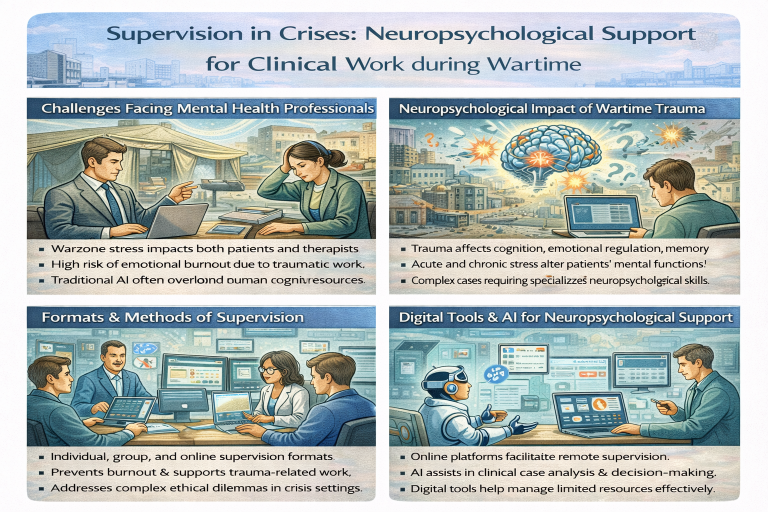
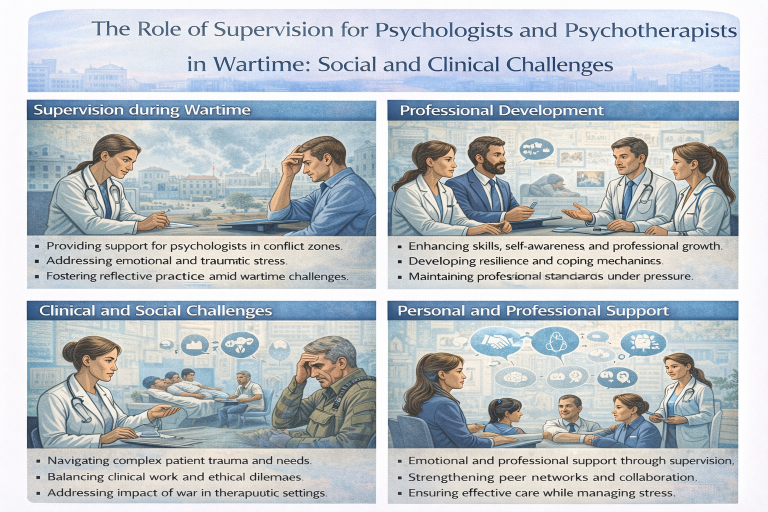
War creates significant challenges for the mental health of the affected population and professionals providing psychological support. In such conditions, supervision plays a crucial role in maintaining a professional environment. It helps prevent emotional burnout, enhances the effectiveness of trauma-related work, and supports the resilience of specialists. This article explores the supervision of clinical cases in wartime conditions and emphasises its critical role in supporting mental health professionals. Additionally, it focuses on the neuropsychological mechanisms that affect patients and supervisors during periods of both acute and chronic stress. It examines how traumatic events alter cognitive and emotional functions. Moreover, it highlights the specific challenges of supervision when resources are limited and addresses the ethical dilemmas that supervisors may face under such conditions. Importantly, the article discusses various supervision formats, including individual, group, and online supervision. It outlines common challenges such as professional burnout and countertransference. Emphasis is placed on integrating digital technologies into the supervision process, as well as the emerging potential of artificial intelligence to assist in clinical analysis. By proposing an interdisciplinary approach, the article offers practical recommendations for neuropsychologists and supervisors working in crisis settings. Finally, it underscores the importance of adaptive supervision practices that meet the unique demands of wartime environments.
Disclaimer: This image was generated using artificial intelligence and may contain inaccuracies or inconsistencies.
It is provided solely as a visual aid to facilitate the rapid understanding of the key ideas presented
in this article. Our editorial team conducts ongoing reviews of AI-generated images and will correct
or replace them whenever an error or discrepancy is identified or reported.
Authors:
Ioannis
Mavroudis
, Foivos
Petridis
, Alin
Ciobica
, Gabriel
Dascalescu
, Dimitrios
Kazis
, Antoneta
Dacia Petroaie
, Otilia
Novac
, Ioana
Vata
, Bogdan
Novac
Abstract:
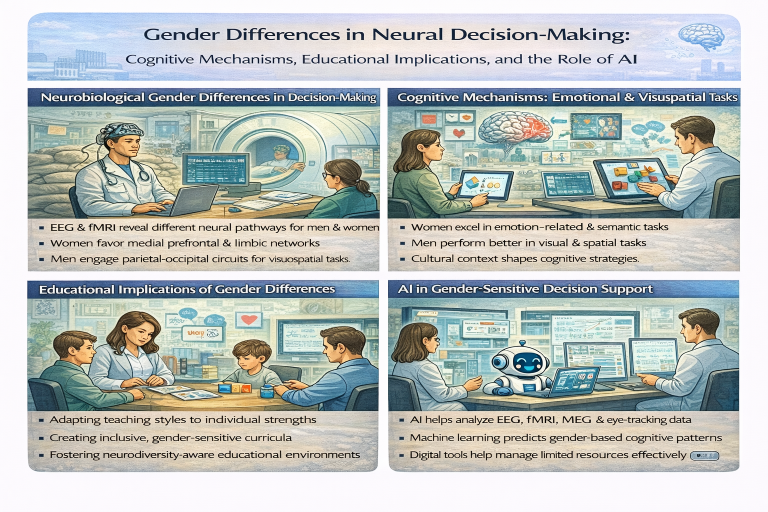
This narrative review synthesises evidence on gender-specific neurocognitive mechanisms underlying decision-making, emotional processing, and learning, and examines how AI-driven analyses can enhance personalised interventions. Drawing on EEG, fMRI, MEG, ERP, and eye-tracking studies, we show that women preferentially engage medial prefrontal and limbic networks, during semantic-relational and emotional tasks, whereas men recruit parietal-occipital circuits for visuospatial processing. Cultural context further shapes these patterns. AI applications, such as machine learning classifiers on neurophysiological data, improve the accuracy of gender-informed predictions, and support adaptive, neurodiversity-aware pedagogies. We conclude that integrating neuroscientific and AI insights can inform gender-sensitive educational design and decision-support systems, provided ethical safeguards against algorithmic bias and privacy breaches are in place.
Disclaimer: This image was generated using artificial intelligence and may contain inaccuracies or inconsistencies.
It is provided solely as a visual aid to facilitate the rapid understanding of the key ideas presented
in this article. Our editorial team conducts ongoing reviews of AI-generated images and will correct
or replace them whenever an error or discrepancy is identified or reported.
Authors:
Halyna
Kolomoiets
, Iryna
Holiiad
, Vasyl
Tutashynskyi
, Larysa
Hrytsenko
, Ruslan
Holiiad
, Maryna
Rebryna
Abstract:
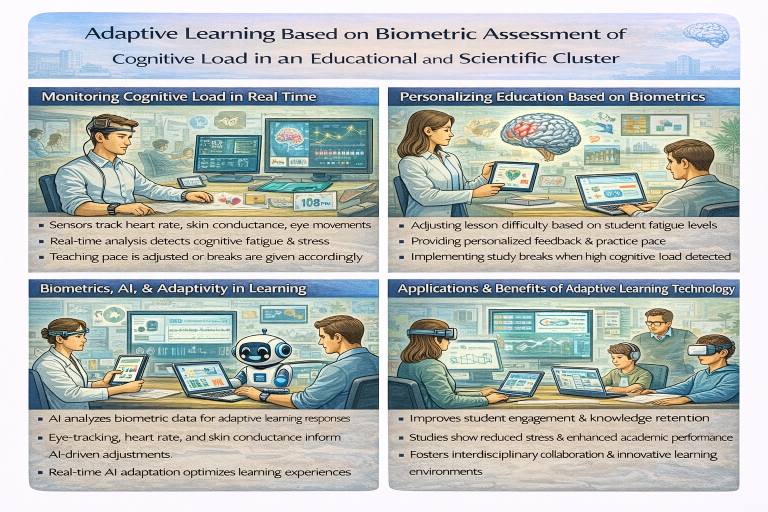
The article presents the results of an experimental study on the effectiveness of adaptive learning based on biometric assessment of students' cognitive load within an educational and scientific cluster. The main aim of the study was to examine the impact of physiological indicators, particularly heart rate, on the adaptation of the learning process to enhance its effectiveness. During the study, students' heart rates were monitored to determine their level of cognitive load. In cases of detected elevated load, the teaching pace was slowed down or breaks were introduced. The results of the final assessment demonstrated a statistically significant advantage of the experimental group over the control group. Correlation analysis revealed a strong relationship between heart rate levels and the quality of material assimilation, confirming the effectiveness of using biometric data to adapt the learning process. In addition, the article discusses biometric indicators such as skin conductivity and eye movements as objective markers of cognitive state during learning. The experience of integrating biometric feedback into educational platforms is analyzed, including studies in the field of augmented reality and the use of artificial intelligence for adaptive learning. A concept of AI system architecture for automated monitoring and adaptation of the learning process in real time is proposed. Special attention is given to educational and scientific clusters as environments for the development and implementation of innovative adaptive learning technologies based on biometric monitoring. The advantages of the cluster approach for the personalization of learning and the provision of interdisciplinary collaboration among educational institutions, research organizations, and the IT sector are outlined. Within the study, the effectiveness of adaptive learning based on biometric data for enhancing motivation, reducing stress, and improving students' academic performance during the educational process is substantiated.
Disclaimer: This image was generated using artificial intelligence and may contain inaccuracies or inconsistencies.
It is provided solely as a visual aid to facilitate the rapid understanding of the key ideas presented
in this article. Our editorial team conducts ongoing reviews of AI-generated images and will correct
or replace them whenever an error or discrepancy is identified or reported.
Authors:
Svitlana
Shuliak
, Myroslava
Hnatyuk
, Olha
Sopina
, Volodymyr
Diakiv
, Tetyana
Nikolashyna
, Olha
Khudenko
Abstract:
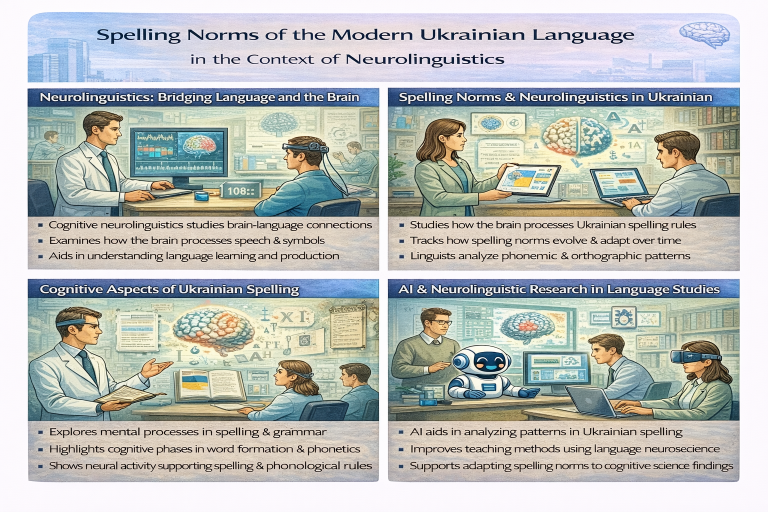
Cognitive neurolinguistics is a scientific discipline that studies the brain processes underlying speech recognition and generation, language acquisition, and quasi-linguistic symbolism. This science examines speech in its connection with human cognition. Speech is presented as one of the main means of accumulating, systematising, processing, and using knowledge about the world. This work is devoted to the historical, scientific, and methodological analysis of cognitive neurolinguistics as an aspect of spelling norms of the modern Ukrainian language. The relationship between neurolinguistics philosophy of language and general linguistics has been studied. There are three main philosophical approaches: structuralism, formalism, and activity philosophy, which influenced modern neurolinguistics. The article considers further prospects for the development of neurolinguistics as a factor in the formation of the modern Ukrainian language. The purpose of the article is to study the peculiarities of the spelling of the modern Ukrainian language as a factor of neurolinguistics. The methods of synthesis, analysis, scientific, explanatory, descriptive, and research methods were used for the research. The article highlights the principles of using the neurolinguistic approach when studying the structural features and semantic code of phraseological units of the Latin language, followed by their interpretation in the Ukrainian language. This technique reveals mechanisms of perceiving stable combinations of any language and allows recoding the meaning of a phraseological unit in the target language, taking into account peculiarities of the mentality of its speaker. The results of the work do not exhaust all options for further research but are important in formulating important conclusions.
Disclaimer: This image was generated using artificial intelligence and may contain inaccuracies or inconsistencies.
It is provided solely as a visual aid to facilitate the rapid understanding of the key ideas presented
in this article. Our editorial team conducts ongoing reviews of AI-generated images and will correct
or replace them whenever an error or discrepancy is identified or reported.
Authors:
Andreea
Cătălina Moroșan
, Gabriel
Dascalescu
, Alin
Ciobica
, Diana
Maria Ichim
, George
Cătălin Moroșan
Abstract:
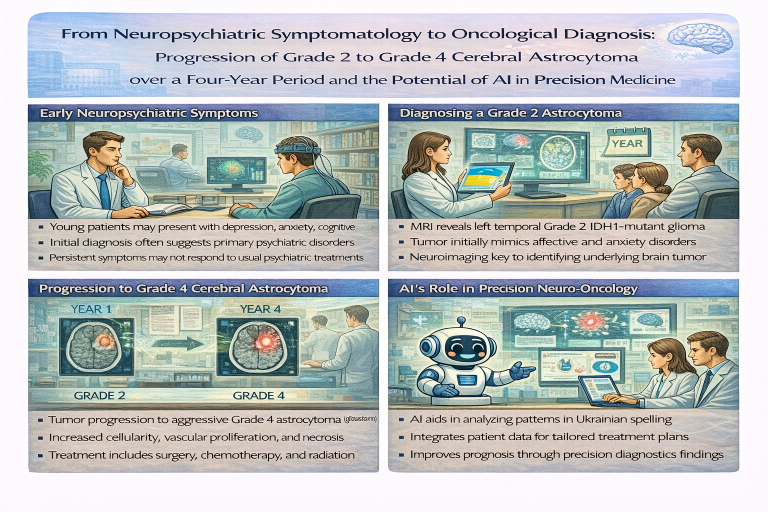
The progression of low-grade gliomas, particularly IDH1-mutant diffuse astrocytoma, remains a complex and clinically relevant topic, especially when early manifestation are predominantly neuropsychiatric. In certain clinical scenarios, young individuals presenting with severe depressive and anxiety symptoms, initially suggestive of primary psychiatric disorders, may be found to harbour underlying low-grade brain tumours upon neuroimaging. Left temporal IDH-1 mutant astrocytoma (WHO grade II) are among such pathologies that can initially mimic affective or anxiety disorders, delaying appropriate diagnosis and intervention. Longitudinal clinical observation over a four-year period have shown that these tumours may undergo malignant transformation into high-grade (WHO grade IV) IDH-mutant astrocytoma, characterised histologically by increased cellularity, mitotic activity, vascular proliferation, and necrosis. Molecular analysis typically reveals continued IDH1 mutation, ATRX loss and p53 overexpression, with proliferative indices increasing significantly at the point of progression. The neuropsychiatric trajectory may parallel this evolution, transitioning from affective symptoms to more profound cognitive and personality disturbances associated with frontal lobe dysfunction. Despite multimodal treatment strategies including surgery, radiotherapy and chemotherapy, prognosis tends to worsen significantly upon transformation, particularly when early symptoms are misattributed to primary psychiatric conditions. A synthesis of current literature supports the recognition of early neuropsychiatric symptoms, particularly those resistant to conventional treatment, as potential early indicators of intracranial neoplasms. Systematic neuroimaging in such cases could facilitate early detection. Additionally, recent advances in artificial intelligence (AI) show promise in enhancing diagnostic precision through imaging analysis and multimodal clinical data integration, thereby contributing to more personalised and timely therapeutic approaches in neuro-oncology.
Psychology
Disclaimer: This image was generated using artificial intelligence and may contain inaccuracies or inconsistencies.
It is provided solely as a visual aid to facilitate the rapid understanding of the key ideas presented
in this article. Our editorial team conducts ongoing reviews of AI-generated images and will correct
or replace them whenever an error or discrepancy is identified or reported.
Authors:
Nataliia
Mateiko
, Liudmyla
Ivantsev
, Myroslava
Hasiuk
, Liliia
Krykun
, Inna
Medvid
, Yurii
Kashpur
Abstract:
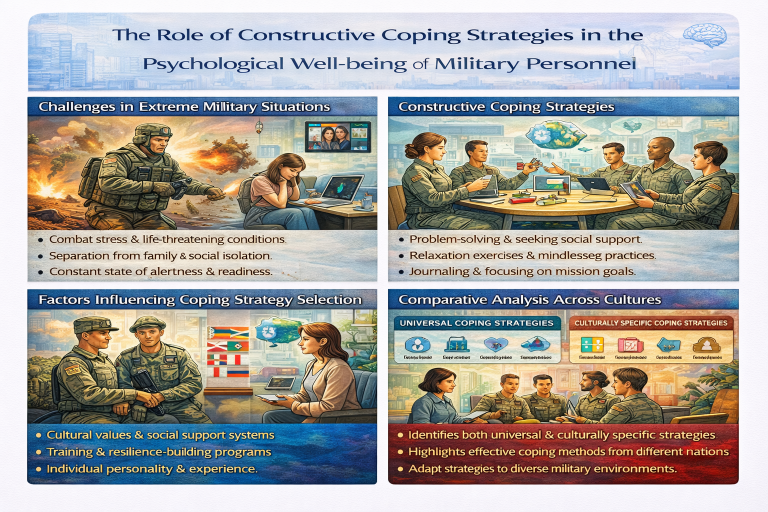
This article explores the coping strategies employed by military personnel to manage stress in extreme service conditions. The authors analyse various approaches used by servicemen and servicewomen to cope with the psychological stresses of military life, such as constant combat readiness, life-threatening situations, and separation from family. The article discusses different classifications of stress-coping strategies and evaluates their effectiveness. Special attention is given to the impact of cultural, social, and individual factors on military personnel from different countries. The authors provide a comparative analysis of coping strategies across cultures, identifying both universal and culturally specific approaches.
Disclaimer: This image was generated using artificial intelligence and may contain inaccuracies or inconsistencies.
It is provided solely as a visual aid to facilitate the rapid understanding of the key ideas presented
in this article. Our editorial team conducts ongoing reviews of AI-generated images and will correct
or replace them whenever an error or discrepancy is identified or reported.
Authors:
Ihor
Bloshchynskyi
, Svitlana
Hanaba
, Iryna
Kovalska
, Andrii
Mostovyi
Abstract:
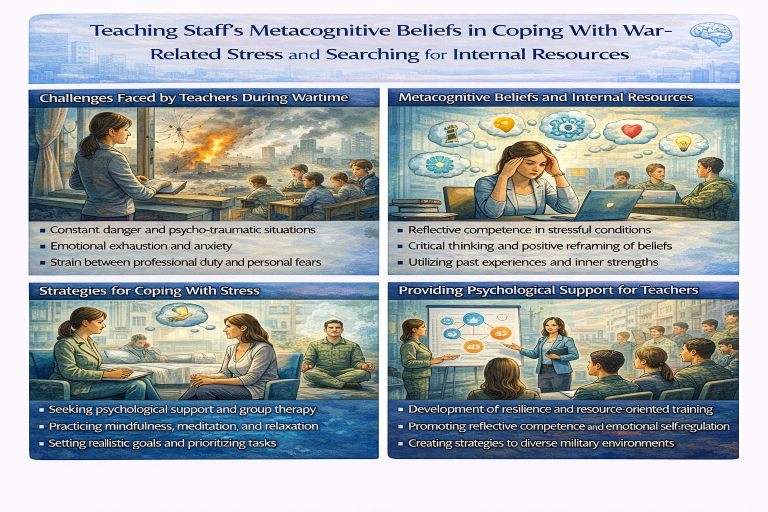
Life in the conditions of war causes a number of psycho-traumatic situations, which often acquire an acute and permanent character. In such situations, a person cannot fully think objectively, because in stressful conditions, the rational sphere of the personality is obscured, and emotions take over. In the crisis and rapidly changing situations of wartime, a person relies on past experience and a system of worldview and value beliefs that are not always consistent with reality and, as a result, cause him/her emotional anxiety and nervous tension. The purpose of the study is to determine the level of influence of a number of stress factors caused by wartime realities on a person using the example of a professional group of teachers. In situations of danger, the teacher realises his human and professional vocation to help, advise, and support. Actually, this circumstance testifies not only to the need for the viability of this professional group and the need to be a resource, but also to the desire to encourage and promote the acquisition of resilience in their students, the ability to establish effective interaction, taking into account their experience of acute stress and psycho-traumatisation.The analysis of empirical data proved a moderate level of personal anxiety among teachers against the background of a high level of situational anxiety of teachers in wartime conditions. Quite often, the emotions and feelings experienced by teachers in stressful situations are devalued by them, they are not sufficiently understood, and ultimately have no way out. The analysis of teachers' metacognitive beliefs made it possible to determine the level of development of reflective competence, and to illustrate the range of individual differences in the choice of metacognitive judgments and beliefs, and ultimately to outline certain strategies for the influence of stressful events on the psyche of people of this professional category.The indicated results of the study actualise the need for the development of psychological support measures for specialists of this professional category in psycho-traumatic situations of wartime. A productive conceptual idea in the implementation of these measures is the resource approach. In each specific situation, the teacher uses and develops his/her individual set of internal resources.
Disclaimer: This image was generated using artificial intelligence and may contain inaccuracies or inconsistencies.
It is provided solely as a visual aid to facilitate the rapid understanding of the key ideas presented
in this article. Our editorial team conducts ongoing reviews of AI-generated images and will correct
or replace them whenever an error or discrepancy is identified or reported.
Authors:
Dan
Octavian Rusu
, Cristian
Delcea
Abstract:
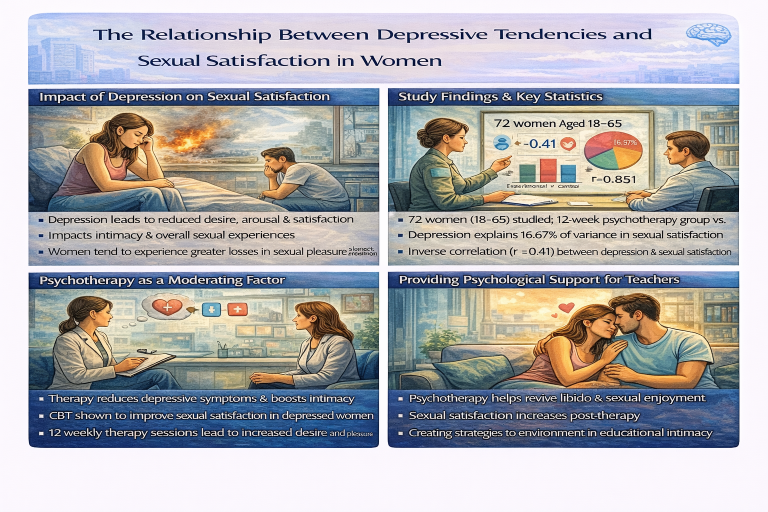
This study examines the relationship between depressive tendencies and sexual satisfaction in women, as well as the role of psychotherapy in moderating these effects. Seventy-two women aged 18 to 65 with depressive tendencies were randomly assigned to an experimental group (receiving 12 weekly psychotherapy sessions) or a control group (receiving none). Depression and sexual satisfaction were measured using the Center for Epidemiological Studies-Depression Scale (CES-D) and the Sexual Satisfaction Scale for Women (SSS-W). Data collection occurred at baseline and post-intervention. Results indicated a significant inverse relationship between depressive tendencies and sexual satisfaction (r = -0.408, p < 0.001), with depression explaining 16.67% of the variance in sexual satisfaction (B = -0.851, p < 0.001). However, no significant link was found between depression and sexual communication (r = 0.045, p = 0.706), suggesting that while depression affects sexual satisfaction, it may not directly impact communication within couples. The findings underscore the detrimental impact of depressive symptoms on sexual satisfaction, affecting intimacy and overall sexual experiences. Demographic and contextual factors also play a role, with women particularly vulnerable to the interplay between depression and sexual health. Compared to men, women experience greater reductions in sexual desire and pleasure due to depression, influenced by psychological and cultural factors such as body image concerns and societal expectations. While research on sexual satisfaction in depressed women remains limited, existing evidence supports the effectiveness of therapeutic interventions like cognitive-behavioural therapy (CBT) in improving both mental health and intimacy. Future studies should further explore the dual impact of psychotherapy on depression and sexual satisfaction to enhance overall well-being in affected individuals.
Disclaimer: This image was generated using artificial intelligence and may contain inaccuracies or inconsistencies.
It is provided solely as a visual aid to facilitate the rapid understanding of the key ideas presented
in this article. Our editorial team conducts ongoing reviews of AI-generated images and will correct
or replace them whenever an error or discrepancy is identified or reported.
Authors:
Nuriye
Sancar
, Abdiwahab
Abdillahi
, Nadire
Cavus
Abstract:
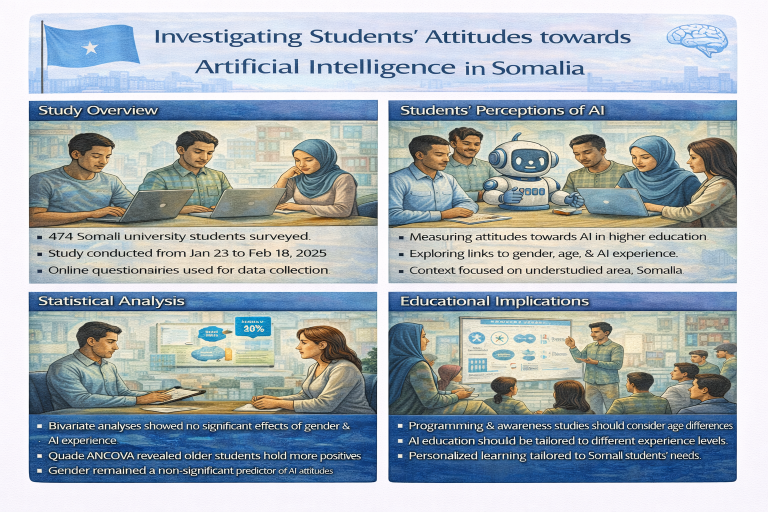
As artificial intelligence (AI) becomes more prevalent in higher education, bringing potential benefits, student perceptions of AI, especially in contexts that have been understudied, such as Somalia, are relatively uncharted terrain. In this study, we examined attitudes towards AI among 474 Somali university students, exploring possible links to gender, age, and self-assessed AI experience. The data collection took place during the period from January 23 to February 18, 2025.. Applying a cross-sectional survey approach with convenience sampling through online questionnaires, we first carried out bivariate analyses (Mann-Whitney U, Kruskal-Wallis, Spearman correlation) to examine these relations. Initial analysis revealed no statistically significant differences across gender (p=0.887) or age group, nor a significant correlation across AI experience (p=0.587). Acknowledging that bivariate tests might not adequately capture multifaceted influences, multivariate analysis using Quade ANCOVA, however, revealed a statistically significant effect of age group on AI attitudes after controlling for AI experience (p<0.001), suggesting that older students held more positive attitudes compared to their younger peers. In contrast, gender remained a non-significant predictor even after adjusting for experience. In conclusion, these findings reveal that covariates such as AI Experience must be controlled in the assessment of attitudes towards artificial intelligence. Therefore, AI education programs and awareness studies to be implemented in universities should be structured to take into account the different needs of age groups; in addition, personalised learning strategies should be developed by considering individual experience levels.
Disclaimer: This image was generated using artificial intelligence and may contain inaccuracies or inconsistencies.
It is provided solely as a visual aid to facilitate the rapid understanding of the key ideas presented
in this article. Our editorial team conducts ongoing reviews of AI-generated images and will correct
or replace them whenever an error or discrepancy is identified or reported.
Authors:
Natalia
Falko
, Oleksii
Kryzhanovskyi
, Liliya
Kobylnik
, Nataliia
Huz
, Valentyna
Piddubna
, Oleksandr
Demchyk
Abstract:
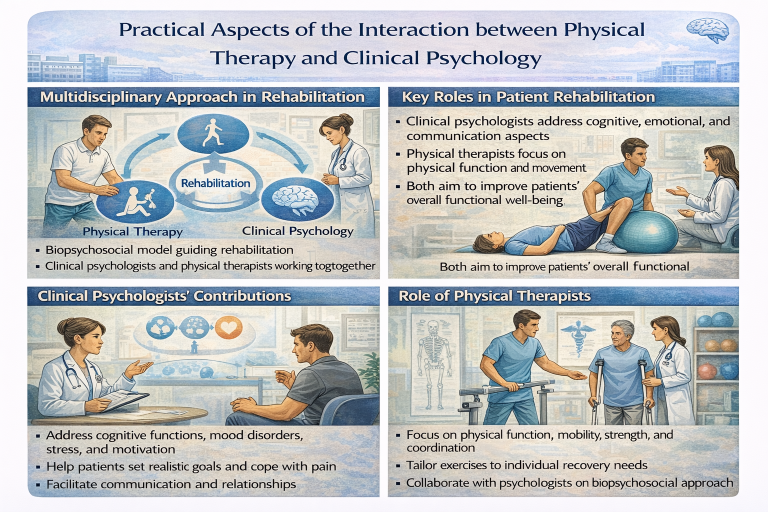
This article explores the interaction between clinical psychologists and physical therapists in the rehabilitation process, using a biopsychosocial model as a foundation. It highlights key aspects of a multidisciplinary approach to rehabilitating patients with various medical conditions. The article also defines new professional roles for clinical psychologists and physical therapists, emphasising their contributions within a multidisciplinary framework. According to the International Classification of Functioning, Disability, and Health (ICF), rehabilitation specialists have distinct areas of responsibility. Clinical psychologists’ work focuses on cognitive functions, as classified under ICF codes related to deficiencies in body functions and structures. Additionally, they address activity limitations, participation restrictions, general tasks, and communication-related challenges. Their role also extends to interpersonal interactions and relationships, which influence learning and the practical use of knowledge.
Disclaimer: This image was generated using artificial intelligence and may contain inaccuracies or inconsistencies.
It is provided solely as a visual aid to facilitate the rapid understanding of the key ideas presented
in this article. Our editorial team conducts ongoing reviews of AI-generated images and will correct
or replace them whenever an error or discrepancy is identified or reported.
Authors:
Halyna
Herasymchuk
, Gennadii
Riabtsev
, Olha
Puliak
, Оlha
Maltseva
, Tetiana
Myhovych
, Olena
Zharovska
, Borys
Maksymchuk
Abstract:
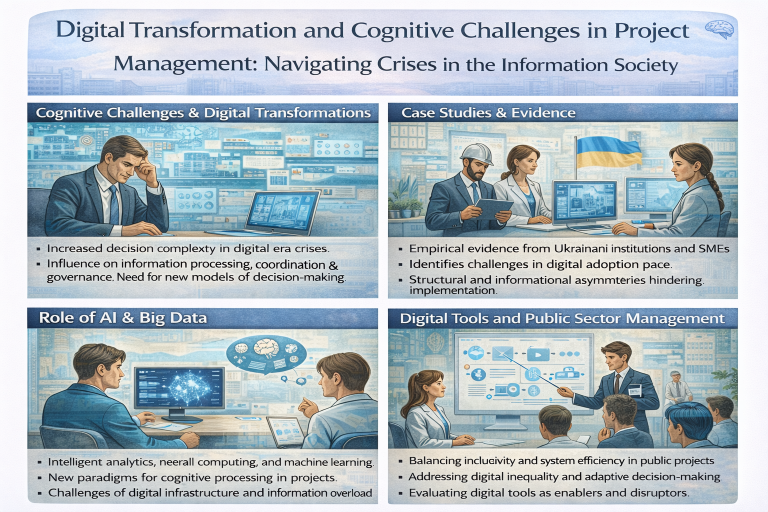
Cognitive challenges and decision-making complexity are intensifying in the digital era, particularly within project management frameworks affected by systemic crises such as the COVID-19 pandemic. This study explores how digital technologies reshape project management by influencing information processing, coordination, and governance models in both the private and public sectors. Drawing on empirical evidence from Ukrainian public institutions and SMEs, the article identifies the uneven pace of digital adoption and the structural, ethical, and informational asymmetries that hinder optimal implementation. The study highlights how big data, intelligent analytics, and emerging AI applications—particularly neural computing and machine learning—introduce new paradigms of cognitive processing, configuration management, and value generation across the project lifecycle. It also addresses infrastructural and organisational obstacles, such as digital inequality, information overload, and the need for adaptive decision models. Special attention is given to public administration, where digital tools must balance democratic inclusivity with system efficiency. The findings underscore the dual role of digital technologies as both enablers and disruptors of traditional management logic, requiring a fundamental reconceptualisation of how information is structured, evaluated, and acted upon in dynamic environments.
Disclaimer: This image was generated using artificial intelligence and may contain inaccuracies or inconsistencies.
It is provided solely as a visual aid to facilitate the rapid understanding of the key ideas presented
in this article. Our editorial team conducts ongoing reviews of AI-generated images and will correct
or replace them whenever an error or discrepancy is identified or reported.
Authors:
Olena
Drozd
, Liana
Onufriieva
, Nataliia
Mykhalchuk
, Eduard
Ivashkevych
, Yevhen
Kharchenko
, Tetyana
Ivanova
Abstract:
The primary objective of higher professional education is to train specialists who possess the knowledge, skills, abilities, and psychological competencies aligned with the demands of their profession. This article explores the development of professionally significant qualities in clinical psychologists during medical training, emphasising the role of introspection. In certain professions, particularly those of a socio-economic nature, such as teaching, healthcare, social work, and psychology, professional effectiveness depends not only on technical expertise but also on the practitioner’s personality. In these fields, job requirements often place a strong emphasis on personal attributes. Extensive theoretical and practical training can at times overshadow humanistic aspects, diminishing their perceived importance. As a result, specialists may become overly focused on technical proficiency, overlooking the interpersonal dynamics that can either support or hinder professional outcomes, depending on the context.
Disclaimer: This image was generated using artificial intelligence and may contain inaccuracies or inconsistencies.
It is provided solely as a visual aid to facilitate the rapid understanding of the key ideas presented
in this article. Our editorial team conducts ongoing reviews of AI-generated images and will correct
or replace them whenever an error or discrepancy is identified or reported.
Authors:
Vadym
Pienov
, Yuliia
Chystovska
, Natalia
Shavrovska
, Olena
Grebeniuk
, Svitlana
Gvozdii
, Tetyana
Ivanova
Abstract:
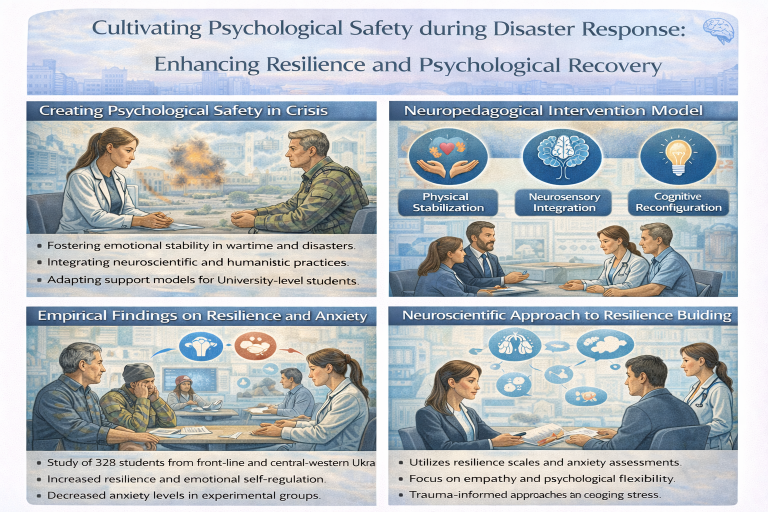
The article presents a theoretical and empirical justification for the author’s neuropedagogical model aimed at fostering psychological safety. This model is adapted explicitly to environments marked by catastrophes, such as during wartime. The article aims to integrate neuroscientific insights into stress regulation with humanistic educational practices. This integration seeks to strengthen the emotional stability and resilience of students at the university level. The research methodology adopts an interdisciplinary approach. It incorporates resilience scales (CD-RISC), psychological flexibility (AAQ-II), empathy (TEQ), and anxiety assessments (STAI), alongside interviews and qualitative content analysis. A total of 328 students from frontline and central-western regions of Ukraine participated in the formative diagnostic experiment. The findings show a statistically significant increase in resilience, a decrease in anxiety, and an improvement in emotional self-regulation among the experimental groups (p < 0.01). These outcomes confirm the effectiveness of the proposed model. The originality of the investigation is based on the development of a holistic, modularly structured neuropedagogical framework. This structure incorporates physical stabilisation, neurosensory integration, cognitive reconfiguration, and social reasoning. It not only addresses the shortcomings of traditional education during crises but also creates conditions for restoring subjectivity. The latter is viewed as an ontological resource for dignity, resistance, and personal growth. Finally, the article explores key neuroscientific approaches to understanding resilience. It introduces the authors’ model of neuropedagogical intervention and presents the outcomes of a pedagogical experiment conducted among Ukrainian students living in regions with differing levels of security threat. This article is intended for researchers, educators, psychologists, and professionals in political and humanitarian fields interested in shaping a new humanistic epistemology of education under conditions of existential instability.
Disclaimer: This image was generated using artificial intelligence and may contain inaccuracies or inconsistencies.
It is provided solely as a visual aid to facilitate the rapid understanding of the key ideas presented
in this article. Our editorial team conducts ongoing reviews of AI-generated images and will correct
or replace them whenever an error or discrepancy is identified or reported.
Authors:
Roxana
Maier
, Sofia
Bratu
, Maria
Zivari
, Ioana
Simion
Abstract:
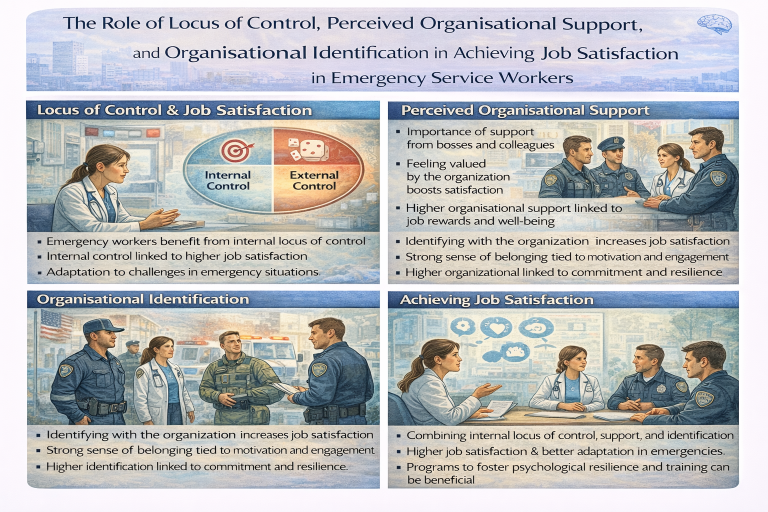
The present study provides evidence regarding the importance of locus of control, organisational support provided by bosses/colleagues in the workplace, and identification with the organisation in achieving optimal satisfaction and, most likely, adaptation of emergency department employees. The results highlight that, according to the characteristic profile of the two dimensions of locus of control, individuals who are more likely to feel more comfortable and to experience high levels of specific satisfaction (extrinsic/intrinsic satisfaction), are those who have a correspondence between the orientations of the characteristics of the two dimensions of locus of control, and the two dimensions of specific satisfaction. Also, employees who have a high level of identification with the organisation in which they work, as well as a high level of perceived organisational support from their bosses and/or colleagues, will more frequently have higher levels of specific and generic job satisfaction. The psychological characteristics studied may become specific predictors of psychological assessment conducted for selection purposes to predict employee comfort, optimal adaptation to the workplace, and longer stay in the organisation, so that employees would benefit of some programmes to develop psychological resilience, learning to develop through cognitive restructuring techniques, including those using applications of artificial intelligence, as proposed by the authors of the study.
Disclaimer: This image was generated using artificial intelligence and may contain inaccuracies or inconsistencies.
It is provided solely as a visual aid to facilitate the rapid understanding of the key ideas presented
in this article. Our editorial team conducts ongoing reviews of AI-generated images and will correct
or replace them whenever an error or discrepancy is identified or reported.
Authors:
Monica
Calderaro
, Vincenzo
Mastronardi
, Ionuț
Virgil Șerban
, Camilla
Fruet
Abstract:
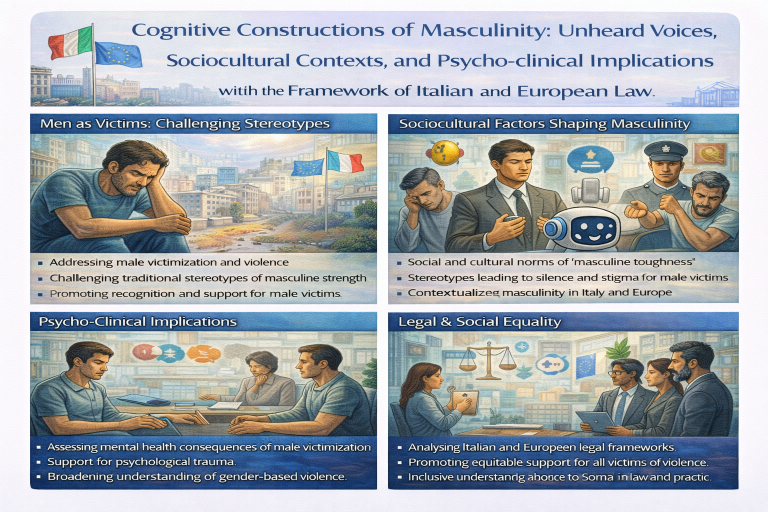
This article addresses the clinical consequences of violence experienced by men, an underestimated and under-debated phenomenon deeply intertwined with the social construction of masculinity. We critically analyze how traditional gender stereotypes shape the social perception and management of male victimization. The work discusses the main psychological and sociological theories that explain the formation of these stereotypes. We provide a secondary analysis of Macrì et al. (2012), who surveyed a volunteer, non-probability sample of 1,058 Italian men aged 18–70 using an instrument adapted from ISTAT (2006) to assess lifetime experiences of physical, sexual, psychological/economic, and persecutory behaviors experienced by men, revealing the pervasiveness of the phenomenon and its severe psychological consequences for victims. The objective is to overcome the unidirectional view of gender-based violence, stimulating a more comprehensive and inclusive understanding that can inform targeted support interventions and promote a more equitable society for all victims.
Psychiatry
Disclaimer: This image was generated using artificial intelligence and may contain inaccuracies or inconsistencies.
It is provided solely as a visual aid to facilitate the rapid understanding of the key ideas presented
in this article. Our editorial team conducts ongoing reviews of AI-generated images and will correct
or replace them whenever an error or discrepancy is identified or reported.
Authors:
Lukáš
Stárek
Abstract:
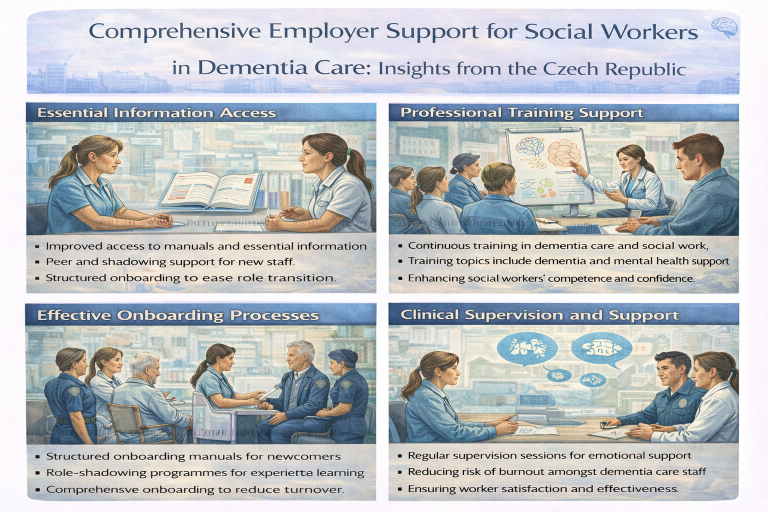
The ageing demographic structure in Europe poses significant challenges for social care services, especially for employees providing direct care for clients with dementia in residential facilities. This qualitative study critically examines the forms and effectiveness of employer-sponsored support for social service workers in the Czech Republic. Data were collected through semi-structured interviews with ten participants and analysed using thematic analysis, identifying four key areas: access to essential work information, onboarding processes, professional training support, and clinical supervision . The findings emphasise the need for structured onboarding manuals, peer-guided information sharing, role-shadowing programmes, comprehensive onboarding programmes, continuous professional training, and regular supervision to mitigate burnout and enhance worker satisfaction. This study provides recommendations focusing on enhanced frequency of supervision, formal documentation flow, and digital onboarding tools for improving working conditions and the quality of care.
Disclaimer: This image was generated using artificial intelligence and may contain inaccuracies or inconsistencies.
It is provided solely as a visual aid to facilitate the rapid understanding of the key ideas presented
in this article. Our editorial team conducts ongoing reviews of AI-generated images and will correct
or replace them whenever an error or discrepancy is identified or reported.
Authors:
Cătălina
Aldea
, Anamaria
Ciubară
, Cătălina
Mihaela Luca
Abstract:
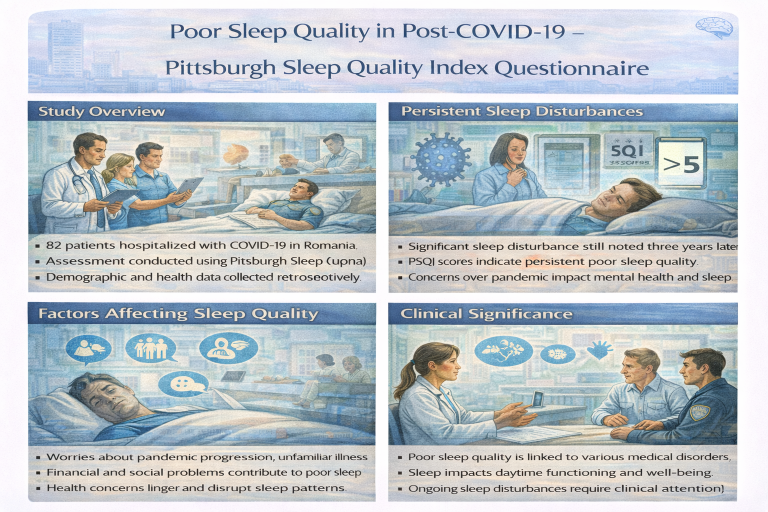
Since the global outbreak of COVID-19, knowledge about the long-term effects of the disease has grown rapidly. One of the symptoms of post- COVID-19 condition is sleep disturbance. This study aims to analyse the impact of SARS-CoV-2 infection on sleep quality, using the Pittsburgh Sleep Quality Index questionnaire (PSQI), administered by phone, in a group of 82 patients, who were hospitalised with COVID-19 between March 2020 and February 2021 in two hospital units in Romania. The demographics data were retrospectively collected from patients charts. In addition to the PSQI questionnaire, health-related questions, such as post-COVID-19 symptoms were also asked. The overall results showed that sleep quality was significantly affected in post COVID-19 patients, as indicated by a PSQI score ≥ 5. This follow-up questionnaire, conducted three years later shows the persistence of poor sleep quality in these patients. Excessive worry about the progression of the pandemic, experiencing an unfamiliar disease, financial difficulties and social problems contributed to sleep impairment. Poor sleep quality can be an important symptom of various sleep and medical disorders. Since sleep quality impacts daytime functioning it remains an important clinical construct.
Disclaimer: This image was generated using artificial intelligence and may contain inaccuracies or inconsistencies.
It is provided solely as a visual aid to facilitate the rapid understanding of the key ideas presented
in this article. Our editorial team conducts ongoing reviews of AI-generated images and will correct
or replace them whenever an error or discrepancy is identified or reported.
Authors:
Lucia
Blendea
, Ioan
Gotca
, Ioana
Vata
, Bogdan
Novac
, Otilia
Novac
, Andrei
Mihailescu
, Constantin
Maftei
Abstract:
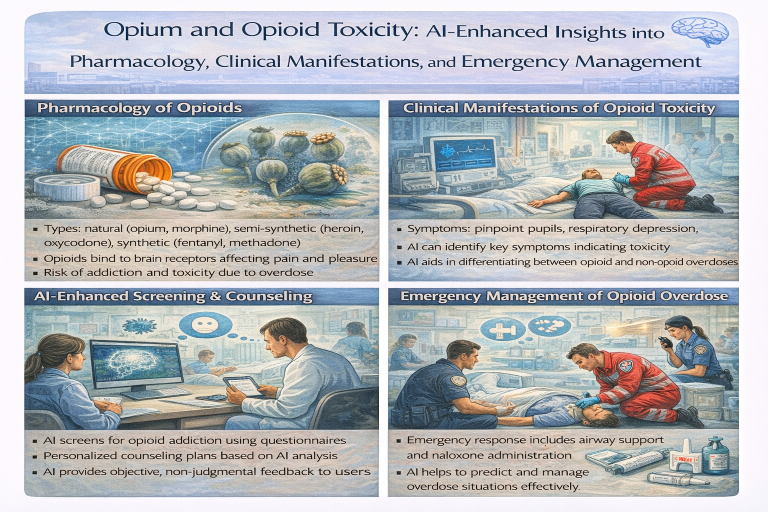
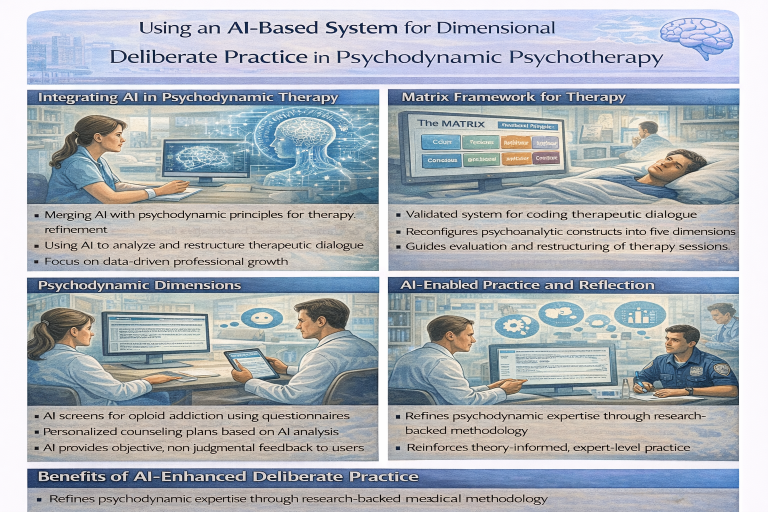
Artificial intelligence can be used to personalise the counselling plan for individuals with drug addiction, identified through our screening process. Thus, anyone who scores above the average reported in research studies is considered to have issues related to opioid abuse. Additionally, artificial intelligence can provide verified and highly relevant information essential for clarifying the situation of those who respond to the questionnaire. When certain key indicators or markers appear in their answers, it can help young people more easily accept the idea that they are dealing with a form of substance dependence. This represents a significant advantage for individuals with substance use disorders, who often do not accept criticism or being labeled by a doctor or psychologist. However, they may be more open to accepting a perspective offered by a computer-based system. Such a system is perceived as neutral, non-judgmental, and highly objective. In this context, the individual feels that their responses are being evaluated fairly, which encourages greater honesty and increases the likelihood of accepting the AI-generated conclusions as well-founded and difficult to dispute.
Disclaimer: This image was generated using artificial intelligence and may contain inaccuracies or inconsistencies.
It is provided solely as a visual aid to facilitate the rapid understanding of the key ideas presented
in this article. Our editorial team conducts ongoing reviews of AI-generated images and will correct
or replace them whenever an error or discrepancy is identified or reported.
Authors:
Shlomo
Mendlovic
Abstract:
Despite decades of progress in psychotherapy research, the dynamic core of clinical dialogue has remained largely inaccessible to empirical refinement. In this article, we present a novel framework that integrates artificial intelligence with a dimensional model of the psyche to operationalize deliberate practice in psychodynamic psychotherapy. Grounded in the MATRIX — a validated system for coding therapeutic discourse— - complex psychoanalytic constructs are reconfigured into five psychological dimensions and five relevant transitional principles. Through this lens, therapist–patient interactions can be coded, evaluated, and restructured using large language models (LLMs), enabling high-resolution, theory-informed training loops. By identifying critical deviations from dimensional transition rules and generating alternative interventions that restore clinical coherence, the system transforms reflective insights into actionable techniques. This model not only bridges theory and practice, but redefines what it means to train for expertise in psychotherapy, offering a scalable pathway for deliberate, data-driven professional growth.
Disclaimer: This image was generated using artificial intelligence and may contain inaccuracies or inconsistencies.
It is provided solely as a visual aid to facilitate the rapid understanding of the key ideas presented
in this article. Our editorial team conducts ongoing reviews of AI-generated images and will correct
or replace them whenever an error or discrepancy is identified or reported.
Authors:
Ciprian
Adrian Dinu
, Iulia
Chiscop
, Manuela
Arbune
, Karina
Robles-Rivera
, Ana
Maria Pelin
, Petrut
Stefan Serban
, Pantelie
Nicolcescu
Abstract:
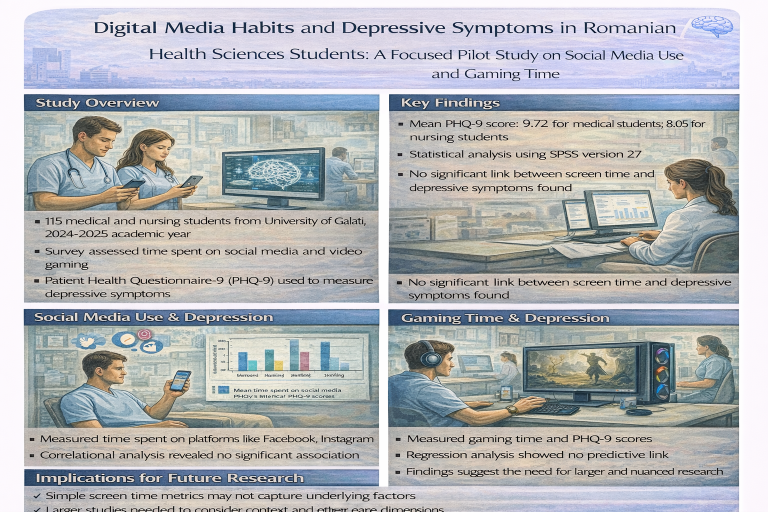
This focused pilot study aimed to explore specific associations between key digital media habits, namely, time spent on social media applications and video gaming, and the severity of depressive symptoms among undergraduate medical and nursing students at the University of Galați during the 2024–2025 academic year. A total of 115 students completed standardised measures assessing time spent on social media and gaming, alongside the Patient Health Questionnaire-9 and data were analysed using SPSS version 27. Descriptive statistics characterised the sample's digital media engagement and varying levels of depressive symptoms (mean PHQ-9 = 9.72 for medical students; mean PHQ-9 = 8.05 for nursing students). Correlational analyses revealed no statistically significant associations between self-reported time spent on social media applications and PHQ-9 scores, nor between time spent on video games and PHQ-9 scores. Regression analyses further indicated that specific screen time metrics were not significant predictors of depressive symptom severity. These findings suggest that screen time, in isolation, may not adequately capture the complexities of mental health outcomes in this population, highlighting the need for larger, more nuanced studies that investigate additional dimensions of digital engagement and contextual factors pertinent to student mental health in Romania.
Disclaimer: This image was generated using artificial intelligence and may contain inaccuracies or inconsistencies.
It is provided solely as a visual aid to facilitate the rapid understanding of the key ideas presented
in this article. Our editorial team conducts ongoing reviews of AI-generated images and will correct
or replace them whenever an error or discrepancy is identified or reported.
Authors:
Alexandru
Ungurianu
, Anamaria
Ciubară
, Oana
Roxana Ciobotaru
Abstract:
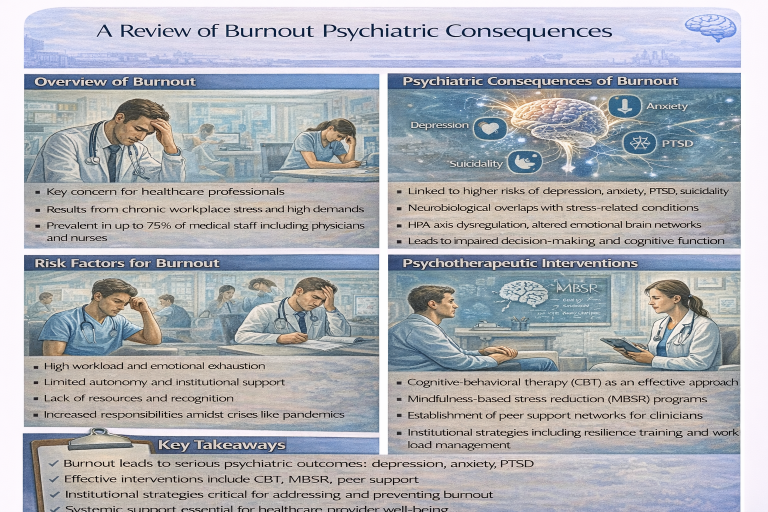
Burnout in healthcare professionals is a critical occupational health concern with significant psychiatric implications. It is strongly linked to higher risks of depression, anxiety, PTSD, and suicidality. This systematic review synthesises existing literature on the prevalence, risk factors, mental health consequences, and psychotherapeutic interventions for burnout in healthcare professionals, integrating findings from seven included studies. A systematic literature search was conducted across three major databases (PubMed, Web of Science, and Google Scholar) in accordance with PRISMA 2020 standardised guidelines. Eligible studies included systematic reviews, meta-analyses, and observational studies (cross-sectional, group, and case-control) published within the last five years. The initial search yielded 5,000 articles, of which 1,200 duplicates were removed. After title, abstract and content screening, 100 full-text articles were assessed for eligibility. Ultimately, seven studies met the inclusion criteria and were included in this review. The burnout prevalence varied significantly across studies, with reported rates ranging from 30% to 75%, particularly among physicians, nurses, and emergency healthcare workers. The most frequently identified risk factors included high workload, emotional exhaustion, limited autonomy, and inadequate institutional support. Notably, burnout was found to correlate with psychiatric symptoms, including increased rates of major depressive disorder, generalised anxiety disorder, PTSD, and suicidal ideation. Neurobiological findings suggest that burnout shares common pathways with stress-related psychiatric conditions, including dysregulation of the hypothalamic-pituitary-adrenal (HPA) axis and altered connectivity in brain regions associated with emotional regulation. The consequences of burnout extended beyond mental health deterioration to include cognitive impairment, impaired clinical decision-making, and higher medical error rates, posing risks to both healthcare providers and patients. Despite the severity of these outcomes, several interventions demonstrated effectiveness in mitigating burnout and its psychiatric sequelae. These included structured cognitive-behavioural therapy (CBT), mindfulness-based stress reduction (MBSR), peer support networks, and resilience training programmes. Institutional strategies, such as workload redistribution and mental health screening, were also found to be beneficial in preventing the escalation of burnout into more severe psychiatric disorders. The burnout syndrome represents a significant psychiatric and occupational health crisis in healthcare, necessitating targeted interventions at both individual and systemic levels. The integration of mental health screening protocols, early psychiatric intervention, and structured psychological support, within healthcare settings can play a pivotal role in preventing burnout-related mental health disorders. Future research should prioritise longitudinal studies and multimodal approaches—incorporating neuroimaging, biomarker analysis, and real-time monitoring—to better understand the psychiatric dimensions of burnout and develop sustainable intervention frameworks.
Disclaimer: This image was generated using artificial intelligence and may contain inaccuracies or inconsistencies.
It is provided solely as a visual aid to facilitate the rapid understanding of the key ideas presented
in this article. Our editorial team conducts ongoing reviews of AI-generated images and will correct
or replace them whenever an error or discrepancy is identified or reported.
Authors:
Camelia
Ancuta
, Anamaria
Ciubara
, Daniela
Mosoiu
Abstract:
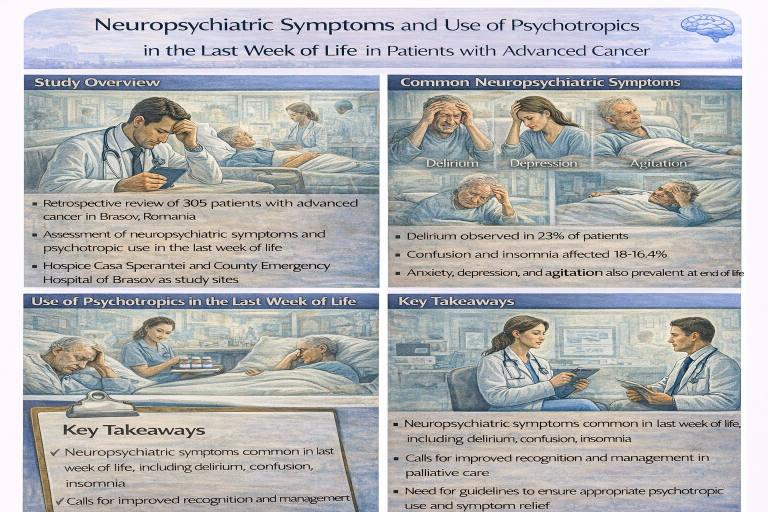
Neuropsychiatric symptoms such as delirium, anxiety, depression, and agitation are prevalent among cancer patients at the end of life, significantly impacting quality of life for both patients and caregivers. Despite their clinical importance, these symptoms are often underrecognised and undertreated. This study aims to assess the frequency of neuropsychiatric symptoms and use of psychotropics in the last week of life in patients with advanced cancer. We conducted a retrospective review of medical records from adult cancer patients who died between January 1, 2024 and September 31, 2024, at Hospice Casa Sperantei and County Emergency Hospital of Brasov, Romania. Data collected included demographic information, documented neuropsychiatric symptoms, and psychotropic prescriptions in the last week of life. Descriptive statistics and subgroup analyses were used to assess symptom prevalence and prescribing trends. Among 305 patients included in the analysis, 70 (23%) had delirium, 55 (18%) had confusion, and 50 (16.4%) had insomnia. The main risk factors for delirium were nausea and constipation. The most used psychotropics in the last week of life were Haloperidol, Midazolam, and Lorazepam, but the patterns of prescribing varied by care setting. These findings highlight the need for improved recognition and management of psychiatric symptoms in palliative care, as well as the development of evidence-based prescribing guidelines to support appropriate and effective psychotropic use in this vulnerable population.
Disclaimer: This image was generated using artificial intelligence and may contain inaccuracies or inconsistencies.
It is provided solely as a visual aid to facilitate the rapid understanding of the key ideas presented
in this article. Our editorial team conducts ongoing reviews of AI-generated images and will correct
or replace them whenever an error or discrepancy is identified or reported.
Authors:
Andreea
Cătălina Moroșan
, George
Cătălin Moroșan
, Ana
Maria Dumitrescu
, Diana
Maria Ichim
, Lucia
Corina Dima Cozma
, Roxana
Chirița
Abstract:
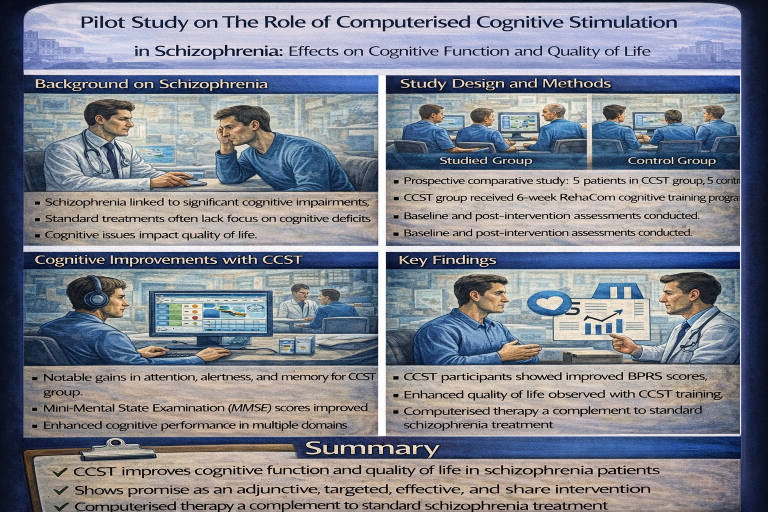
Background/Objectives: Schizophrenia is a severe mental disorder frequently associated with cognitive impairments that negatively impact patients’ functional outcomes and quality of life. Standard pharmacological treatments primarily address positive symptoms, while cognitive deficits remain insufficiently targeted. This study aimed to assess the effectiveness of computer-assisted cognitive stimulation therapy (CCST) in improving cognitive performance, psychiatric symptoms, and quality of life in patients with schizophrenia. Methods: We conducted a prospective, comparative observational study involving two groups of clinically stable patients diagnosed with schizophrenia. The studied group (n=5) underwent a 6-week individualized CCST program using RehaCom software (12 sessions, twice weekly), while the control group (n=5) received no cognitive training and had no psychiatric conditions. Assessments were conducted at baseline and post-intervention using the Mini-Mental State Examination (MMSE), Brief Psychiatric Rating Scale (BPRS), Quality of Life Inventory (QOLI), and RehaCom cognitive screening across nine domains. Results: Participants in the studied group exhibited noticeable improvements in multiple cognitive domains (particularly in alertness, distributed attention, and working memory) as well as enhanced scores on psychiatric and quality of life assessments. Conclusions: Computer-assisted cognitive stimulation may serve as a promising complementary intervention to enhance cognitive function and psychosocial well-being in patients with schizophrenia. The individualized nature of the training supports its applicability in clinical settings. Further randomized studies with larger samples and extended follow-up periods are encouraged.











 ▲
▲