BRAIN. Broad Research in Artificial Intelligence and Neuroscience | Vol. 17, Issue 1
Published: March 19, 2026.
DOI: http://dx.doi.org/10.70594/brain/17.1
In this issue, we include works originating from Europe, Asia, and Africa. The authors represent academic institutions and research centers from Romania, Ukraine, Poland, China, United Kingdom, India, Turkey, Morocco, Bulgaria, Greece, Czech Republic, Italy, Lithuania, North Cyprus, Kazakhstan, and Pakistan.
The structure of the journal, organized into four major categories, reflects the breadth and emerging directions of contemporary research.
𝑨. 𝑨𝒓𝒕𝒊𝒇𝒊𝒄𝒊𝒂𝒍 𝑰𝒏𝒕𝒆𝒍𝒍𝒊𝒈𝒆𝒏𝒄𝒆, 𝑺𝒐𝒄𝒊𝒆𝒕𝒚 & 𝑫𝒊𝒈𝒊𝒕𝒂𝒍 𝑰𝒏𝒏𝒐𝒗𝒂𝒕𝒊𝒐𝒏
𝑩. 𝑵𝒆𝒖𝒓𝒐𝒔𝒄𝒊𝒆𝒏𝒄𝒆𝒔 𝒊𝒏 𝒕𝒉𝒆 𝑨𝒈𝒆 𝒐𝒇 𝑨𝑰
𝑪. 𝑩𝒊𝒐𝒎𝒆𝒅𝒊𝒄𝒂𝒍 & 𝑪𝒍𝒊𝒏𝒊𝒄𝒂𝒍 𝑨𝑰 𝑨𝒑𝒑𝒍𝒊𝒄𝒂𝒕𝒊𝒐𝒏𝒔
𝑫. 𝑷𝒔𝒚𝒄𝒉𝒐𝒍𝒐𝒈𝒚, 𝑷𝒔𝒚𝒄𝒉𝒐𝒕𝒉𝒆𝒓𝒂𝒑𝒚, 𝑪𝒍𝒊𝒏𝒊𝒄𝒂𝒍 𝑵𝒆𝒖𝒓𝒐𝒔𝒄𝒊𝒆𝒏𝒄𝒆 & 𝑴𝒆𝒏𝒕𝒂𝒍 𝑯𝒆𝒂𝒍𝒕𝒉
Disclaimer: These images were generated using artificial intelligence and may contain inaccuracies or inconsistencies.
They are provided solely as a visual aid to facilitate the rapid understanding of the key ideas presented
in these article. Our editorial team conducts ongoing reviews of AI-generated images and will correct
or replace them whenever an error or discrepancy is identified or reported.
Authors:
Bogdan
Patrut
Abstract:
BRAIN-Broad Research in Artificial Intelligence and Neuroscience aims to create links between researchers from apparently different scientific fields, such as Computer Science and Neurology. In fact, many topics, such as Artificial Intelligence, Cognitive Sciences, and Neurosciences, can intersect in the study of the brain and its intelligence functions.
Our journal contains peer-reviewed articles. These should be original and unpublished works by the authors. The peer review process is conducted anonymously, with reviewers being well-recognised scientists from our scientific board, as well as independent experts.
Some innovative young researchers from around the world had the idea to edit and publish in the BRAIN journal in order to make an agora of an interdisciplinary study of the brain. Young scientists and seniors in artificial intelligence, cognitive sciences, and neurology fields are expected to publish their original works in our journal.
BRAIN Journal is an open-source journal, dedicated to promoting the latest scientific news in the field of multidisciplinary studies of the brain, consciousness, and their connection with artificial intelligence.
BRAIN Journal supports research and novelty in health, medicine, and the life sciences.
Artificial Intelligence, Society & Digital Innovation
Disclaimer: This image was generated using artificial intelligence and may contain inaccuracies or inconsistencies.
It is provided solely as a visual aid to facilitate the rapid understanding of the key ideas presented
in this article. Our editorial team conducts ongoing reviews of AI-generated images and will correct
or replace them whenever an error or discrepancy is identified or reported.
Authors:
Amil
Dar
, Faisal
Riaz
Abstract:
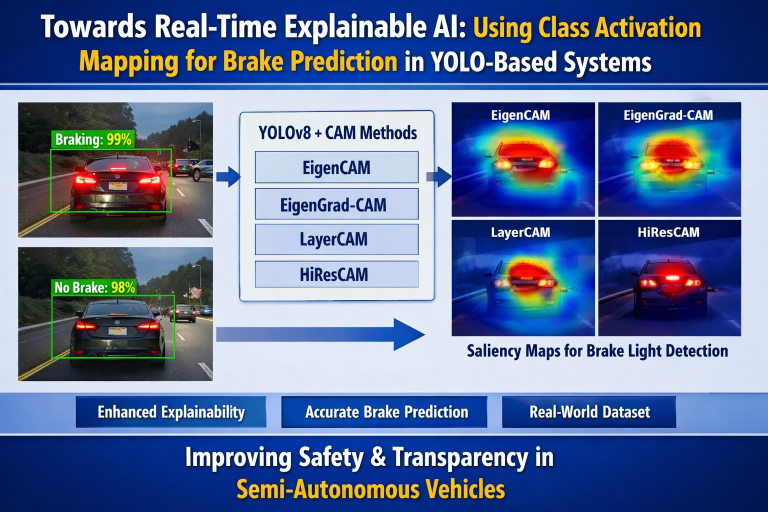
Predicting brake light activation in semi-autonomous vehicles (SAVs) is critical for improving road safety and optimising adaptive cruise control (ACC) systems. Despite the remarkable performance of deep learning-based object detectors such as YOLOv8, their inherent opacity in decision-making processes limits transparency, interpretability, and user trust factors essential for the deployment of safety-critical systems. This study introduces a novel, explainable framework that integrates state-of-the-art attribution-based explainability techniques, including EigenCAM, EigenGrad-CAM, LayerCAM, and HiResCAM, into the YOLOv8 architecture. The proposed framework systematically analyses activation patterns within the model, generating fine-grained saliency maps that highlight the spatial regions most influential in brake light detection. Using a real-world vehicle dataset comprising diverse lighting and environmental conditions, the model is fine-tuned to predict binary brake light states (car_BrakeOn and car_BrakeOff). Comparative experiments demonstrate the ability of these CAM-based methods to provide interpretable visual explanations while maintaining detection accuracy. This study is the first to explore the integration of explainability techniques within YOLO-based brake light detection systems for semi-autonomous vehicles (SAE Levels 2 and 3), addressing a critical gap in the literature. By bridging the divide between black-box AI models and human-understandable reasoning, this research promotes transparency, accountability, and user trust in AI-driven perception systems for intelligent transportation. The findings contribute a foundational step toward the broader adoption of explainable and reliable AI in safety-critical SAV applications.
Disclaimer: This image was generated using artificial intelligence and may contain inaccuracies or inconsistencies.
It is provided solely as a visual aid to facilitate the rapid understanding of the key ideas presented
in this article. Our editorial team conducts ongoing reviews of AI-generated images and will correct
or replace them whenever an error or discrepancy is identified or reported.
Authors:
Pratiksha
Deshmukh
, Harshali
Patil
Abstract:
Background: The automated Emotion Recognition (ER) method has gained popularity in several applications, namely, psychology and mental health. To accomplish this goal, deep learning algorithms are employed. These algorithms extract the appropriate features from the dataset images and recognise the emotions.
Methodology: In this paper, we have developed an emotion recognition method based on the Convolutional Neural Network (CNN). Furthermore, the main focus is on hyper-tuning the learning parameters of the CNN algorithm using the metaheuristic Black Widow Optimisation (BWO) to enhance the recognition accuracy. The BWO algorithm is based on the mating process of black widow spiders and provides a better convergence rate to find the optimal solution than other metaheuristic algorithms.
Results: The proposed method was simulated on the FER2013 dataset. The dataset was split into a 70:30 ratio. This reflects that 70% of the dataset was used for training purposes, whereas 30% of the dataset was utilised for testing purposes. The proposed method shows impressive results in recognising various emotions and achieves high values for the performance metrics, such as an average accuracy value of 0.99392, a precision value of 0.98467, a recall value of 0.98117, and an F1-score value of 0.96731. Finally, we have performed the comparative analysis of the presented approach with existing studies. The result shows that we have achieved better results due to employing the hyper-tuning strategy in the proposed method.
Conclusion and Recommendation: The proposed ER method is effectively recognising the different emotions. However, the same dataset was used for training and testing purposes, which negatively impacts the robustness and generalisation. Therefore, in the future, we will combine multiple datasets and balance them to evaluate the effectiveness of the proposed method.
Disclaimer: This image was generated using artificial intelligence and may contain inaccuracies or inconsistencies.
It is provided solely as a visual aid to facilitate the rapid understanding of the key ideas presented
in this article. Our editorial team conducts ongoing reviews of AI-generated images and will correct
or replace them whenever an error or discrepancy is identified or reported.
Authors:
Alexandra
Raluca Jelea
, Iuliana
Obreja
, Adriana
Manolica
, Cristina
Teodora Roman
Abstract:
In today’s world, where the digital environment shapes everyday life, understanding smart consumers and their use of technology becomes essential for analysing digital consumption behaviour. Thus, this study aims to investigate the technology consumption of generations Y and Z, focusing on how they use devices connected to the Internet of Things. The research is based on a quantitative method, using an online questionnaire that generated 195 valid responses, and the data analysis focused on the differences between generations and genders in terms of time spent online, the number of influencers followed, and the types of devices predominantly used. Accordingly, statistical analyses such as regressions, t-tests, one-way ANOVA, and factor analysis were applied. The results highlight a correlation between the type of activities carried out and the preferred environment: people who spend more time online tend to carry out multiple activities in this space, while individuals who are more active offline show a marked preference for offline activities. Furthermore, Generation Y tends to adopt technology from a pragmatic perspective, while for Generation Z it represents a source of entertainment and socialisation. In particular, these findings contribute to a better understanding of the behavioural differences between Generations Y and Z in the context of technology consumption and IoT adoption.
Disclaimer: This image was generated using artificial intelligence and may contain inaccuracies or inconsistencies.
It is provided solely as a visual aid to facilitate the rapid understanding of the key ideas presented
in this article. Our editorial team conducts ongoing reviews of AI-generated images and will correct
or replace them whenever an error or discrepancy is identified or reported.
Authors:
Tolga
Yeşil
Abstract:
In this study, ChatGPT was instructed to produce a case study aligned with the learning outcomes defined in the course information package for the cost accounting course , and subsequent prompts were developed based on the created case. The main research question of the study is to investigate the level of effectiveness and the pedagogical effects of using ChatGPT, an artificial intelligence–supported learning tools, in cost accounting education. The research followed a qualitative design grounded in a case study approach reflecting the learning process in the cost accounting course. Findings show that ChatGPT’s responses were effective, and future studies could broaden the research process. This study demonstrates how ChatGPT can be integrated into traditional cost accounting education and highlights the pedagogical potential of AI-supported case study design. The findings indicate that cost accounting education extends beyond numerical data to include critical thinking as well as ethical and empathetic dimensions.
Disclaimer: This image was generated using artificial intelligence and may contain inaccuracies or inconsistencies.
It is provided solely as a visual aid to facilitate the rapid understanding of the key ideas presented
in this article. Our editorial team conducts ongoing reviews of AI-generated images and will correct
or replace them whenever an error or discrepancy is identified or reported.
Authors:
Nataliia
Nochovna
, Halyna
Leshchuk
, Liudmyla
Yasnohurska
, Olha
Kanibolotska
, Kateryna
Shykhnenko
, Kateryna
Rybakova
Abstract:
The relevance of this article lies in its focus on how secondary and higher education institutions have adapted to rapidly evolving educational conditions. These changes resulted from the COVID-19 pandemic, the war in the country, and the forced move towards distance learning. As a result, both students and teachers were required to adopt digital technologies across all academic disciplines. Online education also created several obstacles. Some regions faced limited technical infrastructure and lacked high-speed internet. Organising lessons in a virtual environment often proved challenging. At the same time, teachers were able to make more systematic use of digital tools. These included online courses, e-textbooks, educational videos, and other resources. This article aims to study how digital technologies facilitate the process of foreign language learning. It is also important to define the concept of digital technologies and their pedagogical value. Furthermore, the article examines how insights from neuroscience-informed teaching can enhance the effective use of these tools. Finally, it suggests some practical ways of introducing digital resources into foreign language instruction. A comprehensive analysis demonstrates that these resources can significantly improve the teaching and learning of foreign languages.
Disclaimer: This image was generated using artificial intelligence and may contain inaccuracies or inconsistencies.
It is provided solely as a visual aid to facilitate the rapid understanding of the key ideas presented
in this article. Our editorial team conducts ongoing reviews of AI-generated images and will correct
or replace them whenever an error or discrepancy is identified or reported.
Authors:
Ipek
Maasoglu
, Didem
Islek
Abstract:
This research examines how AI-powered educational technologies are perceived by academic staff in higher education. The study highlights issues of pedagogical integration, ethical implications, and transparency. Using a phenomenological design from qualitative research, semi-structured interviews were conducted with 90 faculty members. The findings reveal that AI-supported applications facilitate personalised learning, increase student motivation, and improve time efficiency in teaching processes. The results also highlight the automation of repetitive tasks and the alleviation of teaching workload through targeted feedback. However, participants also expressed concerns such as a lack of algorithmic transparency, data uncertainty, and limited support for complex pedagogical tasks by AI. The research emphasises the need for systematic and ethically conscious integration of AI into education. It also points to the importance of future research on algorithmic literacy, pedagogical compatibility, and ethical use.
Disclaimer: This image was generated using artificial intelligence and may contain inaccuracies or inconsistencies.
It is provided solely as a visual aid to facilitate the rapid understanding of the key ideas presented
in this article. Our editorial team conducts ongoing reviews of AI-generated images and will correct
or replace them whenever an error or discrepancy is identified or reported.
Authors:
Anita
Stoyanova
, Ivanka
Marasheva-Delinova
, Emil
Delinov
Abstract:
This paper explores the transformation of the educational process under the influence of Generative Artificial Intelligence (AI) through a comparative analysis between high school students in the International Baccalaureate (IB) programmes and university students in technical and economic specialties at Trakia University. A mixed-methods research design was employed, incorporating qualitative reflection through essays and a quantitative and qualitative survey. The results reveal that both groups perceive AI as a "cognitive partner," albeit with a different focus: high school students use it for conceptual understanding, while university students utilise it for professional optimisation. The study identifies a critical need for developing "AI literacy" and an ethical framework to prevent the risk of cognitive atrophy by shifting the focus from the final product to the intellectual process. The article addresses the potential of AI for personalised learning and automation, while simultaneously analysing risks such as technological dependence, lack of human emotional connection, data privacy concerns, and the impact on young brain development. It also emphasises the importance of "Prompt Engineering" as a new foundational skill in the modern digital era.
Disclaimer: This image was generated using artificial intelligence and may contain inaccuracies or inconsistencies.
It is provided solely as a visual aid to facilitate the rapid understanding of the key ideas presented
in this article. Our editorial team conducts ongoing reviews of AI-generated images and will correct
or replace them whenever an error or discrepancy is identified or reported.
Authors:
Derman
Bulunc
, Gokmen
Dagli
, Fahriye
Altinay
, Zehra
Altinay
, Tanem
Ozaygin
Abstract:
The ability to use artificial intelligence applications, particularly in mathematics lessons, for classroom management is becoming increasingly important for educational institutions. Digital developments in mathematics education can change teachers' roles in the classroom, teaching methods and techniques, and, most importantly, learning environments. The integration of artificial intelligence applications into educational fields and processes offers various opportunities for observing students individually and increasing interactions within the classroom. Classroom management applications incorporating artificial intelligence systems can make learning environments more equitable and effective. Furthermore, artificial intelligence applications can alleviate teachers' roles and add innovative dimensions to pedagogical decision-making processes. However, alongside these advantages, artificial intelligence applications can also bring to light debates concerning ethics, privacy, and teacher-student interactions. This research aimed to comprehensively evaluate how 20 participants (5 school administrators and 15 primary school teachers) working in the Turkish Republic of Northern Cyprus (TRNC) used artificial intelligence applications in mathematics classroom management and the effects of this use on classroom management. The phenomenology research design from qualitative research methods was used in the research. A semi-structured interview guide was used to collect data. The data were then examined using descriptive analysis and categorised in terms of the perceived positive and negative contributions of artificial intelligence to classroom management and the conditions of application. As the study was conducted with only 20 participants working in the district of Nicosia, it has limitations in terms of generalisability. In conclusion, it was found that artificial intelligence technologies may have both positive and negative effects on mathematics classroom management, and that schools' equipment is inadequate. It was recommended that teachers and administrators receive in-service training.
Disclaimer: This image was generated using artificial intelligence and may contain inaccuracies or inconsistencies.
It is provided solely as a visual aid to facilitate the rapid understanding of the key ideas presented
in this article. Our editorial team conducts ongoing reviews of AI-generated images and will correct
or replace them whenever an error or discrepancy is identified or reported.
Authors:
Natalya
Bidyuk
, Mariia
Soter
, Larysa
Lipshyts
, Dmytro
Kuiavets
, Maryna
Antoniuk
, Kateryna
Rybakova
, Borys
Maksymchuk
Abstract:
Modern society needs specialists who are ready to work in a high-tech professional environment. The use of augmented reality and virtual reality technologies is a key area of professional development in the near future, including within educational institutions, to optimise the process of forming students' professional competence in the context of learning English. The purpose of the article is to study and analyse the existing experience of using educational technologies of augmented and virtual reality in teaching a foreign language. Methodology and methods: the lack of a sufficient research base dedicated directly to the experience of implementing AR and VR technologies in teaching foreign languages to university students led to the choice of a comprehensive research methodology: theoretical analysis of scientific and pedagogical literature on the topic of the study, description and analysis of the research results. As a result, the article analyses the use of augmented and virtual reality technologies in teaching foreign languages, their purpose and functions. The advantages and disadvantages of augmented and virtual reality technologies are reflected. Conclusions: the study demonstrated that educational technologies are potentially effective in teaching foreign languages at universities, and many of their shortcomings can be eliminated in the coming years in the context of neuropedagogical technologies.
Disclaimer: This image was generated using artificial intelligence and may contain inaccuracies or inconsistencies.
It is provided solely as a visual aid to facilitate the rapid understanding of the key ideas presented
in this article. Our editorial team conducts ongoing reviews of AI-generated images and will correct
or replace them whenever an error or discrepancy is identified or reported.
Authors:
Fahriye
Altinay
, Gokmen
Dagli
, Rustam
Shadiev
, Zehra
Altinay
, İslam
Suiçmez
, Nurassyl
Kerimbayev
Abstract:
Recent advancements in artificial intelligence (AI) have significantly permeated educational systems, reshaping pedagogical approaches, student engagement, and support mechanisms. This study addresses this research void by evaluating the role of AI in advancing students’ emotional intelligence. This study employs bibliometric analysis, to synthesises prevailing literature and delineate emerging patterns, technological implementations, and unresolved obstacles at the AI-EI nexus. In addition to this, it examines the role of AI in facilitating students' emotional intelligence development in educational contexts. Bibliometric analysis to establish the existing body of knowledge and self- reflection data from 260 students of the university's Faculty of Education were used. The self-reflections were analysed using the content analysis method. As a result of the research, it was determined that the number of studies conducted after 2021 increased and that the studies most frequently contributed to SDG 3 (Good Health and Well-being). In line with the participants' opinions, it was concluded that artificial intelligence should be developed in perceiving emotions, and that artificial intelligence can provide personalised, empathy-oriented and guiding support while developing students' emotional intelligence. Moreover, the study underscores the significance of integrating AI-supported emotional intelligence development within the framework of sustainable education. By fostering students’ social-emotional competencies, AI not only enhances individual well-being but also contributes to the broader agenda of sustainable development, particularly in promoting inclusive, equitable, and quality education (SDG 4) and ensuring good health and well-being (SDG 3). These findings highlight the potential of AI-driven emotional intelligence support systems to strengthen the resilience of future generations, thereby aligning with the goals of environmental sustainability and sustainable societal development.
Disclaimer: This image was generated using artificial intelligence and may contain inaccuracies or inconsistencies.
It is provided solely as a visual aid to facilitate the rapid understanding of the key ideas presented
in this article. Our editorial team conducts ongoing reviews of AI-generated images and will correct
or replace them whenever an error or discrepancy is identified or reported.
Authors:
Yanina
Karlinska
, Anatolii
Maksymchuk
, Daryna
Pohosian
, Olga
Kacherova
, Yevheniia
Shunevych
, Lilia
Savchin
Abstract:
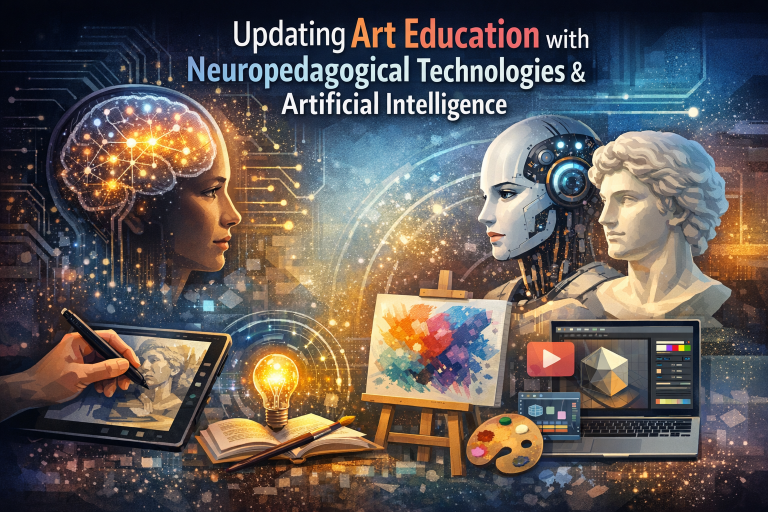
This article emphasises the need to modernise art education by integrating neuropedagogical technologies and artificial intelligence (AI). Indeed, neuroscientific achievements (neurophysiological, neurobiological, neuropsychological, and neurosurgical) and AI have an enormous impact on people’s everyday lives, especially in education. Neuropedagogy is a higher, current level of classical pedagogy. It recognises the achievements of education, pedagogy and psychology, as well as selects, refines and develops its most successful methods. Besides, this science proposes and implements new methods more effective and comprehensible for students. Importantly, the article shows how one can update art education by implementing design education and ensuring digitalisation. The main goal of art and design education is to prepare a qualified specialist. This specialist should be capable of gaining cultural experience and applying the latest technologies, including digital tools. This is made possible through the use of neuropedagogical technologies and AI, with attention to the effectiveness of their implementation. Using multimedia technologies and AI plays a key role in updating art education by integrating neuropedagogical technologies. This approach strengthens the visual perception of the learning process. It also brings transformative changes to art education by emphasising the core educational aspects. These changes are guided by the influence of neuropedagogical principles.
Disclaimer: This image was generated using artificial intelligence and may contain inaccuracies or inconsistencies.
It is provided solely as a visual aid to facilitate the rapid understanding of the key ideas presented
in this article. Our editorial team conducts ongoing reviews of AI-generated images and will correct
or replace them whenever an error or discrepancy is identified or reported.
Authors:
Monica
Pătruț
Abstract:
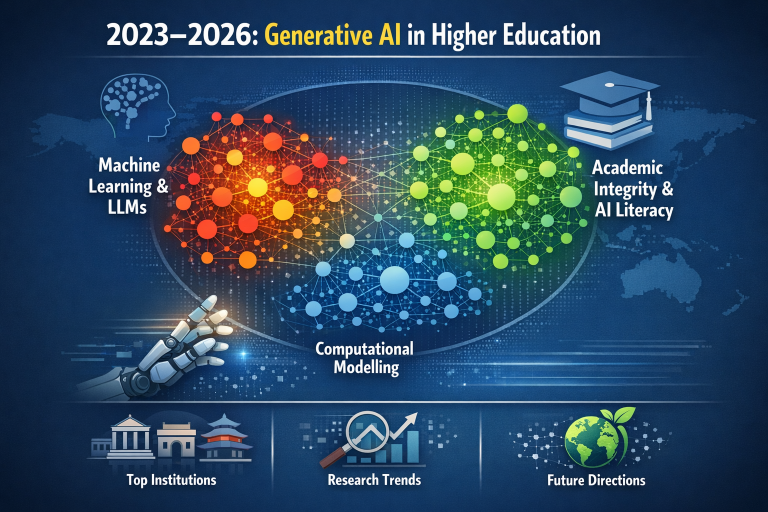
The launch of ChatGPT at the end of 2022 significantly accelerated research on generative artificial intelligence (GenAI) in higher education. This study conducts a bibliometric analysis of publications indexed in Web of Science during the period 2023–1 February 2026, using VOSviewer to identify dominant thematic structures, influential actors, and emerging institutional networks. The results indicate a field that remains predominantly technologically oriented, organised around three major clusters: large language models and machine learning, computational modelling and optimisation, and the educational dimension, centred on academic integrity and AI literacy. Although pedagogical interest is increasing, conceptual centrality remains concentrated around technological infrastructure. The institutional analysis highlights the role of elite universities in the United States, Asia, and Europe. The period 2023–2024 can be interpreted as a transition from technological validation and ethical concerns towards institutional and curricular integration. Overall, the study provides a structural perspective on the early post-ChatGPT phase and outlines future directions concerning sustainability and AI-assisted educational transformation.
Neuroscience in the Age of Artificial Intelligence
Disclaimer: This image was generated using artificial intelligence and may contain inaccuracies or inconsistencies.
It is provided solely as a visual aid to facilitate the rapid understanding of the key ideas presented
in this article. Our editorial team conducts ongoing reviews of AI-generated images and will correct
or replace them whenever an error or discrepancy is identified or reported.
Authors:
Ioannis
Mavroudis
, Theologos
Vavdinoudis
, Dimitrios
Kalifatidis
, Ramona
Alexandra Ciausu
, Alin
Stelian Ciobica
, Bogdan
Novac
, Otilia
Novac
, Diana
Gheban
Abstract:
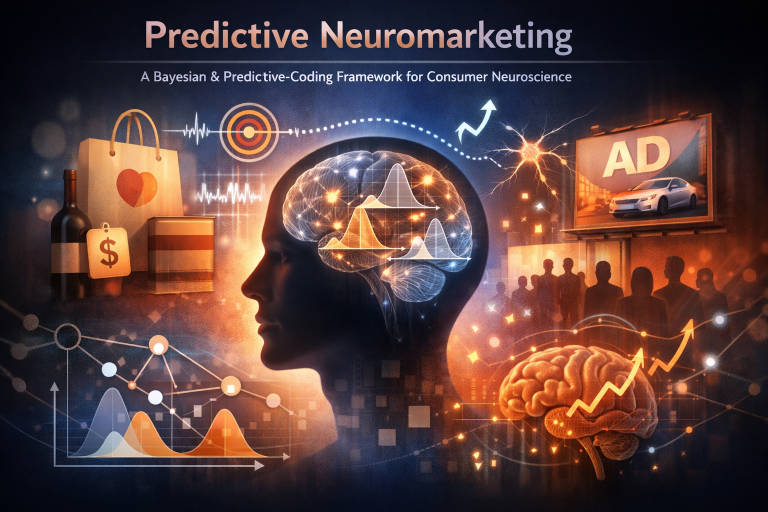
Neuromarketing has emerged as a rapidly expanding field aimed at understanding the neural mechanisms that shape consumer behaviour. Yet despite its empirical success, the field lacks a unifying computational theory. In contrast, cognitive neuroscience increasingly converges on the Bayesian Brain and predictive-coding frameworks, which conceptualise perception, learning, and decision-making as hierarchical predictive processes driven by minimisation of precision-weighted prediction errors. This paper introduces Predictive Neuromarketing, a hybrid neuroscience–marketing paradigm that integrates predictive coding with consumer neuroscience findings. We develop a mathematical framework that formalises consumer expectations, brand priors, price cues, and prediction errors, providing a computational explanation for phenomena such as price placebo effects, brand-identity modulation, electroencephalography (EEG)-based preference prediction, and neuroforecasting of advertising success. We then reinterpret the empirical neuromarketing literature through this lens and propose experimental paradigms to test predictive-coding principles in consumer contexts. By embedding neuromarketing within a rigorous predictive framework, we offer a mechanistic account of how marketing stimuli shape consumer beliefs, valuation, and behaviour. The paper concludes with ethical considerations and a research agenda for advancing Predictive Neuromarketing. The contribution of this worki s the formal integration of consumer neuroscience findings into a cohesive Bayesian and predictive-coding generative model, producing clear, testable computational predictions without introducing additional empirical data.
Disclaimer: This image was generated using artificial intelligence and may contain inaccuracies or inconsistencies.
It is provided solely as a visual aid to facilitate the rapid understanding of the key ideas presented
in this article. Our editorial team conducts ongoing reviews of AI-generated images and will correct
or replace them whenever an error or discrepancy is identified or reported.
Authors:
Oleg
Soloviov
, Yuriy
Dyachenko
, Sergii
Soloviov
, Olga
Litvinova
Abstract:
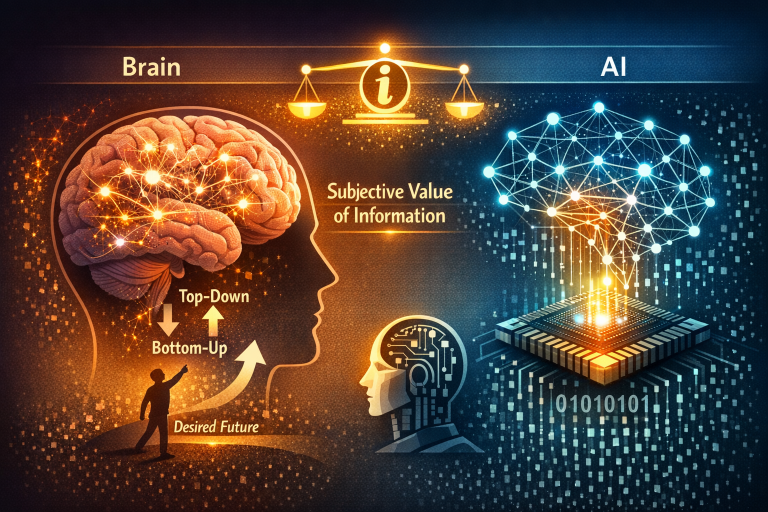
This paper presents a comparative analysis of the causal factors underlying information processing in the neuronal networks of the human brain and in the electrical networks of contemporary artificial intelligence (AI) systems, by physical processing. It is shown that both in the first and in the second of the listed cases the factor of a person's ability to identify the subjective value of information acts as an information-processing operator, that is, as a factor of controlling, determining (orchestrating) the information process. It was found that in the case of AI systems, it should also be considered that the reason and driver of the information process in them is, despite their entirely physical nature, the subjective value of those information processes, which is initiated by a person within the framework of biological or social values. Next, the general information -processing mechanism in neuronal networks of the human brain is described, which in this paper (using the well-known terms of Gazzaniga and Tononi) is called "Bottom-Up and Top-Down mechanism of integration of past experience (information) through subjectively active mental phenomena." Here it is argued that a General Theory of Brain Information Activity cannot be created without considering the functional role of mental phenomena in the brain. The point of view is advocated that, by embodying integrated experience through mental phenomena into the structure of voluntary motor acts, the human subject (agent) can change the surrounding physical world from states of an "undesired present" to states of a "desired future". And this, in turn, testifies to the deep functional and causal connection of physical processes and the psyche, pointing to the modelling (through the phenomenon of information) nature of the psychic. Based on this statement and considering the totally physical nature of modern AI systems, it is argued that the latter remain governed by the subjective values of a person (developer, programmer, and user). The very functional architecture of modern AI remains as a system of choosing one of the most probabilistically correct outputs ("answers", "decisions") on a continuum of combinatory possibilities of a specific technical device, but, in any case, through the subjective values of a person.
Disclaimer: This image was generated using artificial intelligence and may contain inaccuracies or inconsistencies.
It is provided solely as a visual aid to facilitate the rapid understanding of the key ideas presented
in this article. Our editorial team conducts ongoing reviews of AI-generated images and will correct
or replace them whenever an error or discrepancy is identified or reported.
Authors:
Daniela
Marilena Trofin
, Bogdan
Emilian Ignat
, Cristina
Grosu
, Dan
Trofin
, Gabriela
Rusu-Zota
, Andrei
Tutu
, Ana
Onu
, Daniela
Viorelia Matei
Abstract:
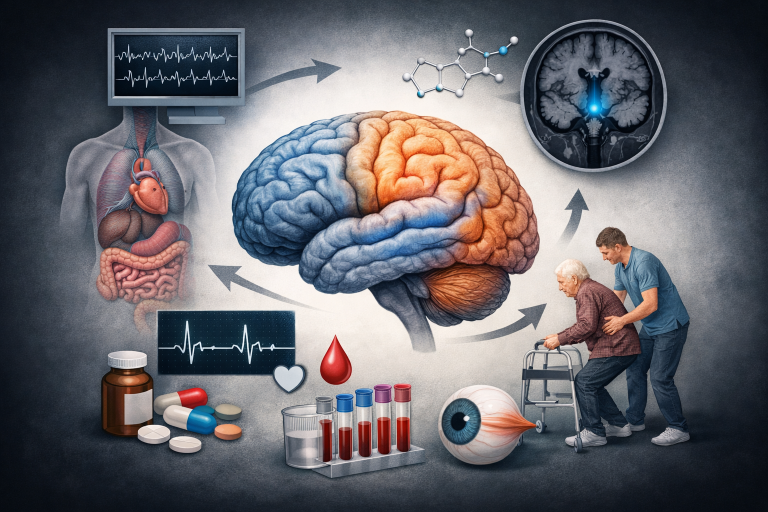
Parkinson’s disease (PD), traditionally considered a motor disorder, also manifests by a wide range of non-motor symptoms (NMS) such as cognitive, mood, autonomic, gastrointestinal, and sensory disturbances, significantly impacting quality of life and complicating diagnosis and management, both in terms of pharmacology and physiotherapy. Degeneration in noradrenergic and serotonergic systems may be key contributors to NMS. These symptoms can appear early, may sometimes precede motor signs, and require individualized assessment and care. Investigations such as MRI of the locus coeruleus, EEG, retinal imaging, and blood-based panels are under investigation to better characterize NMS and disease heterogeneity. Along this interest, heart rate variability (HRV) is a non-invasive marker of autonomic dysfunction in PD, intensively studied nowadays, since it correlates to central and peripheral nervous system changes, also linking autonomic impairment to cognitive decline and cerebrovascular injury. However, HRV interpretation is challenged by methodological variability, medication effects, as well as patient heterogeneity. Pharmacological management of NMS is further complicated by drug interactions, side effects, and multisystem involvement, while physiotherapy must often adapt to challenges coming from autonomic instability, medication timing, and exercise modality. This narrative review aims to provide insight among the management of non-motor manifestations in PD, with emphasis on HRV’s influence.
Disclaimer: This image was generated using artificial intelligence and may contain inaccuracies or inconsistencies.
It is provided solely as a visual aid to facilitate the rapid understanding of the key ideas presented
in this article. Our editorial team conducts ongoing reviews of AI-generated images and will correct
or replace them whenever an error or discrepancy is identified or reported.
Authors:
Vlad
Teodor Iacob
, Ioana
Sorana Cartas
, Dan
Cătălin Oprea
, Irina
Dobrin
, Carmen
Gabriela Lupușoru
, Roxana
Chiriță
Abstract:
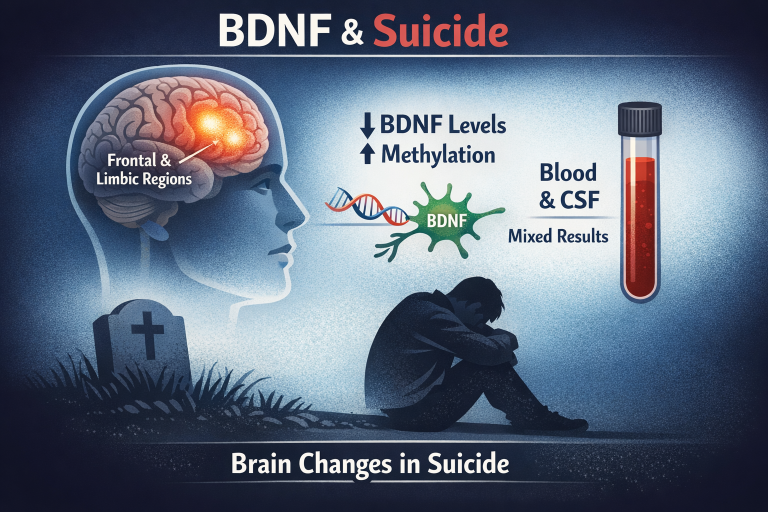
Brain-derived neurotrophic factor (BDNF) has been implicated in the neurobiology of suicide, but findings remain inconsistent. We examined studies comparing BDNF-related measures in individuals who died by suicide and non-suicide controls. ISI Web of Science, Scopus, and Embase were searched from inception through to 31 July 2025 in accordance with PRISMA guidelines. Twenty studies met inclusion criteria. Most analysed postmortem brain tissue, while fewer investigated plasma, whole blood, or cerebrospinal fluid. Postmortem studies frequently reported reduced BDNF protein and/or mRNA expression in frontal and limbic regions. Several also described increased promoter methylation. In contrast, peripheral findings were heterogeneous, and studies of the Val66Met polymorphism did not demonstrate consistent associations with suicide. Overall, evidence supports region-specific alterations of central BDNF signalling in suicide, whereas peripheral and genetic findings remain inconclusive. Methodological variability across studies limits comparability. Larger investigations using standardised protocols are needed to clarify the role of BDNF in suicide mortality.
Disclaimer: This image was generated using artificial intelligence and may contain inaccuracies or inconsistencies.
It is provided solely as a visual aid to facilitate the rapid understanding of the key ideas presented
in this article. Our editorial team conducts ongoing reviews of AI-generated images and will correct
or replace them whenever an error or discrepancy is identified or reported.
Authors:
Teofil
Panc
, Mușata
Dacia Bocoș
, Cristian
Manea
, Mihaela
Neacșu
, Mona
Bădoi-Hammami
, Zorica
Triff
, Corina
Colareza
, Gheorghe
Mihai Bănariu
Abstract:
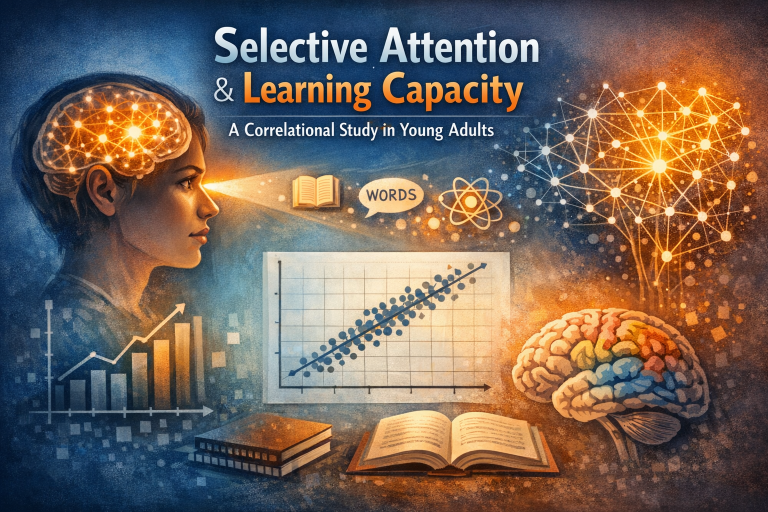
The present study investigates the relationship between selective attention and learning capacity in young adults, grounded in contemporary cognitive and neuropsychological models of information processing. Selective attention is conceptualised as a central executive mechanism responsible for filtering relevant stimuli and inhibiting interference (Broadbent, 1958; Desimone and Duncan, 1995; Petersen and Posner, 2012). Learning efficiency is conceptualised as dependent on attentional gating processes that regulate encoding and consolidation in working and long-term memory systems (Atkinson and Shiffrin, 1968; Baddeley, 2012; Kandel et al., 2014). Results indicate an exceptionally strong positive association between selective attention and verbal learning performance (r = .97, p < .001). Regression analyses suggest that selective attention accounts for a substantial proportion of variance in learning performance within the present sample. Differential analyses further indicate significant gender and residential environmental differences. These findings provide empirical support for theoretical assumptions regarding the central role of executive attention in facilitating encoding and consolidation processes (Engle, 2002; Miller and Cohen, 2001). Implications are discussed in relation to education, cognitive neuroscience, and cognitive performance optimisation.
Biomedical and Clinical Artificial Intelligence Applications
Disclaimer: This image was generated using artificial intelligence and may contain inaccuracies or inconsistencies.
It is provided solely as a visual aid to facilitate the rapid understanding of the key ideas presented
in this article. Our editorial team conducts ongoing reviews of AI-generated images and will correct
or replace them whenever an error or discrepancy is identified or reported.
Authors:
George
Cătălin Moroșan
, Ana
Maria Dumitrescu
, Simona
Alice Partene Vicoleanu
, Nicoleta
Loredana Hilițanu
, Claudia
Florida Costea
, Lucia
Corina Dima Cozma
, Roxana
Mihaela Barbu
, Valeriu
Aurelian Chirica
, Liviu
Ciprian Gavril
, Irina
Florentina Bușilă
, Mihnea
Andrei Popa
, Carmen
Valerica Rîpă
, Roxana
Gabriela Cobzaru
Abstract:
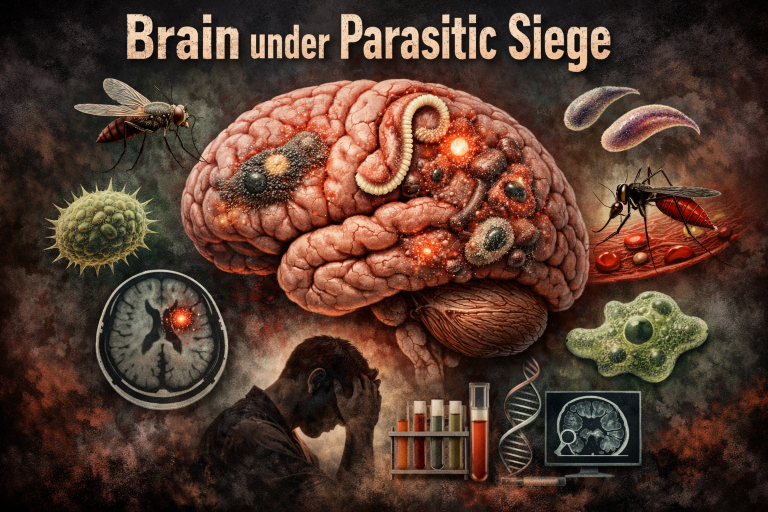
Parasitic infections of the central nervous system (CNS) represent a significant yet frequently under-recognised cause of neurological morbidity and mortality worldwide. These infections are caused by a diverse range of protozoa, helminths, and free-living amoebae and may lead to acute or chronic neurological manifestations through mechanisms including direct neural invasion, immune-mediated inflammation, vascular compromise, and blood–brain barrier disruption. Clinically, neuroparasitic diseases present with a broad spectrum of symptoms, ranging from seizures and focal neurological deficits to encephalopathy, cognitive impairment, and coma. This narrative review synthesises current evidence published between 2000 and 2025 regarding the pathophysiology, clinicopathological features, diagnostic approaches, and management strategies of major neuroparasitic diseases, including cerebral malaria, neurocysticercosis, neurotoxoplasmosis, human African trypanosomiasis, and amoebic encephalitis. Emphasis is placed on integrating clinical presentation with histopathological and neuroimaging findings to support diagnostic reasoning and therapeutic decision-making. Advances in diagnostic methodologies, including molecular techniques, magnetic resonance imaging, and computed tomography are discussed, alongside emerging perspectives on the potential role of artificial intelligence (AI) in diagnostic support and epidemiological modelling. By consolidating dispersed evidence into a unified framework, this review aims to serve as an educational and interdisciplinary reference for clinicians and researchers encountering neuroparasitic diseases in neurological practice.
Disclaimer: This image was generated using artificial intelligence and may contain inaccuracies or inconsistencies.
It is provided solely as a visual aid to facilitate the rapid understanding of the key ideas presented
in this article. Our editorial team conducts ongoing reviews of AI-generated images and will correct
or replace them whenever an error or discrepancy is identified or reported.
Authors:
Tomasz
Tykocki
Abstract:
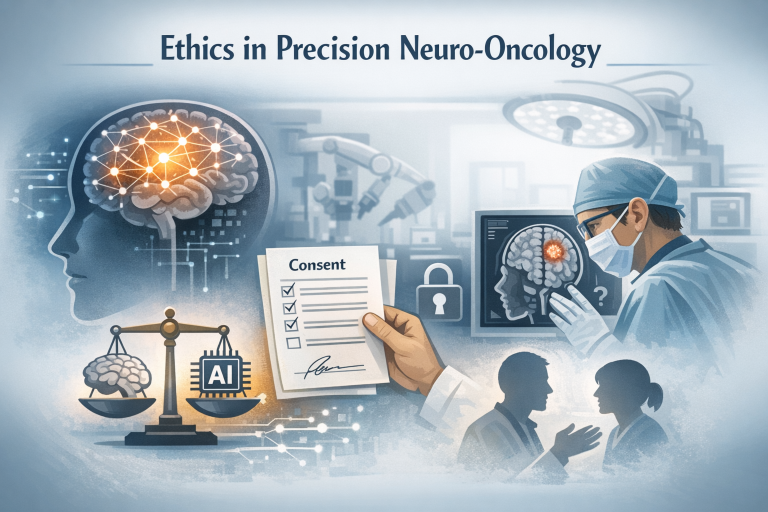
Background: Artificial intelligence (AI) is increasingly embedded in neurosurgical planning, intraoperative workflows, and risk prediction. These developments raise complex ethical concerns about autonomy, informed consent, trust, and responsibility, particularly in precision neuro-oncology, where surgical decisions may affect cognitive and identity-related functions. Empirical evidence on how patients and clinicians understand these issues remains limited.
Methods: A systematic search of PubMed, Embase, Scopus, Web of Science, and PhilPapers (2000–2025) identified original human-participant studies examining AI-assisted neurosurgical decision-making with relevance to autonomy, consent, trust, or responsibility. Inclusion required a neurosurgical context and empirical assessment of patient or clinician perspectives. Data extraction and quality appraisal were performed independently. Due to heterogeneity in study design, narrative synthesis was used.
Results: Six studies (≈1,400 participants) met inclusion criteria. Patients widely accepted AI for imaging support, planning, and risk stratification but rejected autonomous surgical action. Explicit disclosure of AI involvement was considered essential for informed consent. Neurosurgeons expressed optimism regarding analytical benefits yet voiced concerns about algorithmic opacity, automation bias, and medico-legal responsibility, insisting that decision-making authority remain clinician-led. A neuro-oncology–specific study showed that glioma patients may misinterpret probabilistic AI outputs, indicating vulnerability in risk comprehension.
Conclusions: Despite limited empirical literature, consistent themes emerged: AI is ethically acceptable when it augments, rather than replaces, human judgment; transparency is crucial; and neuro-oncology populations require adapted, iterative consent processes. These findings highlight the need for precision ethics alongside precision neurosurgery.
Disclaimer: This image was generated using artificial intelligence and may contain inaccuracies or inconsistencies.
It is provided solely as a visual aid to facilitate the rapid understanding of the key ideas presented
in this article. Our editorial team conducts ongoing reviews of AI-generated images and will correct
or replace them whenever an error or discrepancy is identified or reported.
Authors:
Iustina
Petra Solomon-Condriuc
, Catalina
Georgiana Tudor
, Alexandru
Carauleanu
, Ramona
Alexandra Ciausu
, Dorel
Ureche
, Demetra
Gabriela Socolov
Abstract:
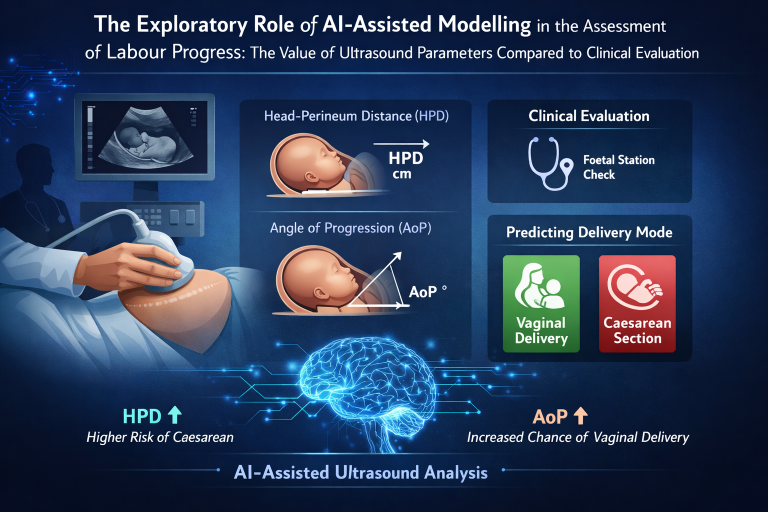
This study analysed the potential of intrapartum ultrasound, enhanced by artificial intelligence (AI)-based interpretation, to optimise labour progress evaluation compared with standard clinical examination.
Methods: Two prospectively collected databases from Cuza Voda Clinical Hospital of Obstetrics and Gynecology were examined: one in the birth room (Eco in Birth Room, 2023-2024) and one during labour (Eco during Labour, 2021-2022). Ultrasound characteristics, namely the Head–Perineum Distance (HPD, cm), the Angle of Progression (AoP, °), the Head–Symphysis Distance (HSD, cm), and foetal station (clinically assessed) were retrieved and compared with clinical outcomes, particularly the mode of delivery (vaginal or caesarean). Data were analysed using R 4.4.2 using the packages tidyverse, readxl, janitor, and stats, logistic regression models were fitted with stats::glm(). No ultrasound images or comprehensive imaging datasets were utilized, and no segmentation algorithms were employed, as the model depended solely on manually acquired quantitative measurements. Predictive performance was measured using simple classification accuracy, which is based on the fraction of properly predicted delivery modes in the same dataset (no cross-validation). This accuracy metric is exploratory and meant to demonstrate the potential utility of AI-assisted quantitative modeling.The selection of logistic regression ensured enhanced transparency and clinical interpretability, thereby facilitating reproducibility and prospective applicability at the bedside.
Results: The Eco during labour dataset (n = 124) showed a mean HPD of 3.65 ± 1.29 and a mean AoP of 124.35 ± 16.18°. The Eco in Birth Room (n = 10) showed a mean HPD of 4.33 ± 1.48 and a mean AoP of 112.70 ± 19.68°. Logistic regression determined that increasing HPD was related with a significantly reduced probability of vaginal delivery and a higher probability of caesarean section (β = -4.71, SE = 1.17, p < 0.001). The AoP had a significant inverse correlation with caesarean delivery (β = -0.25, SE = 0.10, p < 0.001). Each one-degree increase in AoP was related with a 23% reduction in the odds of caesarean section (OR = 0.77, 95% CI 0.66-1.00), demonstrating its importance as a reliable indicator of labour progression.
Conclusion: Ultrasound-derived metrics, notably HPD, and AoP provide objective, quantitative indicators of foetal descent that surpass traditional clinical examination. AI-assisted ultrasound analysis may provide continuous, reproducible monitoring of labour dynamics, helping to individualised obstetric care.
Disclaimer: This image was generated using artificial intelligence and may contain inaccuracies or inconsistencies.
It is provided solely as a visual aid to facilitate the rapid understanding of the key ideas presented
in this article. Our editorial team conducts ongoing reviews of AI-generated images and will correct
or replace them whenever an error or discrepancy is identified or reported.
Authors:
Marina
Olimpia Amărăscu
, Adrian
Daniel Târtea
, Radu
Gabriel Rîcă
, Adrian
Marcel Popescu
, Adina
Magdalena Bunget
, Cristina
Maria Munteanu
, Elena
Cristina Andrei
, Stelian
Mihai Sever Petrescu
, Cristian
Marius Băcanu
, Mihaela
Ionescu
Abstract:
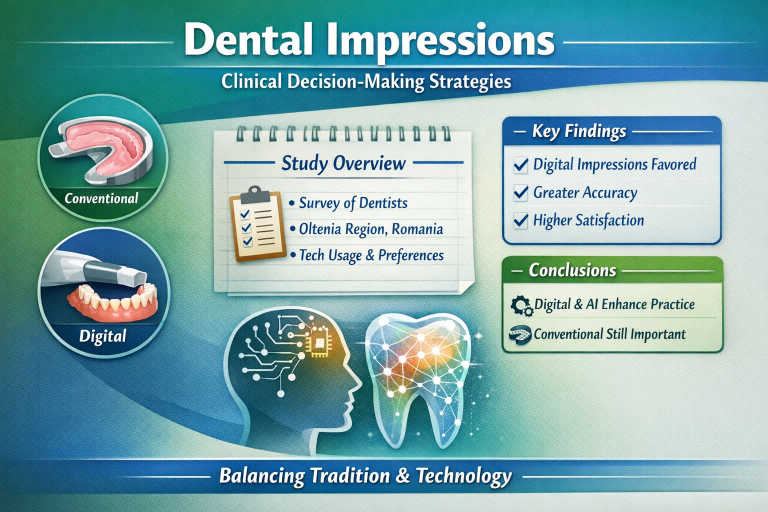
Materials and Methods: This paper approaches a cross-sectional study that used a structured online questionnaire with 16 items, distributed to dentists in the Oltenia region of Romania along with a bibliometric section on Conceptual and Cognitive Frameworks for Clinical Decision-Making in Digital Dentistry and the role of Artificial Intelligence. The empirical study collected demographic data and assessed the use of conventional and digital impression techniques, perceived advantages and limitations, professional satisfaction and attitudes towards future technological integration. Statistical analyses explored the associations between clinician characteristics, technology use and decision-making preferences. Results: Digital impression techniques were accepted, especially among urban dentists aged 36 to 45. Their use was associated with greater clinical accuracy, improved patient comfort, and significant professional satisfaction. Experience with digital technologies significantly influenced physicians’ willingness to adopt and recommend digital workflows, highlighting the role of human-technology interaction in clinical decision-making. Conclusions: Digital impressions are key components of emerging dental workflows, supported by artificial intelligence, improving decision-making and practice efficiency. Conventional impression techniques remain essential in certain clinical contexts due to their proven reliability.
Disclaimer: This image was generated using artificial intelligence and may contain inaccuracies or inconsistencies.
It is provided solely as a visual aid to facilitate the rapid understanding of the key ideas presented
in this article. Our editorial team conducts ongoing reviews of AI-generated images and will correct
or replace them whenever an error or discrepancy is identified or reported.
Authors:
Xinli
Qu
, Hui
Xiong
, Shaoshuai
Fang
, Pingfan
Zeng
, Liuyang
Deng
, Peng
Wang
Abstract:
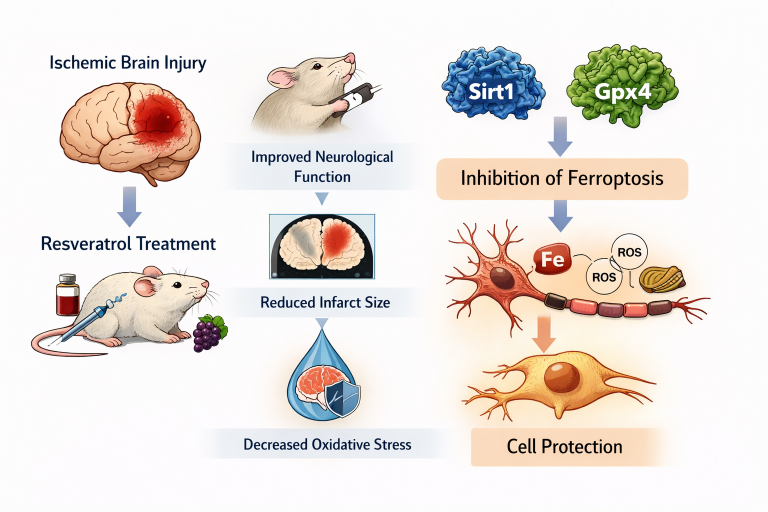
Objective: To investigate the neuroprotective effects of resveratrol (RSV) against ferroptosis in a rat model of cerebral ischaemia.
Methods: Photochemical embolisation was used to generate focal cerebral ischemic injury in Sprague-Dawley rats. The modified neurological severity score system and adhesive removal experiment were used to evaluate neurological deficits) in model rats. Cerebral infarction volume was determined using TTC staining. Commercially available glutathione (GSH), iron ion, reactive oxygen species (ROS), and malondialdehyde (MDA) kits were used to detect ferroptosis. Western blot was used to detect the expression of the ferroptosis-related proteins Sirt1 and Gpx4.
Results: We found in a rat model of focal cerebral ischaemia that RSV treatment could significantly alleviate the neurological deficit score, reduce the adhesive removal time, reduce cerebral infarct area, reduce brain water content, and alleviate the neurological damage caused by cerebral ischaemia. Meanwhile, RSV treatment can significantly restore GSH and iron ion levels, reduce ROS and MDA levels, and activate the expression of the ferroptosis-related proteins Sirt1 and Gpx4.
Conclusion: RSV improved neurological deficits, reduced the area of cerebral infarction, and alleviated neuronal damage. This protective effect may be achieved by upregulation of Sirt1 and Gpx4 protein expression to alleviate damage caused by ferroptosis.
Disclaimer: This image was generated using artificial intelligence and may contain inaccuracies or inconsistencies.
It is provided solely as a visual aid to facilitate the rapid understanding of the key ideas presented
in this article. Our editorial team conducts ongoing reviews of AI-generated images and will correct
or replace them whenever an error or discrepancy is identified or reported.
Authors:
Tudor
Florea
, Vlad
Teodor Iacob
, Ana
Caterina Cristofor
, Gabriela
Chele
, Roxana
Chiriță
Abstract:
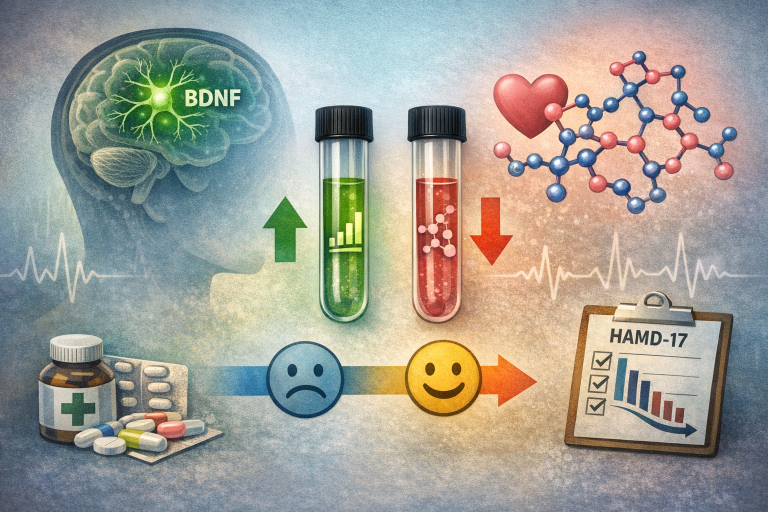
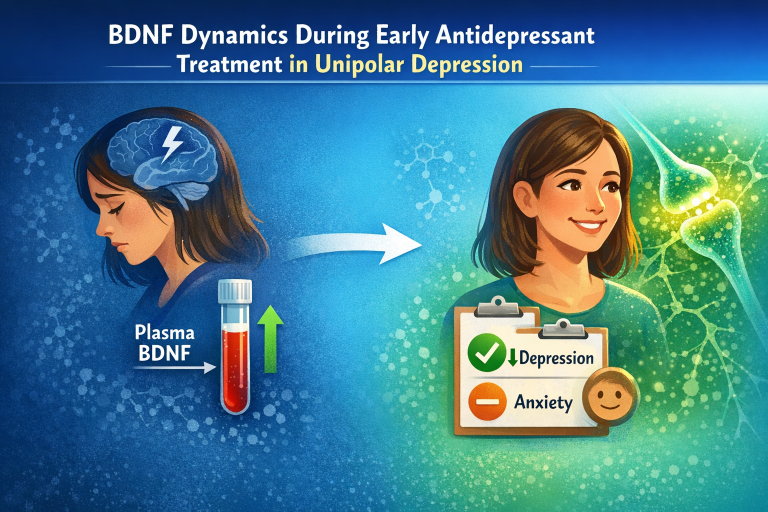
Background: Brain-derived neurotrophic factor (BDNF) and oxytocin (OXT) have been independently implicated in the pathophysiology of major depressive disorder (MDD), yet few longitudinal studies have examined their concurrent modulation during early antidepressant treatment. This study investigated changes in plasma BDNF and oxytocin concentrations over the first four weeks of pharmacological treatment in patients with unipolar MDD and explored their association with changes in depressive symptom severity. Methods: Twenty-six medication-free patients with unipolar major depressive disorder were assessed at baseline, before antidepressant initiation, and after four weeks of treatment. Depressive severity was measured using the 17-item Hamilton Depression Rating Scale (HAMD-17). Plasma BDNF and oxytocin concentrations were quantified using enzyme-linked immunosorbent assay kits (ELISA). Within-subject changes were analysed using the Wilcoxon signed-rank test, and associations between changes in clinical severity and biomarker levels were examined using Spearman’s rank correlation coefficients.
Results: Depressive symptom severity significantly decreased after four weeks of treatment. Plasma BDNF and oxytocin levels also demonstrated significant changes over the same period. A moderate negative correlation was observed between reductions in HAMD-17 scores and the change in BDNF concentrations (ρ = −0.554, p = 0.003), indicating that greater clinical improvement was associated with greater increases in plasma BDNF levels. A moderate positive correlation was found between changes in depressive severity and changes in oxytocin concentrations (ρ = 0.414, p = 0.035). No statistically significant differences in biomarker changes were observed across antidepressant classes; however, these subgroup analyses should be interpreted cautiously given the limited sample sizes in each treatment subgroup.
Conclusions: Early antidepressant treatment in unipolar MDD is accompanied by modulation of peripheral neurotrophic and neuropeptidergic markers. The association between symptom improvement and BDNF dynamics supports the relevance of neuroplasticity-related mechanisms during early treatment, while oxytocin alterations may reflect parallel adaptation within stress-regulatory systems. Larger longitudinal studies are required to clarify the predictive and mechanistic significance of these findings.
Disclaimer: This image was generated using artificial intelligence and may contain inaccuracies or inconsistencies.
It is provided solely as a visual aid to facilitate the rapid understanding of the key ideas presented
in this article. Our editorial team conducts ongoing reviews of AI-generated images and will correct
or replace them whenever an error or discrepancy is identified or reported.
Authors:
Petra
Caroline Mayaya
, Raluca
Ozana Chistol
, Laura
Mihaela Trandafir
, Otilia
Elena Frăsinariu
, Elena
Hanganu
, George
Cătălin Moroșan
, Anca
Bivoleanu
, Cristina
Furnica
Abstract:
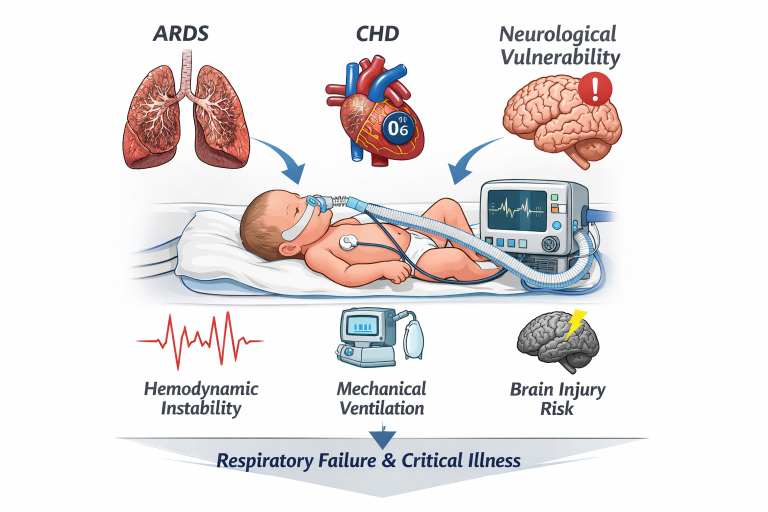
Background: The postnatal transitional period represents a phase of marked hemodynamic adaptation in neonates, particularly vulnerable in those with congenital heart disease (CHD). Acute respiratory distress syndrome (ARDS) in this population may reflect circulatory instability rather than primary pulmonary pathology.
Objectives: To evaluate respiratory outcomes in neonates with CHD, focusing on the relationship between hemodynamic phenotype, ARDS development, and predictors of invasive mechanical ventilation.
Methods: We conducted a retrospective single-center study including 138 neonates with confirmed CHD admitted within the first 28 days of life. Clinical, demographic, and respiratory data were analyzed. ARDS severity, symptom burden, and prostaglandin E1 administration were evaluated as potential predictors of invasive mechanical ventilation using multivariate logistic regression.
Results: ARDS developed in 62.3% of patients, most frequently within the first day of life. The number of clinical symptoms at presentation was the sole independent predictor of ARDS (OR 2.4; 95% CI 1.84–3.14; p < 0.001). Invasive mechanical ventilation was required in 38.4% of neonates and was strongly associated with ARDS severity (OR 3.19; 95% CI 2.16–4.69; p < 0.001). These findings suggest that respiratory failure often reflects underlying hemodynamic instability during the transitional period.
Conclusions: In neonates with CHD, ARDS appears closely linked to circulatory imbalance rather than isolated lung disease. A physiology-driven approach integrating early hemodynamic stabilization with lung-protective ventilation strategies may improve outcomes in this high-risk population.
Disclaimer: This image was generated using artificial intelligence and may contain inaccuracies or inconsistencies.
It is provided solely as a visual aid to facilitate the rapid understanding of the key ideas presented
in this article. Our editorial team conducts ongoing reviews of AI-generated images and will correct
or replace them whenever an error or discrepancy is identified or reported.
Authors:
Mihaela
Toader
, Ana
Maria Buburuz
, Madalina
Maxim
, Daniela
Ivona Tomita
, Bogdan
Novac
, Otilia
Novac
, Daniel
Vasile Timofte
Abstract:
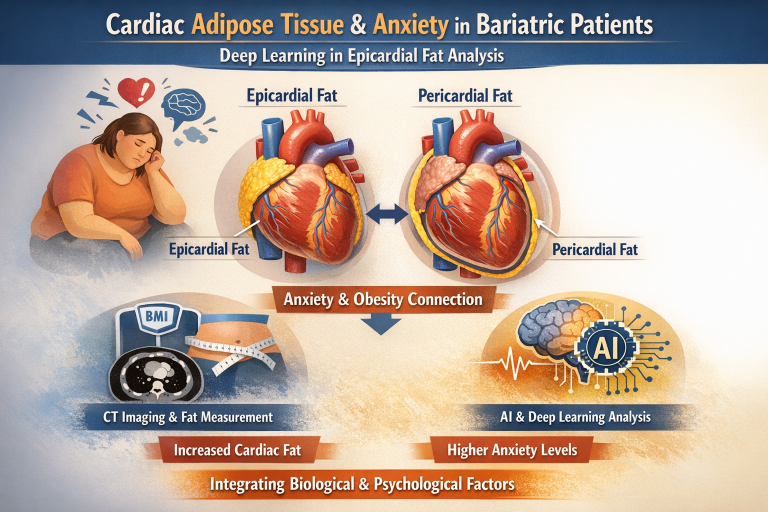
Background: Obesity affects both physical and mental health, and bariatric patients often show high levels of psychological distress. Cardiac adipose tissue, which includes epicardial and pericardial fat, is an active fat depot linked to inflammation and cardiovascular risk. Its relationship with anxiety has not been well studied, especially in bariatric candidates.
Methods: This cross‑sectional study included 29 adults undergoing preoperative evaluation for bariatric surgery. All participants completed the Hamilton Anxiety Rating Scale and underwent CT imaging to measure epicardial and pericardial adipose tissue thickness. Additional adiposity measures included BMI, waist circumference, abdominal wall thickness, and adipose tissue density. Correlations and simple linear regressions were used to examine associations between anxiety severity and adiposity markers. Group differences across obesity grades were assessed with one‑way ANOVA.
Results: Higher anxiety scores were strongly associated with greater pericardial fat thickness (r = 0.621, p < 0.001), epicardial fat thickness (r = 0.667, p < 0.001), BMI (r = 0.840, p < 0.001), waist circumference (r = 0.748, p < 0.001), and abdominal wall thickness (r = 0.494, p = 0.007). Both pericardial and epicardial fat thickness significantly predicted Hamilton total score in regression models.
Conclusion: Anxiety severity in bariatric patients is closely related to several markers of adiposity, especially cardiac adipose tissue thickness. These findings suggest that cardiac adipose tissue may play a meaningful role in the psychological profile of individuals with severe obesity. Integrating both biological and psychological factors may improve the assessment and care of bariatric candidates.Artificial intelligence, especially deep learning techniques, is starting to play an increasingly important role in the assessment of epicardial and pericardial adipose tissue. It allows for automated segmentation and quantification based on CT images, providing high accuracy and reducing the time required for data processing. Recent artificial intelligence models, such as convolutional neural networks and U-Net architectures, have demonstrated significant agreement with manual measurements performed by specialists, which supports the possibility of their integration into routine clinical assessment. In the case of bariatric patients, these technologies can increase the accuracy of cardiac adipose tissue assessment and facilitate a broader understanding of the relationship between obesity, cardiovascular risk and the associated psychological impact.
Disclaimer: This image was generated using artificial intelligence and may contain inaccuracies or inconsistencies.
It is provided solely as a visual aid to facilitate the rapid understanding of the key ideas presented
in this article. Our editorial team conducts ongoing reviews of AI-generated images and will correct
or replace them whenever an error or discrepancy is identified or reported.
Authors:
Theodora
Armeanu (Popescu)
, Dan
Popescu
, Radu
Maftei
, Roxana
Diaconu
, Daniela
Ivona Tomita
, Bogdan
Novac
, Otilia
Novac
, Bogdan
Doroftei
Abstract:
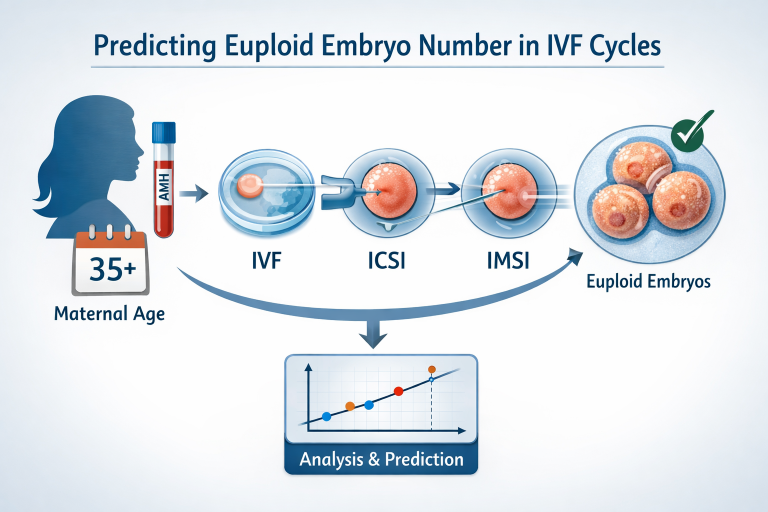
Background: Predicting the number of euploid embryos is critical for optimising IVF outcomes and managing patient expectations. While maternal age and anti-Müllerian hormone (AMH) are established markers of ovarian reserve, their combined predictive power regarding chromosomal normality remains a subject of clinical debate. Artificial intelligence is increasingly being explored in assisted reproduction as a non-invasive, data-driven approach to estimate embryo ploidy. By leveraging advanced models such as convolutional neural networks (CNNs) and machine learning algorithms to evaluate morphological and morphokinetic characteristics from time-lapse sequences, AI contributes to improving the accuracy and objectivity of embryo selection. Objective: This study evaluated the statistical association between maternal age, AMH levels, and fertilisation methods (IVF, ICSI, IMSI) and euploid embryo yield. A secondary objective was to translate these clinical findings into a visual decision-support system (DSS) grounded in an Explainable AI (XAI) framework. Methods: A retrospective observational study was conducted on 31 patients undergoing IVF with PGT-A. Statistical significance was assessed using one-way ANOVA and multiple linear regression. Building on these data, a specialised decision-support system was developed using React 19 and TypeScript, employing a binomial probability model to translate clinical biomarkers into intuitive success simulations.
Results: Patients younger than 35 years exhibited significantly higher AMH levels (p = 0.033) and a higher mean number of euploid embryos (p = 0.032) compared to those greater than 35. The fertilisation method did not significantly influence euploidy outcomes (p = 0.990). The regression model was statistically significant (p = 0.030), explaining 22.1% of the variance. However, none of the individual predictors reached statistical significance, suggesting that the observed effect may be driven by the combined contribution of the variables rather than by independent effects. The resulting DSS operationalises these findings in a preliminary manner through real-time attrition modelling and "Opportunity Cost" visualisations. Conclusion: Maternal age may represent an important factor in embryo euploidy, while AMH provides a quantitative baseline for embryo yield. By synergising retrospective data with explainable AI, the developed framework offers a transparent, data-driven approach to fertility counselling. This study indicates that integrating statistical analysis with a visual decision-support system effectively bridges the gap between raw clinical data and patient-centred practice, facilitating more objective decision-making in in vitro fertilisation.The development of a conceptual decision support system based on these findings derived a secondary objective of the paper by exploring it.
Psychology, Psychotherapy, Clinical Neuroscience & Mental Health
Disclaimer: This image was generated using artificial intelligence and may contain inaccuracies or inconsistencies.
It is provided solely as a visual aid to facilitate the rapid understanding of the key ideas presented
in this article. Our editorial team conducts ongoing reviews of AI-generated images and will correct
or replace them whenever an error or discrepancy is identified or reported.
Authors:
Petra
Jedličková
, Lukáš
Stárek
Abstract:
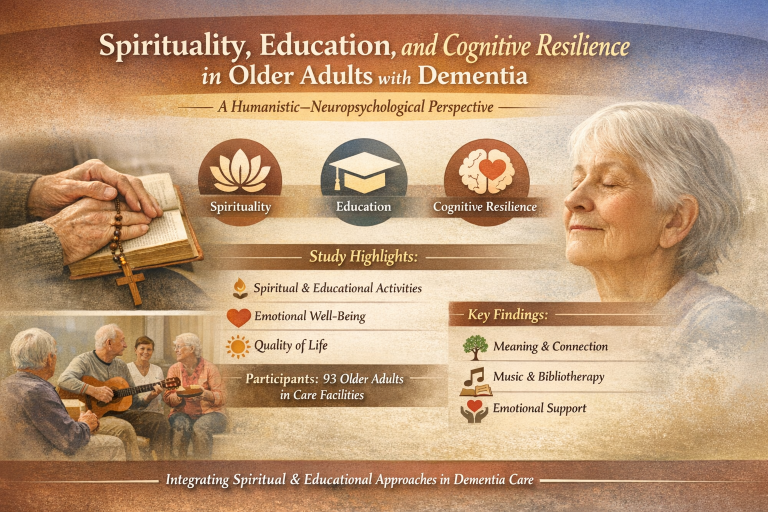
This study explores the relationship between spirituality, education, and perceived quality of life among older adults living in residential care facilities, including individuals with cognitive impairment. Drawing on interdisciplinary perspectives from gerontology, special pedagogy, existential psychology, and neuropsychology, the research conceptualises spirituality as a multidimensional resource that supports emotional regulation, identity continuity, and meaning-making under conditions of cognitive decline. The empirical part of the study was conducted in four residential institutions in the Nitra Region of the Slovak Republic and involved 93 respondents aged 18–100 years. Data were collected using a structured questionnaire focused on spiritual beliefs, participation in spiritual and educational activities, and the subjective benefits associated with these practices. The findings indicate that older adults show a strong preference for emotionally and symbolically meaningful activities, particularly worship, music therapy, bibliotherapy, and spiritual conversations. Participation in these activities was associated with a perceived increase in life meaning, emotional well-being, and quality of life. The results further suggest that spiritual practices activate preserved emotional and procedural memory systems, which may explain the persistence of spiritual responsiveness even in the presence of cognitive decline. The findings may suggest that emotionally and symbolically meaningful practices remain accessible in later stages of cognitive decline; however, causal mechanisms cannot be inferred from this exploratory design. The study contributes to the interdisciplinary discourse on dementia care by demonstrating that spiritual and educational engagement can serve as protective factors for psychological well-being and human dignity. The findings highlight the need to integrate spiritual sensitivity into professional education and holistic care models, emphasising the importance of addressing existential and emotional dimensions alongside physical and cognitive needs in later life.
Disclaimer: This image was generated using artificial intelligence and may contain inaccuracies or inconsistencies.
It is provided solely as a visual aid to facilitate the rapid understanding of the key ideas presented
in this article. Our editorial team conducts ongoing reviews of AI-generated images and will correct
or replace them whenever an error or discrepancy is identified or reported.
Authors:
Lourdu
Stepy P.
, Dolly
Diana P.
, A.
Leo
, Shygil
Joy
, Fulvia
Chiampo
, R.
Sakthi Velammal
Abstract:
The research endeavour provides a detailed study of the perceived modulation of maternal well-being linked to neuroendocrine health and the subsequent effect on the work-life balance of women, specifically, the assessment of the effectiveness of a carefully designed postpartum health powder intended to improve the well-being of women. The research is carried out in a rigorous manner and begins with the production of the postpartum powder, based on the choice of botanicals traditionally recognized for their medicinal value in the context of maternal recovery.. Further steps assess the self-reported impact of the formulation on physiological symptoms and vitality. Data was obtained with the help of a structured questionnaire developed to measure the perception of women on physical health, mental health, work-life balance, and professional reintegration in the postpartum phase. The survey responses are then translated into quantitative measures and evaluated using SPSS where the identification of substantive patterns and interrelationships is performed. The findings obtained, which are presented in the form of detailed results and discussion, support the fact that the potential neuroendocrine support perceived from the supplement is related to increased psychological stability, reduced work-life conflict, and expanded ability to reconcile professional and family demands. The research therefore provides meaningful insights about the integrative models of maternal healthcare and the significance of specialized postpartum care in supporting the overall well-being of women and their socio-professional activities.
Disclaimer: This image was generated using artificial intelligence and may contain inaccuracies or inconsistencies.
It is provided solely as a visual aid to facilitate the rapid understanding of the key ideas presented
in this article. Our editorial team conducts ongoing reviews of AI-generated images and will correct
or replace them whenever an error or discrepancy is identified or reported.
Authors:
Cristian
Manea
, Teofil
Panc
, Dana
Rad
, Zorica
Triff
, Mona
Bădoi-Hammami
, Mihaela
Neacșu
, Corina
Colareza
, Gheorghe
Mihai Bănariu
Abstract:
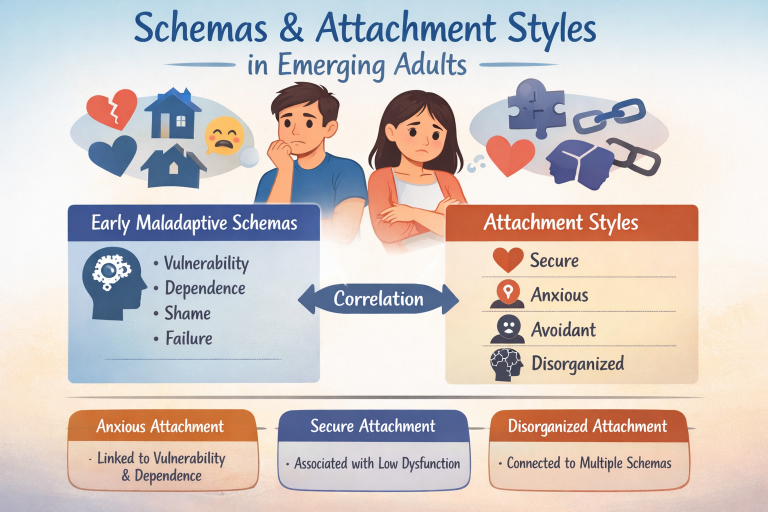
This study examines the relationship between early maladaptive schemas and attachment styles in emerging adulthood, within the theoretical frameworks of schema therapy (Young, 1990; Young et al., 2003) and attachment theory (Bowlby, 1969). Using a non-probabilistic sample of 170 participants (equally distributed by gender), Pearson correlation analyses revealed significant associations between schemas and attachment styles. Anxious attachment was positively correlated primarily with vulnerability, dependence, and subjugation, highlighting the role of threat anticipation and increased need for reassurance (Rad et al. (2025). Secure attachment was negatively correlated with strong negative correlations with defectiveness/shame, social isolation, failure, and vulnerability, confirming its protective function. Disorganised attachment was the most sensitive to schema activation, showing positive correlations with a broad spectrum of maladaptive patterns. Avoidant attachment was weakly associated with classical schemas and was modestly associated with unrelenting standards. Gender differences were observed primarily in attachment styles and vulnerability.
Disclaimer: This image was generated using artificial intelligence and may contain inaccuracies or inconsistencies.
It is provided solely as a visual aid to facilitate the rapid understanding of the key ideas presented
in this article. Our editorial team conducts ongoing reviews of AI-generated images and will correct
or replace them whenever an error or discrepancy is identified or reported.
Authors:
Stephen
Paul A.
, K.
Martina Rani
, S.
Samkutty Samueal
, A.
Danam Tressa
, P.
Srilatha
, B.
Giri Babu
Abstract:
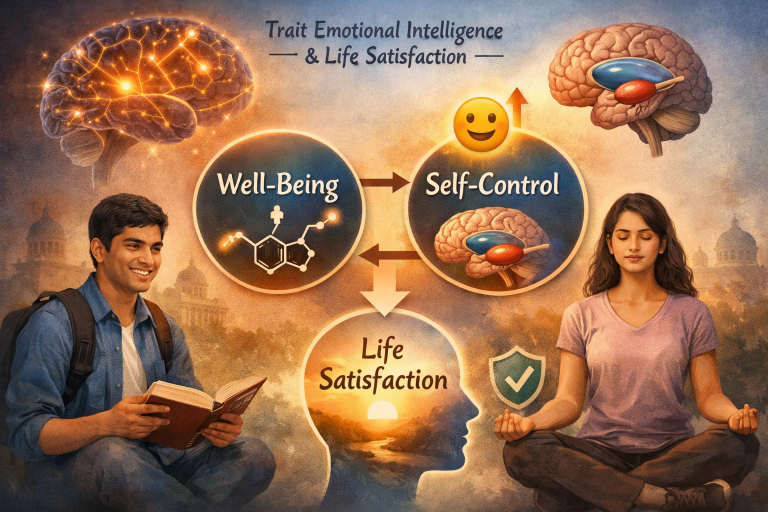
Trait Emotional Intelligence (TEI) is a set of personality-related, emotion-self-perception measures which outline the way people understand and manage emotions in their daily lives. In the framework of the recent interdisciplinary research, the study fills in the gaps in the methodology and cultural context by questioning the predictive value of TEI dimensions for life satisfaction (LS) in the context of Indian higher education students who face distinct academic and social stressors. The multivariate model (AIC = 154.73; R²=.241) using both logistic regression and structural equation modelling identified well-being (OR = 2.31, p = .012) and self-control (OR = 1.89, p = .028) as the only statistically salient predictors using an empirical sample of 118 students (aged 18-25) assessed with the TEIQue-SF and a global LS measure. These results highlight the utmost significance of dispositional optimism and emotional regulation in promoting psychological well-being and contentment with life. The bivariate correlation analysis showed that well-being (r=0.69), sociability (r=0.35), self-control (r=0.25), and emotionality (r=0.23) were all significantly related to LS. The difference between the small bivariate correlation of self-control and the strong, independent predictive value of self-control in the multivariate model is an important methodological improvement, which demonstrates the need to control the interrelated affective constructs. Lastly, the research gap addressed in this study lies in placing the predictive results within a neuropsychological paradigm, conceptually connecting the well-being factor to dopaminergic reward circuitry and self-control to fronto-amygdaloid connectivity.
Disclaimer: This image was generated using artificial intelligence and may contain inaccuracies or inconsistencies.
It is provided solely as a visual aid to facilitate the rapid understanding of the key ideas presented
in this article. Our editorial team conducts ongoing reviews of AI-generated images and will correct
or replace them whenever an error or discrepancy is identified or reported.
Authors:
Gheorghe
Mihail Banariu
, George
Neagoe
, Mihaela
Rus
, Cristian
Delcea
, Adriana
Campeanu
, Silvia
Onuc
, Mirela
Manea
, Vlad
Tica
Abstract:
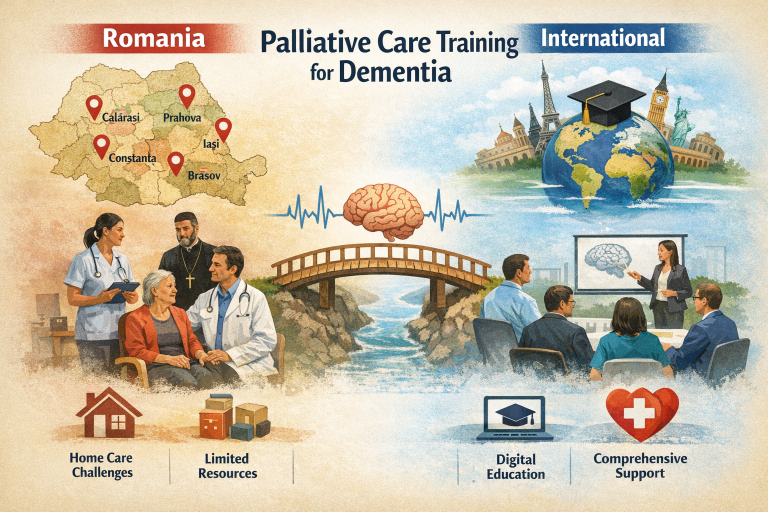
Background: Palliative care education (PCE) is increasingly recognized as a public health priority, particularly in the context of dementia and other neurocognitive disorders that place significant burdens on patients, families, and healthcare systems. While international programmes highlight key educational needs and interventions, local adaptations remain scarce in Romania. Objective: This research aimed to (1) synthesise global evidence on palliative care education needs and implemented programmes published in 2024, and (2) assess the emerging educational requirements and psychosocial well-being of healthcare providers and caregivers in multiple Romanian regional centres in 2025. Methods: A scoping review was conducted using PubMed to identify studies published in 2024, including qualitative, quantitative, and umbrella reviews. Fifty-six studies from 33 countries were analysed. Based on identified gaps, a structured questionnaire was designed and applied to 200 participants (physicians, nurses, physiotherapists, psychologists, priests, and primary home caregivers) across Romanian counties such as Călărași , Prahova, Constanta, Iasi, and Brasov. Alongside, participants were evaluated using the Beck Depression Inventory, Hamilton Anxiety Rating Scale, and Rosenberg Self-Esteem Scale. Results: The scoping review identified recurrent needs in symptom management, dementia care, communication, caregiver support, ethical decision-making, digital learning, and provider resilience. Programmes showed improvements in knowledge, confidence, and satisfaction but varied widely in scope and implementation. Romanian participants reported high interest in dementia-focused training and communication skills, aligning with global priorities. However, unique challenges emerged, including limited interdisciplinary collaboration and a lack of structured support for home-based caregivers. Screening revealed elevated levels of anxiety and depression among staff, particularly those with frequent contact with dementia patients. Conclusions: Combining international and local perspectives demonstrates that dementia education, caregiver support, and provider resilience are central needs in palliative care education. Tailored, interdisciplinary programmes are urgently required in Romania, both to align with global best practices and to address local gaps, ensuring improved outcomes for patients, families, and healthcare providers.
Disclaimer: This image was generated using artificial intelligence and may contain inaccuracies or inconsistencies.
It is provided solely as a visual aid to facilitate the rapid understanding of the key ideas presented
in this article. Our editorial team conducts ongoing reviews of AI-generated images and will correct
or replace them whenever an error or discrepancy is identified or reported.
Authors:
Viktorija
Piscalkiene
, Lijana
Navickiene
, Aurimas
Galkontas
Abstract:
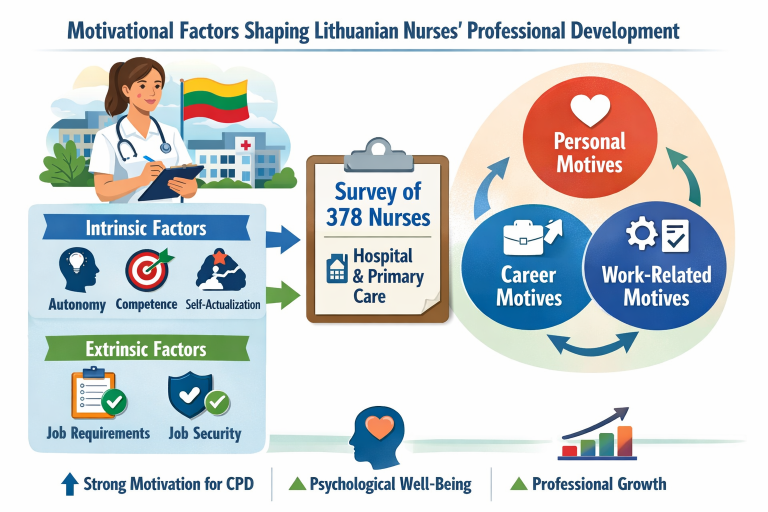
Continuing professional development (CPD) is essential for sustaining nurses’ competence and ensuring high-quality patient care. While its importance is widely recognised, little is known about the motivational factors influencing Lithuanian nurses’ engagement in CPD. To address this gap, the study draws on Self-Determination Theory, Herzberg’s Two-Factor Theory, and Maslow’s Hierarchy of Needs, providing a multidimensional perspective that captures both intrinsic drivers (e.g., autonomy, competence, self-actualisation) and external influences (e.g., organisational requirements, job security). This study explored nurses’ motivations, their interrelationships, and links with sociodemographic and work environment characteristics. A cross-sectional survey of 378 nurses from hospitals and primary healthcare institutions was conducted, with three scales of motivation—career-related, formal work-related, and personal motives—demonstrating good reliability (Cronbach’s alpha = 0.694–0.874). Analysis of 364 valid responses showed that personal motives were strongest (M = 4.4), followed by career-related (M = 4.3) and formal work-related motives (M = 4.1). Nurses in primary care and those with less than five years of work experience reported significantly higher motivation than hospital-based and more experienced colleagues (p < 0.001). Strong correlations were found among all three motivational domains. These findings highlight the need for tailored strategies that strengthen intrinsic motivation and sustain CPD engagement throughout nurses’ careers. From a psychological point of view, nurses' involvement in CPD is strongly influenced by internal motivation related to self-realisation, strengthening professional identity, and job satisfaction. The results show that personal motives are closely related to psychological well-being, so CPD can affect not only the improvement of competencies, but also the psychological resilience and professional satisfaction of nurses. The study’s findings should be interpreted with caution due to several limitations. Self-reported data may reflect social desirability bias, the voluntary and non-representative sample limits generalisability, and the study did not examine the effectiveness of specific CPD support mechanisms. These constraints indicate the need for future research using larger representative samples and intervention-based designs.
Disclaimer: This image was generated using artificial intelligence and may contain inaccuracies or inconsistencies.
It is provided solely as a visual aid to facilitate the rapid understanding of the key ideas presented
in this article. Our editorial team conducts ongoing reviews of AI-generated images and will correct
or replace them whenever an error or discrepancy is identified or reported.
Authors:
Eliza
Mihaela Cămănaru
, Vlad
Teodor Iacob
, Andreea
Silvana Szalontay
, Roxana
Chiriță
Abstract:
Major depressive disorder frequently presents with prominent anxiety symptoms, reflecting overlapping disturbances in affective regulatory systems. Brain-derived neurotrophic factor (BDNF), a key mediator of synaptic plasticity, has been implicated in the neurobiological mechanisms underlying stress-related psychopathology. This longitudinal study examined whether changes in plasma BDNF concentrations during the first four weeks of antidepressant treatment were associated with improvements in depressive and anxiety symptom severity in patients with unipolar major depressive disorder. Twenty-six medication-free patients were evaluated at baseline and after four weeks using the Hamilton Depression and Hamilton Anxiety Rating Scales, and plasma BDNF levels were quantified by ELISA. Clinical improvement was accompanied by an increase in plasma BDNF concentrations. Greater reductions in depressive symptom severity were associated with larger BDNF increases, whereas no significant association was observed between anxiety symptom change and BDNF modulation. These findings suggest that BDNF dynamics may primarily reflect early neuroplastic adaptations related to depressive symptom improvement.
Disclaimer: This image was generated using artificial intelligence and may contain inaccuracies or inconsistencies.
It is provided solely as a visual aid to facilitate the rapid understanding of the key ideas presented
in this article. Our editorial team conducts ongoing reviews of AI-generated images and will correct
or replace them whenever an error or discrepancy is identified or reported.
Authors:
Petru
Fabian Lungu
, Corina
Miruna Lungu
, Bogdan
Novac
, Otilia
Novac
, Cristina
Albert
, Alin
Ciobica
Abstract:
Metacognitive impairments are central to schizophrenia and strongly linked to limited insight and poor functional outcomes. While atypical antipsychotics effectively reduce positive symptoms, their influence on metacognition remains unclear. This pilot study explores how different antipsychotic regimens may affect metacognitive belief patterns, while also considering artificial intelligence (AI) only as a future direction for augmenting cognitive interventions. Twelve participants (eight with schizophrenia, four healthy controls) were assessed using the Metacognitions Questionnaire-30 (MCQ-30). Patients were prescribed either clozapine with amisulpride or two-drug combinations selected from risperidone, aripiprazole, and quetiapine. Between-group comparisons were conducted using one-way ANOVA with post hoc tests. Effect sizes and post hoc power analyses were calculated. No significant differences emerged in cognitive confidence or cognitive self-consciousness. However, patients receiving dual-drug combinations from risperidone, aripiprazole, and quetiapine reported stronger positive beliefs about worry and greater perceptions of thought dangerousness. These trends suggest that certain multi-drug regimens may intensify maladaptive metacognitive beliefs. This study provides preliminary observations that antipsychotic polypharmacy may influence metacognitive functioning in schizophrenia. While AI was not applied here, future research could examine whether digital tools may one day support metacognitive awareness and regulation alongside pharmacological care.
Disclaimer: This image was generated using artificial intelligence and may contain inaccuracies or inconsistencies.
It is provided solely as a visual aid to facilitate the rapid understanding of the key ideas presented
in this article. Our editorial team conducts ongoing reviews of AI-generated images and will correct
or replace them whenever an error or discrepancy is identified or reported.
Authors:
Nataliia
Naumenko
, Olha
Riaboshapka
, Liudmyla
Starikova
, Iryna
Radchenia
, Larysa
Kondratska
, Olena
Shcherbakova
Abstract:
Educational realities are shaped by digitalisation, ongoing reforms, the consequences of the pandemic, and various socio-economic risks. Together, these factors place significant psychological strain on primary school teachers. Their professional work requires not only pedagogical competence but also a high level of emotional resilience to cope effectively with stressful situations. A neuropsychological perspective offers valuable insights into this issue. It helps to explain how physical activity and instructional strategies can support teachers’ cognitive health and maintain emotional balance. This article examines the development of stress resilience in primary school teachers working under conditions of educational risk. For many educators, a decline in stress resilience is a predictable outcome of teaching practice. This decline reflects the sustained psycho-emotional and intellectual demands of the profession. The article is theoretical in nature and defines the concept of stress resilience. It further identifies the pedagogical conditions required for its development in the professional activity of primary school teachers. It also outlines the neuropsychological mechanisms that underpin their stress resilience. Finally, the article explores the role of physical education as an effective means of enhancing stress resilience among primary school teachers in risk-related contexts. Practical recommendations are provided to cultivate this particular quality.
Disclaimer: This image was generated using artificial intelligence and may contain inaccuracies or inconsistencies.
It is provided solely as a visual aid to facilitate the rapid understanding of the key ideas presented
in this article. Our editorial team conducts ongoing reviews of AI-generated images and will correct
or replace them whenever an error or discrepancy is identified or reported.
Authors:
Fatima
Zahra Kamal
, Radu
Lefter
, Ioannis
Mavroudis
, Alin
Ciobica
, Bogdan
Novac
, Otilia
Novac
, Said
Rammali
, Vasile
Burlui
, Daniela
Ivona Tomita
Abstract:
Advances in the understanding of exosome biology have led to their recognition as the heart of intercellular communications. Additionally, the new insights into the role of exosomes in neuroinflammation and spreading of characteristic Alzheimer’s Disease (AD) pathologies, open the scope for their use as a key target for diagnostic and therapeutic innovation. The immuno-engineering platforms are sensitive for detecting exosomal biomarkers including amyloid-β species, phosphorylated tau, and regulatory microRNAs, in peripheral biofluids with minimal invasion. Hence, these are potential platforms that can facilitate early diagnosis of AD. Although most supporting evidence is presently derived based on preclinical models and limited observational cohorts, these findings support minimally invasive opportunities for early disease monitoring and diagnosis, possibly even before the manifestation of clinical symptoms of AD. Alongside, another advantage of engineered exosomes is their flexible framework for targeted drug delivery. Since engineered exosomes are derived from neuronal or mesenchymal stem cells, they can cross the blood-brain barrier and deliver neuroprotective or immunomodulatory agents with high specificity. Presently, the target precision and off-target biodistribution of engineered exosomes are one of the most active areas of investigation. More encouragingly, incorporating nanotechnology for surface modification and cargo loading strategies can further enhance exosomal signaling, delivery efficiency, and cell-specific uptake by neuronal and glial cells. These applications, however, are presently challenging in terms of scalability and reproducibility. Also, a number of advancements are needed in areas of standardization of exosome isolation, scalable manufacturing, regulatory frameworks, and biological heterogeneity. Overcoming these challenges, however, is feasible with the integration of Artificial Intelligence and multi-omics profiling, and optimisation of exosome-based interventions.
Disclaimer: This image was generated using artificial intelligence and may contain inaccuracies or inconsistencies.
It is provided solely as a visual aid to facilitate the rapid understanding of the key ideas presented
in this article. Our editorial team conducts ongoing reviews of AI-generated images and will correct
or replace them whenever an error or discrepancy is identified or reported.
Authors:
Oksana
Shelever
, Hanna
Yavorska
, Oksana
Chuyko
, Tamara
Kryvonis
, Maksym
Yavorskyi
, Yuliya
Klymenko
Abstract:
This article analyses a unique set of challenges faced by psychologists and psychotherapists during wartime – specifically, neuroethical dichotomies that threaten their professional and personal integrity. Central to the discussion are internal conflicts: between empathy and analytical thinking, humanism and the dehumanisation of the enemy, and the breakdown of moral codes under the pressure of war. The authors adopt a synergistic methodological approach, integrating neuroscience, ethics, andragogy, psychotherapeutic practice, and an analysis of current warfare. Within this framework, they propose a typology of neuroethical “splits,” including burnout versus resilience and self-preservation versus self-sacrifice. These dichotomies form a new epistemological field that highlights the professional vulnerability of mental health practitioners. Building on this analysis, the article introduces a framework for neuropsychological support. It also presents five original models of co-counselling, namely, “Ethical Pendulum,” “Neuroreset,” “Moral Landscape,” among others. Ultimately, the article demonstrates that the psychotherapist in wartime is not only a helper but also a bearer of the ethical front – someone who requires specialised support through neuroethical integration. As such, this study contributes to the emerging field of applied neuroethics in humanitarian contexts.
Disclaimer: This image was generated using artificial intelligence and may contain inaccuracies or inconsistencies.
It is provided solely as a visual aid to facilitate the rapid understanding of the key ideas presented
in this article. Our editorial team conducts ongoing reviews of AI-generated images and will correct
or replace them whenever an error or discrepancy is identified or reported.
Authors:
Vasyl
Shunkov
, Liudmyla
Zahorodnia
, Tetiana
Yamilova
, Tamara
Kryvonis
, Sergiy
Suprunenko
, Olena
Murzina
Abstract:
The article aims to explore the specifics of training doctors during wartime. It seeks to define the role of universal skills in today’s system of military medical education in Ukraine. The article also analyses the historical experience of training reserve officers at military faculties of medical universities and examines current approaches to teaching military and emergency medicine. It investigates the development of professional and legal skills, including battlefield traumatology, the evacuation of the wounded, the organisation of medical support, and the advancement of legal aspects in medical education. The findings show that the system of military medical education helps to form a set of universal skills that prepare future specialists for work in extreme conditions. Emphasis is placed on the importance of legal education for doctors in clarifying the boundaries of their legal responsibility. The article also highlights the prospects for public-private partnership as an innovative model for organising medical care in wartime.
Disclaimer: This image was generated using artificial intelligence and may contain inaccuracies or inconsistencies.
It is provided solely as a visual aid to facilitate the rapid understanding of the key ideas presented
in this article. Our editorial team conducts ongoing reviews of AI-generated images and will correct
or replace them whenever an error or discrepancy is identified or reported.
Authors:
Olga
Solomonova
, Inna
Stashevska
, Yuliia
Karchova
, Vira
Osadcha
, Larysa
Huseinova
, Viktoriia
Osypenko
Abstract:
The article delves into the difficulties of psychosocial adaptation faced, by young students during wartime. It investigates strategies to aid students in their university experience, nurturing the development of personal values, creative expression of cultural and spiritual ideals, conscious self-improvement and readiness for meaningful societal participation, with a focus on the importance of musical and aesthetic education. Student youth, representing a socially active demographic, plays a vital role in today’s society. A key objective in educating young professionals during wartime should prioritise spiritual development, reinforcing moral and ethical foundations among the next generation, and cultivating individuals of refined cultural sensibilities, exemplifying the present-day intellectual elite. Musical compositions reveal the subtle nuances and unspoken impulses of this exploration, connecting with listeners, not only on a conscious level, but also through unconscious, subtle “channels” of communication. These channels leave a lasting impression on one’s psycho-physiological and psychological depths, subtly shaping their spiritual outlook. War has spurred the evolution of new modes of musical education, including online courses and military musical groups. These innovative approaches enable individuals to pursue musical learning and skill development even amidst challenging circumstances.
Disclaimer: This image was generated using artificial intelligence and may contain inaccuracies or inconsistencies.
It is provided solely as a visual aid to facilitate the rapid understanding of the key ideas presented
in this article. Our editorial team conducts ongoing reviews of AI-generated images and will correct
or replace them whenever an error or discrepancy is identified or reported.
Authors:
Bogdan
Ionuț Suceveanu
, Dan
Octavian Rusu
, Cristian
Delcea
Abstract:
Cognitive distortions are considered central to the aetiology and maintenance of sexual offending. This meta-analysis quantified differences in cognitive distortions between sexual offenders ( individuals who committed sexual offences against children and individuals who committed rape) and non-offending controls. Following the PRISMA 2020 (Preferred Reporting Items for Systematic Reviews and Meta-Analyses) guidelines, we systematically searched Scopus, PubMed, and Web of Science. Of 191 records, 9 studies (16 independent comparisons) met the inclusion criteria. Random-effects meta-analyses, with Hedges’ g as the effect size, were conducted separately for individuals who committed sexual offences against children(k = 12) and individuals who committed rape (k = 4); study quality was appraised using the adapted Newcastle–Ottawa Scale. Child molesters showed markedly higher levels of cognitive distortions than controls, with negligible heterogeneity. Rapists also exhibited significantly elevated cognitive distortions, accompanied by moderate heterogeneity; however, these estimates were derived from only two primary studies and should therefore be interpreted with caution. The combined analysis across all sexual offenders yielded a large overall effect, and publication bias appeared minimal for child-molester samples. These findings outline the robustness and magnitude of offense-supportive cognition in sexual offenders and support its central role in aetiological models, risk assessment, and treatment planning. This meta-analysis is the first to integrate explicit and implicit measures across offender subtypes within a unified analytic framework and to quantify the consistency of effects using contemporary heterogeneity and bias metrics.
Disclaimer: This image was generated using artificial intelligence and may contain inaccuracies or inconsistencies.
It is provided solely as a visual aid to facilitate the rapid understanding of the key ideas presented
in this article. Our editorial team conducts ongoing reviews of AI-generated images and will correct
or replace them whenever an error or discrepancy is identified or reported.
Authors:
Ionut
Virgil Serban
, Bogdan
Patrut
, Valer
Nimineț
Abstract:
Artificial intelligence–driven recommender systems increasingly shape how information circulates within digital platforms and how users encounter political and social narratives. As a result, processes of radicalization, extremist mobilization, and digitally mediated deviance can no longer be explained solely by social strain or ideological indoctrination, but must also be understood within algorithmically curated environments designed to maximize user engagement. This research develops an interdisciplinary framework explaining how recommendation algorithms interact with neurocognitive reward mechanisms to reinforce and amplify radicalization pathways. Bringing together criminological theory, digital sociology, and cognitive neuroscience, the study draws on General Strain Theory, Social Learning Theory, and Actor–Network Theory, alongside research on dopaminergic reward systems, emotional salience processing, predictive coding, and neuroplasticity. Within this framework, the article introduces the concept of Algorithmic Strain Environments (ASEs), defined as digitally mediated ecosystems in which engagement-optimized recommendation systems repeatedly amplify grievance narratives, emotional arousal, and identity polarization through recursive feedback loops. To translate these dynamics into measurable signals, the study proposes four analytical indicators: the Extremity Drift Index (EDI), the Engagement Volatility Score (EVS), the Homophily Density Metric (HDM), and the Narrative Convergence Rate (NCR). These indicators are designed not only for retrospective analysis but also for early detection of radicalization trajectories, thereby positioning the model as a predictive rather than purely descriptive framework. A simulation based on a hypothetical dataset illustrates how such indicators can be integrated into a quantitative approach for analyzing algorithmically mediated radicalization dynamics. Finally, the article examines the governance implications of these processes within emerging regulatory frameworks, including the European Union Artificial Intelligence Act, the Digital Services Act, the United Kingdom Online Safety Act, and ongoing regulatory debates in the United States. It proposes a neuro-algorithmic governance framework that integrates algorithmic auditing, cognitive risk modeling, and systemic platform accountability. Overall, the findings suggest that radicalization in platform societies is increasingly shaped through the interaction between human cognitive vulnerabilities and engagement-driven algorithmic infrastructures, highlighting the need for governance approaches capable of addressing both technological design and neurocognitive reinforcement mechanisms.
Disclaimer: This image was generated using artificial intelligence and may contain inaccuracies or inconsistencies.
It is provided solely as a visual aid to facilitate the rapid understanding of the key ideas presented
in this article. Our editorial team conducts ongoing reviews of AI-generated images and will correct
or replace them whenever an error or discrepancy is identified or reported.
Authors:
Bogdan
Pavlovici
Abstract:
Healthcare, educational, and social care institutions are frequently affected by what has been conceptualised in psychoanalytic and systemic literature as “transgenerational ghosts”—unprocessed traumatic experiences transmitted across generations, which shape individuals’ relationships to themselves, others, and the world. These unresolved dynamics do not remain confined to the individual or family system but may extend into institutional settings, where they contribute to relational tensions, fragmentation, and therapeutic impasses among professionals. Drawing on a clinical case within the child protection system, this article examines how transgenerational trauma can manifest as multi-level dissociative processes, affecting intrapsychic functioning, interpersonal relationships, and institutional dynamics. Particular attention is given to the emergence of polarised representations of the child across professional teams and to the resulting difficulties in coordinated care. In response to these challenges, the article presents a collective systemic narrative-based intervention designed to facilitate the transformation of dissociative dynamics into processes of emotional and symbolic re-association. By mobilising metaphor, role-taking, and shared narrative construction, this approach enables the integration of fragmented perspectives and supports the restoration of coherence within the institutional system. The findings highlight the importance of addressing transgenerational trauma not only at the individual and familial levels but also within the institutional contexts in which care is provided.











 ▲
▲