
Research Publications

  • Research Publications

    Video Game Addiction Among Adolescents

    This post discusses a multidisciplinary study exploring both the positive and negative psychological effects of video gaming, with a particular focus on addiction among teenagers. Conducted by researchers from “Elisabeta Doamna” Psychiatry Hospital, the University of Medicine and Pharmacy “Grigore T. Popa” Iași, and “Dunărea de Jos” University of Galați, the study provides a balanced, evidence-based perspective on one of the most debated behavioral phenomena of our time.


    Authors:
    Cezara Crucianu – “Elisabeta Doamna” Psychiatry Hospital, Galați, Romania (RO)
    Vladimir Poroch – University of Medicine and Pharmacy “Grigore T. Popa” Iași, Romania (RO)
    Lucian Ștefan Burlea – University of Medicine and Pharmacy “Grigore T. Popa” Iași, Romania (RO)
    Ovidiu Mihai Ștefănescu – University of Medicine and Pharmacy “Grigore T. Popa” Iași, Romania (RO)
    Anamaria Ciubara – “Dunărea de Jos” University of Galați, Romania (RO)


    Introduction

    Over the past decade, the video game industry has expanded at an unprecedented pace, attracting over two billion users worldwide, with adolescents making up a significant portion of this population.
    While video gaming is now a dominant form of entertainment and social interaction, researchers have increasingly turned their attention to its potential risks and rewards for mental and physical health.

    The study titled “Video Game Addiction Among Adolescents” seeks to identify both the beneficial and harmful consequences of excessive gaming and to clarify widespread misconceptions about its impact.


    The Dual Nature of Gaming

    The authors note that video gaming cannot be viewed simply as “good” or “bad” — its effects depend on duration, context, and individual vulnerability.

    Potential Negative Effects

    Excessive or compulsive gaming has been linked to several health and behavioral challenges, including:

    • Reduced physical activity and sedentary lifestyle;
    • Vision strain and postural issues;
    • Decreased attention span and patience;
    • Sleep disturbances;
    • Increased irritability, anxiety, or aggression;
    • Depressive symptoms and social withdrawal.

    In its most severe form, gaming disorder—recognized by the World Health Organization (WHO) in 2019—is characterized by impaired control over gaming, prioritization of gaming over other activities, and continuation of play despite negative consequences.

    Recognized Positive Effects

    However, the study also emphasizes the constructive potential of video games when used in moderation and with purpose:

    • Enhanced cognitive flexibility and problem-solving abilities;
    • Improved hand–eye coordination and spatial reasoning;
    • Development of teamwork and communication skills in multiplayer contexts;
    • Mood enhancement and stress relief;
    • Increased self-confidence and sense of achievement.

    These outcomes illustrate that gaming can foster personal and social development, particularly when games are designed with educational or cooperative goals in mind.


    Discussion

    The researchers advocate for a balanced, evidence-informed approach to understanding video game use among adolescents.
    While some individuals are more susceptible to addiction — often due to psychological vulnerability, emotional distress, or lack of offline social support — most adolescents engage in gaming as a normative and manageable leisure activity.

    Therefore, prevention and intervention strategies should focus on:

    • Early identification of at-risk players;
    • Parental and educational guidance in setting healthy limits;
    • Psychological counseling for those exhibiting dependency patterns;
    • Public awareness campaigns that destigmatize gaming while promoting responsible use.

    Conclusion

    The study concludes that video gaming represents both a risk and a resource for adolescent development.
    The challenge lies not in condemning gaming itself but in understanding when and why it becomes excessive or harmful.

    Continued interdisciplinary research and collaboration between mental health professionals, educators, and game developers are essential for improving prevention, diagnosis, and treatment outcomes for those affected by gaming-related problems.


    See full paper here: https://brain.edusoft.ro/index.php/brain/article/view/1487.
  • Research Publications

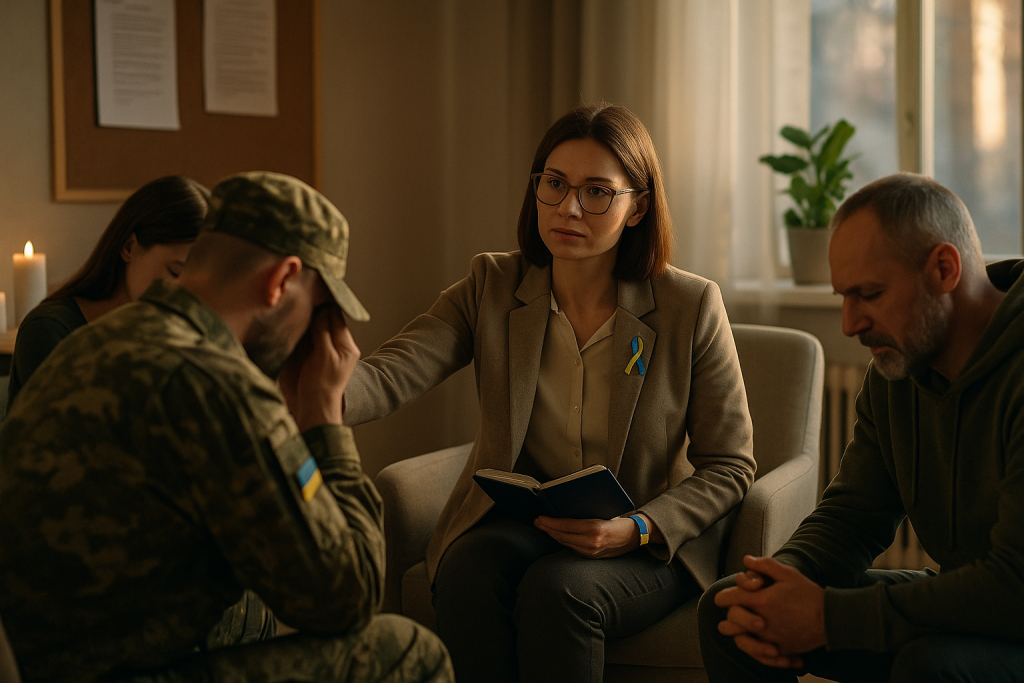
    War — Psychological Skills for Coping with Traumatic Events: Helping Ukraine

    This post presents an important study on developing psychological skills and interventions to help Ukrainians cope with trauma caused by the ongoing war. Conducted by researchers from Kyiv National University of Culture and Arts, Kyiv Polytechnic Institute, and Berdiansk State Pedagogical University, the paper explores how individuals and society can build resilience, recover psychological health, and overcome the long-term consequences of war-related stress.


    Authors:
    Yuliia Rybinska – Doctor of Science (Dr. Hab.) in Education, Professor, Head of the Foreign Philology Department, Kyiv National University of Culture and Arts, Kyiv, Ukraine (UA)
    Maryna Antonivska – Lecturer, Foreign Philology Department, Kyiv National University of Culture and Arts, Kyiv, Ukraine (UA)
    Olha Serbova – PhD in Psychology, Associate Professor, Department of Psychology and Pedagogy, National Technical University of Ukraine “Ihor Sikorsky Kyiv Polytechnic Institute,” Kyiv, Ukraine (UA)
    Maryna Mykolaenko – Assistant, Foreign Philology Department, Kyiv National University of Culture and Arts, Kyiv, Ukraine (UA)
    Olha Frolova – Associate Professor, Department of Psychology, Berdiansk State Pedagogical University, Berdiansk, Ukraine (UA)
    Olena Kolpakchy – Senior Lecturer, Department of Psychology, Berdiansk State Pedagogical University, Berdiansk, Ukraine (UA)


    Psychological Context and Purpose

    The full-scale invasion of Ukraine became one of the most profound traumatic events in modern European history. Millions of people have experienced loss, displacement, and prolonged uncertainty, leading to widespread psychological consequences.

    The article “War — Psychological Skills for Coping with Traumatic Events: Helping Ukraine” emphasizes the urgent need for comprehensive psychological support systems, capable of helping citizens adapt, recover, and rebuild emotional stability in the face of war-related trauma.

    Objectives of the Study

    The authors set out to:

    • Develop theoretical and methodological foundations for restoring psychological health;
    • Study technologies of social and psychological rehabilitation for combatants, internally displaced persons, and civilians;
    • Identify methods of mobilizing personal resources that enhance adaptation and recovery;
    • Promote public awareness of trauma and post-traumatic stress as vital aspects of national resilience.

    War Trauma and Its Psychological Effects

    War deeply affects both individual and collective psychology. The study reveals that exposure to violence, fear, and displacement disrupts personal stability, erodes trust, and challenges people’s sense of identity and purpose.

    Common emotional and behavioral outcomes include:

    • Chronic anxiety and hypervigilance;
    • Sleep disturbances and depression;
    • Emotional numbness or loss of motivation;
    • Post-traumatic stress disorder (PTSD);
    • Difficulties in social reintegration for veterans and displaced persons.

    However, the researchers also underline that trauma does not always lead to dysfunction — with appropriate psychological support and community engagement, individuals can experience post-traumatic growth, developing new strengths, empathy, and resilience.

    Psychological Skills for Coping and Recovery

    The article presents a framework of psychological skills and interventions essential for coping with traumatic experiences:

    1. Self-regulation techniques – breathing, mindfulness, and grounding exercises to manage stress responses.
    2. Cognitive restructuring – reframing negative thoughts and re-establishing a sense of meaning.
    3. Social support building – strengthening interpersonal connections and community belonging.
    4. Trauma-informed counseling and psychoeducation – helping individuals understand their reactions and normalize their experiences.
    5. Empowerment and resilience training – mobilizing inner resources, self-efficacy, and hope.

    These skills can be taught not only by trained psychologists but also through educational programs, community workshops, and peer support networks.

    Institutional and Societal Challenges

    The authors stress that addressing psychological trauma requires a multi-level approach:

    • Expanding the national mental health infrastructure;
    • Training more specialists in diagnosis, counseling, and trauma therapy;
    • Promoting public education campaigns to dismantle stigma surrounding mental health;
    • Encouraging collaboration between psychologists, educators, and policymakers.

    They emphasize that healing war trauma is not just a medical or psychological issue — it is a societal transformation process requiring empathy, unity, and shared responsibility.

    Conclusion

    The study concludes that the path to psychological recovery in wartime Ukraine lies in developing not only professional rehabilitation systems but also a culture of psychological literacy and emotional resilience.

    Through education, awareness, and collective support, Ukrainians can learn to cope, adapt, and rebuild in the aftermath of trauma — transforming pain into purpose and vulnerability into strength.


    Read the full article here: https://brain.edusoft.ro/index.php/brain/article/view/1359.

  • Research Publications

    Methodological Tools for Carrying Out Psychological Training

    This post explores the theoretical, methodological, and practical foundations of psychological training as a structured process for personal development and behavioral change. It outlines key methodological tools, psychological conditions, and training technologies that guide how trainers design, conduct, and evaluate psychological sessions for education, correction, and growth.


    Authors:
    Tamara Kryvonis – DS, Associate Professor, Department of Psychiatry, Addiction Medicine, General and Medical Psychology, Faculty of Postgraduate Education, National Pirogov Memorial Medical University, Ukraine (UA)
    Olha Artemova – Candidate of Pedagogical Sciences, Associate Professor, Department of General Psychology and Psychological Diagnostics, Rivne State University of the Humanities, Ukraine (UA)
    Kseniia Androsovych – Candidate of Psychological Sciences, Senior Researcher, Docent, Head of the Department of Psychology, International Scientific and Technical University named after Academic Yuri Bugay, Ukraine (UA)
    Maryna Zaushnikova – Candidate of Psychological Sciences, Associate Professor, Department of Psychology, Pedagogy and Sociology, State Tax University, Ukraine (UA)
    Iryna Agapova – PhD in Psychology, Senior Lecturer, Department of Psychology, Dnipro Humanitarian University, Ukraine (UA)
    Valentina Kutishenko – Candidate of Psychological Sciences, Associate Professor, Department of Personality Psychology and Social Practices, Faculty of Psychology, Social Work and Special Education, Borys Grinchenko Kyiv University, Ukraine (UA)


    Understanding Psychological Training

    Psychological training is a purposeful and structured form of group or individual work aimed at developing personal qualities, professional competencies, and behavioral flexibility. It serves as a form of psychocorrectional and educational intervention, allowing participants to gain new experiences, strengthen communication skills, and transform unproductive behavioral patterns.

    The article “Methodological Tools for Carrying Out Psychological Training” examines how specific methodological and technological tools help psychologists design effective training sessions that foster both learning and personal change.

    Theoretical and Methodological Foundations

    The study presents a psychological-technological approach to psychological training, treating it as an applied form of impact and learning. It emphasizes that the success of any training depends on:

    • the technological concept of the session,
    • the trainer’s understanding of participants’ individual traits,
    • and the adequate choice of methods aligned with participants’ goals and expectations.

    Psychological training is viewed not as a rigid procedure but as a creative, adaptive process combining science, empathy, and interaction.

    Classification of Methodological Tools

    Based on theoretical and methodological analysis, the authors identify four primary blocks of methodological tools used in psychological training:

    1. Educational-Informational Tools – materials and methods that convey knowledge or concepts necessary for self-awareness and behavioral insight (e.g., mini-lectures, discussions, feedback).
    2. Psychological Tools – techniques that engage emotions, attitudes, and self-reflection (e.g., guided imagery, psychodrama, emotional awareness exercises).
    3. Simulation Tools – structured activities that reproduce real-life situations for practicing behavioral responses (e.g., case studies, simulations).
    4. Role-Playing Tools – exercises that allow participants to act out roles and explore interpersonal dynamics in a safe environment.

    These blocks can be combined depending on the training paradigm (e.g., humanistic, behavioral, cognitive) and the purpose of the program.

    Trainer’s Role and Training Conditions

    The authors emphasize that the trainer’s competence—both personal and professional—is crucial to training success.
    The trainer must:

    • identify participants’ expectations, motivations, and needs,
    • establish trust-based, partnership relations,
    • and adapt methods to the group’s psychological dynamics.

    Depending on the context, trainers may employ a partner (democratic) approach—encouraging openness and collaboration—or an authoritarian (centrally managed) approach—maintaining control and structure when necessary.

    The formation of a self-efficient team is one of the key stages in successful psychological training. Mutual respect, group cohesion, and emotional safety are essential conditions for effective transformation.

    The Technological Concept of Training

    The article interprets psychological training as a technology of influence and development, combining methodological precision with creative flexibility.
    Effectiveness depends on:

    • clear methodological principles and ethical rules;
    • adaptation to the group’s characteristics and goals;
    • and the trainer’s ability to facilitate deep personal reflection.

    Training technologies are thus seen as a creative resource that expands the psychologist’s professional capabilities and fosters participants’ personal growth.

    Conclusion

    Psychological training is most effective when it integrates theory, technology, and human connection. The methodological tools described in this study provide a framework for building trainings that not only educate but transform behavior, enhance self-awareness, and develop psychological resilience.

    Read the full article here: https://brain.edusoft.ro/index.php/brain/article/view/1357.

  • Research Publications

    Emotional Intelligence of Schoolchildren in the Educational Process

    This post discusses recent research on how emotional intelligence (EI) manifests and develops among Ukrainian schoolchildren, based on teacher observations and analysis. The study highlights that EI can be effectively diagnosed within educational settings without relying solely on psychometric testing, emphasizing the role of teachers’ perceptions, classroom observation, and emotional development markers.


    Authors:
    Olha Babiak – Mykola Yarmachenko Institute of Special Education and Psychology of the NAES of Ukraine (UA)
    Svitlana Sytnik – South Ukrainian National Pedagogical University named after K. D. Ushynsky, Ukraine (UA)
    Olena Zharovska – Vinnytsia Academy of Continuing Education, Ukraine (UA)
    Iryna Kondratieva – South Ukrainian National Pedagogical University named after K. D. Ushynsky, Ukraine (UA)
    Liudmyla Smokova – Odessa I.I. Mechnikov National University, Ukraine (UA)
    Uliana Varnava – Odessa I.I. Mechnikov National University, Ukraine (UA)


    Understanding Emotional Intelligence in Education

    Emotional intelligence (EI) refers to the ability to recognize, understand, and manage one’s own emotions as well as those of others. In the educational context, EI plays a crucial role in social interaction, learning motivation, conflict resolution, and psychological well-being.

    The article “Emotional Intelligence of Schoolchildren in the Educational Process” explores how teachers can identify and nurture these emotional abilities through everyday observation — without the need for formal psychometric instruments.

    Study Overview

    The research is based on a questionnaire survey of 120 Ukrainian primary school teachers, most with significant classroom experience. Data were collected both electronically and in person.

    Using methods of analysis, generalization, ranking, and frequency statistics, the authors sought to systematize teacher observations of emotional behaviors, interpersonal skills, and adaptive responses among students.

    Although the study focuses on a single central region of Ukraine, the authors note that its findings offer a representative perspective and can serve as a basis for broader future research.

    Main Findings

    The authors identified several core components of emotional intelligence and described their relationships with other psychological traits. Through the teachers’ responses, they classified observable markers of EI that can be used in everyday school practice.

    Key findings include:

    • EI can be effectively assessed through observation rather than formal testing, particularly in the classroom environment where children’s emotional behaviors naturally manifest.
    • Markers of emotional development—such as empathy, self-control, cooperation, and resilience—can be monitored over time to evaluate a child’s emotional growth.
    • Correlation between EI and learning outcomes indicates that students with higher emotional awareness often demonstrate better adaptability and academic engagement.

    Theoretical and Practical Implications

    The article adopts a theoretical and analytical approach, drawing on both sociological data and psychological theory. It emphasizes that teachers play a diagnostic and developmental role in fostering emotional intelligence.

    By recognizing early indicators of emotional maturity or imbalance, educators can:

    • Design interventions to support emotional learning;
    • Build emotionally supportive classrooms;
    • Enhance communication between students, teachers, and parents;
    • Encourage reflective and empathetic classroom cultures.

    Limitations and Future Research

    The authors acknowledge that the study’s geographical limitation — data collected from one region of Ukraine — constrains its generalizability. They suggest expanding the research across different regions and educational levels to confirm and enrich the findings.

    Conclusion

    The research confirms that emotional intelligence is observable, measurable, and developable within the natural educational process. Teachers, through mindful observation and reflective practice, can become powerful agents in nurturing EI — ultimately enhancing students’ social competence, self-regulation, and emotional well-being.

    Read the full article here: https://brain.edusoft.ro/index.php/brain/article/view/1355.

  • Research Publications

    Methodological Foundations of Psychological and Pedagogical Counseling

    This post explores the theoretical and methodological principles behind psychological and pedagogical counseling in contemporary education. It focuses on how counseling integrates insights from neuropsychology, neuropedagogy, and inclusive education to support adaptive behavior, personal development, and professional competence among learners and educators.


    Authors:
    Yurii Kashpur – National Pedagogical Dragomanov University, Ukraine (UA)
    Liudmyla Lupiiko – National Pedagogical Dragomanov University, Ukraine (UA)
    Oleksii Liashenko – National Pedagogical Dragomanov University, Ukraine (UA)
    Vira Kuzmenko – National Pedagogical Dragomanov University, Ukraine (UA)
    Nataliia Huzii – National Pedagogical Dragomanov University, Ukraine (UA)
    Olena Tadeush – Boris Grinchenko Kyiv University, Ukraine (UA)


    Understanding Psychological and Pedagogical Counseling

    Psychological and pedagogical counseling represents a specialized field that bridges psychology and education, aiming to provide emotional, cognitive, and behavioral support to learners, educators, and families. It serves as a consultative process that helps individuals adapt to the challenges of the educational environment while promoting mental health, social integration, and personal growth.

    This article examines the methodological and theoretical underpinnings of counseling practices, emphasizing their interdisciplinary nature — particularly the connection to neuropsychology, neuropedagogy, and neurophysiology.

    Key Theoretical and Methodological Principles

    The authors propose that effective counseling must be grounded in both scientific theory and practical methodology, which together define how psychological assistance is provided in educational settings. The paper identifies several crucial foundations:

    • Theoretical and methodological principles — establishing the conceptual base for counseling as a structured process of professional interaction.
    • Psychological mechanisms — explaining how individuals process emotional and cognitive experiences during counseling sessions.
    • Ethical standards — ensuring that the counselor demonstrates empathy, confidentiality, and professional integrity.

    These elements shape the competence and effectiveness of counselors working in educational institutions.

    Psychological Approaches Applied in Counseling

    The research identifies three dominant approaches in current psychological and pedagogical counseling:

    1. Person-centered approach – focusing on empathy, unconditional positive regard, and the individual’s capacity for self-actualization (inspired by Carl Rogers).
    2. Problem-oriented approach – addressing specific challenges or difficulties the client faces, aiming to build coping strategies and adaptive skills.
    3. Professional-competence approach – emphasizing the counselor’s expertise, continuous self-development, and adherence to evidence-based practices.

    These approaches are often integrated to meet the diverse psychological and educational needs of today’s learners, particularly in inclusive education environments.

    Counseling in Inclusive and Neurodiverse Education

    The article underscores the importance of psychological and pedagogical counseling in inclusive education, where students with diverse learning and developmental needs are supported through tailored psychological assistance. The integration of neuropedagogical and neuropsychological knowledge helps educators better understand how brain functions relate to learning behaviors, enabling more effective strategies for children with special educational needs.

    Counseling in such contexts is not merely corrective — it becomes a transformative process, fostering adaptation, resilience, and emotional intelligence.

    Conclusion

    The study establishes that modern psychological and pedagogical counseling must rely on a person-centered, scientifically grounded, and ethically responsible methodology. By combining theoretical frameworks with applied psychological mechanisms and neurocognitive insights, counselors can better guide individuals toward achieving adaptive, balanced, and fulfilling participation in the educational process.

    Read the full article here: https://brain.edusoft.ro/index.php/brain/article/view/1354.

  • Research Publications

    Prerequisites for the Formation of Sexual Perversions in Modern Youth: Research Results

    This post presents a theoretical and empirical study exploring the psychological and social prerequisites for the development of sexual perversions among modern youth. Conducted by researchers from Lviv State University of Internal Affairs and partner institutions, the study examines patterns of deviant sexual behavior, underlying personality traits, and social influences shaping youth sexuality in today’s environment.


    Authors:
    Anna Shydelko – Associate Professor, Department of Social and Behavioral, Humanities, and Economic Security, Institute of Management, Psychology and Security, Lviv State University of Internal Affairs, Lviv, Ukraine (UA)
    Tetiana Holovach – Ph.D. in Philology, Associate Professor, Lviv State University of Internal Affairs, Lviv, Ukraine (UA)
    Natalia Bamburak – Ph.D. in Psychology, Associate Professor, Lviv Regional Institute of Postgraduate Pedagogical Education, Lviv, Ukraine (UA)
    Halyna Barshatska – Ph.D. in Sociological Sciences, Associate Professor, National University “Zaporizhzhia Polytechnic”, Zaporizhzhia, Ukraine (UA)
    Serhii Shcherbyna – Ph.D. in Sociological Sciences, Associate Professor, National University “Zaporizhzhia Polytechnic”, Zaporizhzhia, Ukraine (UA)


    Research Focus and Purpose

    The study aims to identify psychological, social, and behavioral factors contributing to the emergence of deviant sexual behavior patterns in modern youth. Conducted between March and May 2022, the research involved 46 respondents aged 19–30, with 43.5% male and 56.5% female participants.

    By combining theoretical review with empirical testing, the authors sought to determine the relationship between personal traits, social influences, and sexual deviations, offering insights relevant for preventive education, social psychology, and behavioral counseling.

    Methodology

    The study used several standardized instruments to assess personality and behavioral tendencies:

    • O. Potemkina’s Sexual Profile Assessment Method – to evaluate patterns of sexual interest and orientation;
    • M. Horska’s Methodology for Determining the Tendency to Deviant Behavior – to identify broader behavioral risks;
    • A Questionnaire on Deviant Sexual Experience – to explore exposure to or engagement with non-normative sexual behaviors.

    Through these combined tools, researchers obtained both quantitative and qualitative data on youth perceptions, experiences, and predispositions regarding sexual conduct.

    Theoretical Background

    The article provides a comprehensive overview of the psychological and sociological literature addressing sexual perversions (or, more neutrally, deviant sexual behaviors). It explores the conceptual foundations of various forms of non-normative sexual expression and discusses how cultural, familial, and digital factors influence their formation.

    Among the examined categories are:
    autoeroticism, fetishism, exhibitionism, voyeurism (scopophilia), sadism, masochism, transvestism, and other phenomena traditionally defined in psychiatric and sociological discourse.

    The authors emphasize that modern youth are exposed to new forms of sexualized content and social communication, particularly through digital media and pornography, which can accelerate the desensitization of moral norms and alter perceptions of sexual boundaries.

    Key Findings

    • Certain psychological predispositions (e.g., impulsivity, emotional immaturity, and low self-control) were correlated with a higher tendency toward deviant sexual behavior.
    • Social environment and media exposure significantly shape youth attitudes toward sexuality, often normalizing previously taboo behaviors.
    • A lack of comprehensive sexual education and open discussion about healthy sexual behavior contributes to confusion, experimentation, and potential maladaptive patterns.
    • Both gender differences and individual personality factors play roles in how sexual deviations manifest or are expressed.

    Interpretation and Implications

    The study’s authors underscore that the findings should be interpreted within a psychological and educational framework, not a moralistic one. Understanding the prerequisites for deviant sexual behavior allows educators, psychologists, and policymakers to design more effective preventive programs, ethical education initiatives, and psychological support systems for young people.

    They also highlight the need for balanced sexual education, combining scientific understanding with value-based discussions about respect, empathy, and personal boundaries.

    Conclusion

    This research provides valuable insights into the complex interplay between psychological, social, and cultural factors influencing the formation of deviant sexual tendencies among youth. The authors advocate for a multidimensional approach — integrating psychological counseling, educational reform, and parental guidance — to foster healthier, more responsible sexual development in the modern age.


    Read the full article here: https://brain.edusoft.ro/index.php/brain/article/view/1356.

  • Research Publications

    Exploring AI and Computational Science in Predicting Outcomes of Conservative Treatment for Cervical Intraepithelial Neoplasia

    This post presents a preliminary research perspective on how artificial intelligence (AI) and computational methods can help identify predictive factors in the conservative management of cervical intraepithelial neoplasia (CIN), a precancerous condition strongly linked to HPV. The goal is to improve diagnosis, follow-up, and treatment decisions through smarter, data-driven tools.


    Authors:
    Maria Diana Focșa – Leonardo da Vinci University (CH)
    Radu Lefter – Romanian Academy (RO)
    Mihaela Tomaziu-Todosia – Grigore T. Popa University of Medicine and Pharmacy, Iași (RO)
    Bogdan Novac – Grigore T. Popa University of Medicine and Pharmacy, Iași (RO)
    Otilia Novac – Grigore T. Popa University of Medicine and Pharmacy, Iași (RO)
    Ecaterina Tomaziu-Todosia Anton – Grigore T. Popa University of Medicine and Pharmacy, Iași (RO)


    What Is This Study About?

    Cervical intraepithelial neoplasia (CIN) refers to precancerous changes in the cells of the cervix, most often caused by human papillomavirus (HPV). CIN is important to monitor because some lesions regress, while others can progress toward cervical cancer if not detected and managed in time.

    Current clinical practice relies on colposcopy-guided biopsy and imaging, but these methods depend a lot on the examiner’s experience. That’s where AI can make a difference.

    Why Use AI and Computational Science?

    The study, titled “A Preliminary View on Using AI and Computational Science for Observing Predictive Factors in Conservative Treatment of Cervical Intraepithelial Neoplasia,” explores how advanced algorithms can:

    • analyze colposcopy and cytology images automatically;
    • detect subtle patterns that indicate progression or regression;
    • help doctors decide which patients can safely continue conservative treatment;
    • support earlier prediction of cervical cancer risk.

    By integrating clinical data with AI-powered image analysis, healthcare providers could move toward more personalized, data-driven cervical cancer prevention.

    Key Benefits Highlighted

    • Higher diagnostic consistency – AI reduces subjectivity in image interpretation.
    • Better risk stratification – computational models can flag patients more likely to progress.
    • Support for conservative management – avoiding overtreatment while keeping high-risk patients under closer observation.
    • Foundation for future automated workflows in cervical screening.

    Conclusion

    This is an early, exploratory view, but it points clearly to the future: AI-assisted colposcopy and automated cervical cytology can significantly enhance how CIN is monitored and treated. As datasets grow and algorithms improve, such tools could become part of routine gynecological care, helping prevent cervical cancer more efficiently.

    Read the full text here: http://dx.doi.org/10.70594/brain/16.3/1.

  • Research Publications

    The Social Media Addiction: What Have We Learned So Far? — A Review

    This post presents a comprehensive review of research on social media addiction, examining whether excessive use of social networks qualifies as a true behavioral disorder. The study, conducted by researchers from “Alexandru Ioan Cuza” University of Iași and the “Socola” Institute of Psychiatry, explores the psychological, demographic, and therapeutic dimensions of this modern phenomenon.


    Authors:
    Marius Dumitrescu – “Alexandru Ioan Cuza” University of Iași, Romania (RO)
    Nicoleta Dumitrescu – “Socola” Institute of Psychiatry, Iași, Romania (RO)
    Șerban Turliuc – “Socola” Institute of Psychiatry, Iași, Romania; Department of Psychiatry, “Grigore T. Popa” University of Medicine and Pharmacy, Iași, Romania (RO)


    Introduction: From Communication to Compulsion

    Over the last two decades, social media platforms like Facebook, Instagram, Twitter, and WeChat have revolutionized how people connect, share, and communicate. However, this digital expansion has also brought new psychological challenges.

    The concept of social media addiction (SMA) has emerged to describe patterns of compulsive and excessive engagement with online platforms — behaviors that mimic those seen in other forms of addiction.

    This review seeks to determine:

    • whether social media addiction can be considered a distinct behavioral disorder,
    • its demographic and psychological characteristics,
    • the health consequences it may cause,
    • and therapeutic interventions that can help individuals regain control.

    Is Social Media Use Really an Addiction?

    Currently, social media addiction is not formally recognized as a disorder in the Diagnostic and Statistical Manual of Mental Disorders (DSM-5). Instead, it is classified by many scholars as a behavioral addiction or a subtype of Internet addiction.

    The authors discuss that, beyond neurobiological mechanisms, the roots of this dependency can be viewed through anthropological and philosophical perspectives — as a symptom of the human condition in a hyperconnected, performance-driven world where online identity often replaces authentic social interaction.


    Psychological and Health Consequences

    Excessive and compulsive use of social media can lead to a range of negative psychological and physical outcomes, including:

    • Reduced concentration and academic underperformance
    • Sleep disturbances (insomnia) due to late-night scrolling
    • Altered self-image and decreased self-esteem
    • Increased anxiety and depressive symptoms
    • Emotional instability and dependence on external validation

    The constant feedback loop of likes, comments, and notifications activates dopaminergic reward circuits, similar to those involved in substance use disorders, reinforcing repetitive checking and posting behavior.


    Demographic and Behavioral Factors

    Research suggests that younger users, particularly adolescents and young adults, are at higher risk of developing problematic social media habits.

    Key risk factors include:

    • High levels of boredom or loneliness;
    • Low self-esteem and social comparison tendencies;
    • Fear of missing out (FOMO);
    • Personality traits like neuroticism or impulsivity.

    The study emphasizes that these patterns are not limited by geography — SMA is a global behavioral trend shaped by digital accessibility and cultural attitudes toward technology.


    Prevention and Intervention

    Unlike substance addictions, where abstinence is the therapeutic goal, the objective in treating social media addiction is controlled, mindful use.

    The review highlights several effective therapeutic and preventive strategies:

    1. Cognitive-behavioral therapy (CBT) – helps individuals identify and reframe distorted thoughts related to social media use and replace compulsive behaviors with healthier routines.
    2. Digital detox programs – structured breaks from social media to restore focus and emotional balance.
    3. Self-monitoring tools – using screen-time trackers or app-limiters to create awareness of usage patterns.
    4. Psychoeducation and prevention campaigns – targeting young people to promote balanced digital habits.
    5. Family and school involvement – reinforcing real-world communication, emotional intelligence, and self-regulation.

    Conclusion

    Social media addiction reflects one of the paradoxes of the digital age: a technology designed to connect people has also fostered dependence, distraction, and emotional fragility.

    This review concludes that while SMA is not yet a recognized clinical disorder, its psychological impact and public health implications are undeniable. The focus should therefore shift toward awareness, education, and adaptive coping strategies, rather than strict prohibition.

    Controlled and conscious use — not abstinence — remains the key to preserving mental health and digital balance in a world increasingly defined by connectivity.


    Read the full article here: https://brain.edusoft.ro/index.php/brain/article/view/1361.