Latest Articles

  • News - Varia

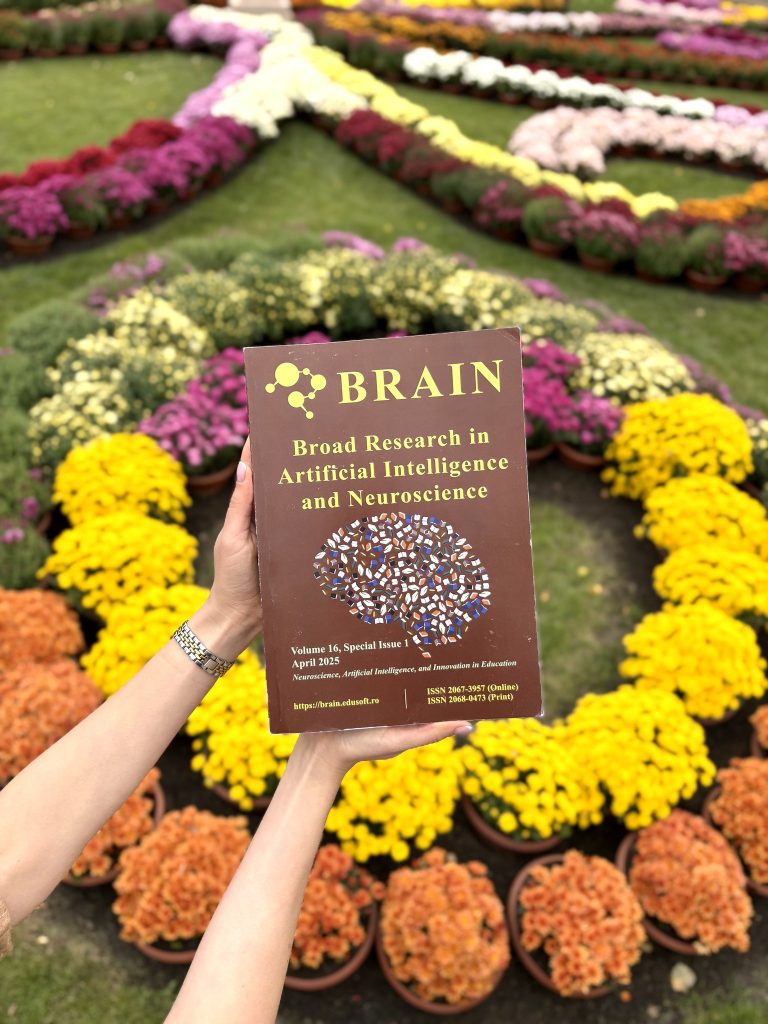
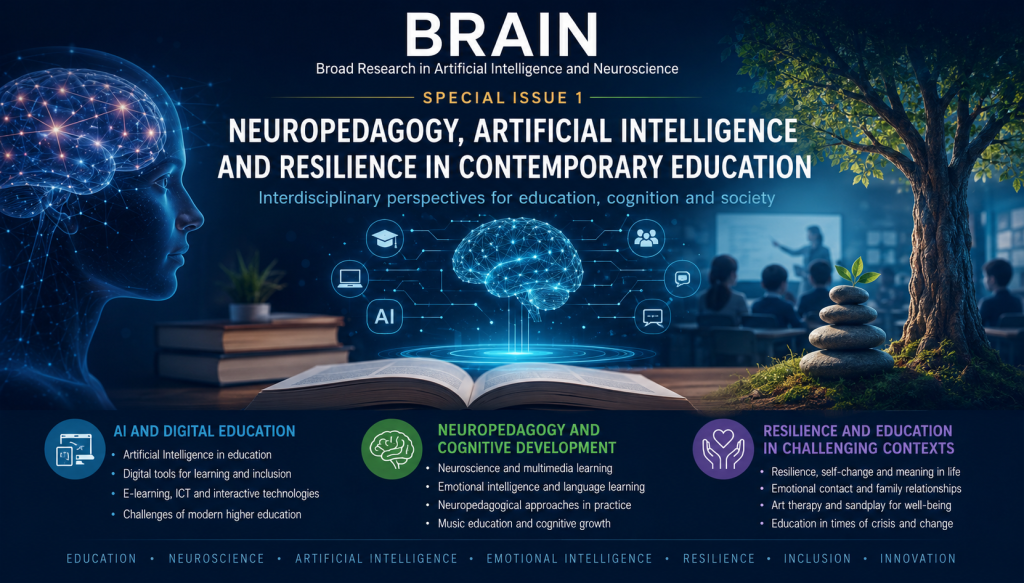
    Special Issue 1: Neuropedagogy, Artificial Intelligence and Resilience in Contemporary Education.

    We are delighted to announce that, at the beginning of July, BRAIN. Broad Research in Artificial Intelligence and Neuroscience will publish Special Issue 1: Neuropedagogy, Artificial Intelligence and Resilience in Contemporary Education.

    This special issue represents one of the most coherent and academically robust collections published by the journal to date. It stands out through its clear thematic unity, the strong compatibility of the included contributions, its excellent alignment with the scientific profile of BRAIN, and its outstanding international relevance.

    The volume brings together scholars from diverse educational and research contexts, exploring three major thematic directions:

    🔹 AI and Digital Education

    • Artificial Intelligence as a Tool for Inclusive Educational Planning
    • Ethical Uses of Artificial Intelligence in Higher Education
    • AI and Interactive Technologies in Cognitive Language Acquisition
    • ICT in the Training of Translators and Interpreters
    • Neuropsychological Aspects of E-learning
    • Distance Education in the Era of Digitalisation
    • Flipped Classrooms and Autonomous Learning
    • Contemporary Challenges in Legal Education

    🔹 Neuropedagogy and Cognitive Development

    • Neuroscientific Foundations of Multimedia Technologies
    • Neuropsychological Education for Preschool Children
    • Emotional Intelligence and Intercultural Competence
    • Foreign Language Acquisition and Emotional Intelligence
    • Neuropedagogical Approaches in Tactical Training
    • Music Education During Wartime in Ukraine
    • Musical and Patriotic Education under New Socio-Political Conditions

    🔹 Resilience and Education in Challenging Social Contexts

    • Resilience, Self-Change and Meaning in Life
    • Emotional Contact between Parents and Children
    • Art Therapy in the Digital Age
    • Sandplay Therapy for Reducing Stress in Children

    This special issue offers valuable insights into the intersections of neuroscience, education, artificial intelligence, emotional development, and resilience, addressing some of the most pressing challenges facing contemporary societies and educational systems.

    Stay tuned for its official release in early July.

  • News

    Exploring Intertextuality and Translation Regarding Cognitive and Neurolinguistic Aspects: An E-Learning Perspective

    This research delves into the intricate interplay of intertextuality and translation within the digital learning landscape, with a specific focus on the cognitive and neurolinguistic dimensions. By scrutinising the utilisation of intertextuality in e-learning environments, the study aims to unravel the mechanisms through which intertextual approaches can be employed to enrich language learning and elevate translation proficiency.


    Using a qualitative research approach, the study systematically analyses relevant literature to explore how intertextual strategies enhance language acquisition and translation proficiency. Drawing critical insights from e-learning contexts, this article not only unveils the potential advantages but also addresses the challenges inherent in integrating intertextuality into translation practices in the digital age.


    The findings indicate that incorporating intertextual elements – such as hyperlinks to related texts, multimedia resources, and cultural references – significantly improves learners’ comprehension, critical thinking, and contextual awareness. Specifically, leveraging intertextual cues such as hyperlinks to pertinent texts, multimedia resources, and cultural references proves instrumental in enhancing learners’ comprehension, stimulating critical thinking, and facilitating the establishment of connections between diverse texts and contexts.


    The research underscores the cognitive processes involved in intertextual comprehension, including memory activation, attention regulation, and semantic integration, which are crucial for effective translation in e-learning settings. Furthermore, the study underscores the significance of adopting a collaborative approach to both translation and intertextuality within the digital realm.


    The imperative for learners to actively participate in dialogue and idea exchange emerges as a key element in fostering cross-cultural understanding, aligning with the broader cognitive and neurolinguistic aspects of intertextuality comprehension. The conducted research not only sheds light on the transformative potential of intertextuality and translation in e-learning environments but also accentuates their profound implications for cognitive and neurolinguistic processes. 

  • News

    The Impact of Digital Technology on Educational Reform: The Role of Artificial Intelligence in Education

    The significance of this study lies in the inevitability with which the challenges of digitalisation have impacted the educational sector. As a consequence of the globalising tendencies characteristic of postmodern society, technologies facilitating the integration of information resources have increasingly permeated educational systems.


    Within the context of postmodernism, a prevailing global trend in education is the transition of pedagogical practices to a technologically advanced framework, necessitating the systematic incorporation of information technologies. The vector of change in education points to the need to expand the scope of innovation. In today’s rapidly evolving world, education is undergoing significant changes influenced by digital technologies.


    This article explores how new technologies, in particular artificial intelligence, are transforming traditional teaching methods, making them more interactive, effective, and accessible. The author analyses the advantages of personalised learning, which allows to adapt the educational process to the individual needs of each student. In addition, the role of e-learning in ensuring flexibility and accessibility of education is discussed. Explored the potential of artificial intelligence in education, its ability to analyse large amounts of data, adapt learning materials, and provide individualised support to students.

  • News

    Creating a Model of Music Teacher Training by Integrating Distance and Full-Time Modes of Learning: Current Approaches in Education

    The study is devoted to the problem of the formation of mastery of music teachers based on the integration of distance and face-to-face learning as an aspect of neuropedagogy. This problem has not been studied in the scientific and methodological literature, although digital means of communication have long penetrated the sphere of musical and pedagogical education.


    The task of designing a model of professional music teacher training, which has changed due to the introduction of distance learning for future music teachers, remains relevant. In the course of the research, theoretical system-analytical methods were used, methodical materials and experience of university teachers were studied in the field of developing a model of teaching music students in conditions of integration of remote and full-time forms of work.


    In the context of the research, scientific research on neuropedagogy was analyzed, conceptual and categorical components of the research work were determined. The main focus of the study is related to the principles of building a model of professional training of a music teacher based on the integration of distance and full-time forms of education.


     In order to realize the research goal, the method of synthesis and analysis, integration, research, descriptive and scientific methods were applied. The method of generalization was used to determine the results of the research work, which formed an idea about the neuropedagogical essence of the formation of professional competence of a musician.

  • Varia

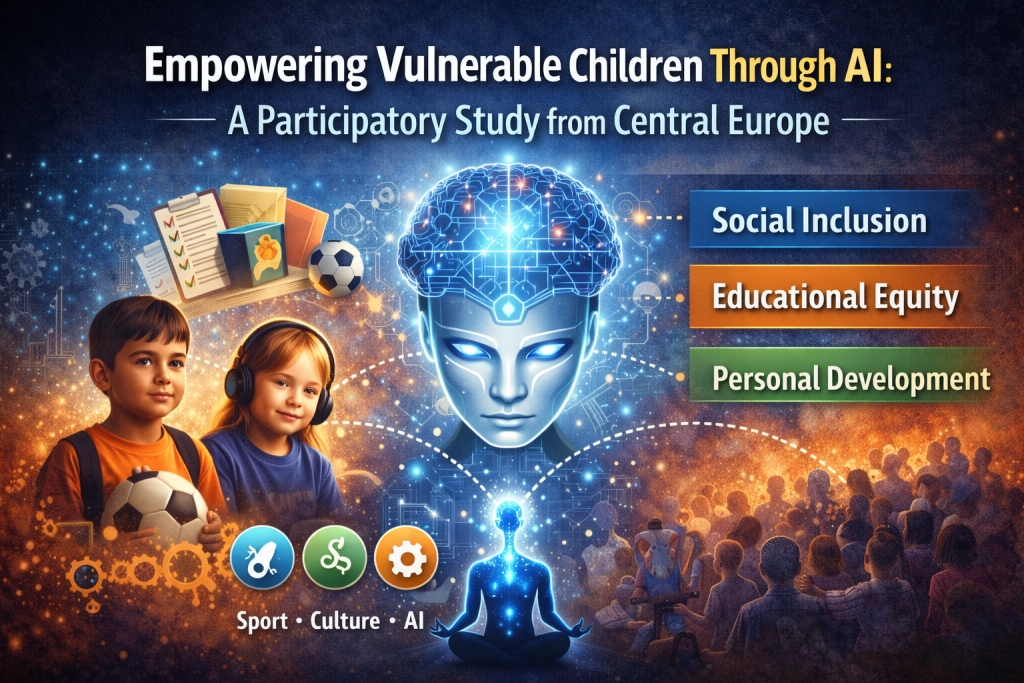
    Empowering Vulnerable Children Through AI: A Participatory Study from Central Europe

    Children living in residential childcare institutions worldwide face significant barriers to social inclusion, personal development, and educational equity. This article reports findings from the international project Sport, Culture, and Education: Empowering Visegrad’s Children for a Brighter Future, which integrating non-formal education, cultural expression, and sports to foster inclusion and 21st-century competencies among children in residential childcare.


    An important innovation of the project was the integrative use of artificial intelligence (AI) to support pedagogical planning, adaptive content creation, and participatory evaluation processes. Employing a participatory action research design and mixed methods, the study involved 68 children from residential childcare institutions in the Czech Republic, Slovakia, and Ukraine, accompanied by 21 childcare professionals.


    Results show that AI has significantly enhanced the quality and individualisation of educational and cultural interventions, while also improving the efficiency of data collection and analysis. At the same time, our study highlights critical ethical, linguistic, and contextual challenges to the deployment of AI in these vulnerable populations. The article discusses the broader implications of AI in the context of residential childcare. It presents evidence-based recommendations for educators, not only in residential childcare settings but also those seeking to employ AI responsibly and effectively in the fields of child welfare and inclusive education.

  • News

    Psychological Counseling as a Means of Developing the Athlete’s Personality

    The article analyzes theoretical and methodological foundations of sports psychological counseling, taking into account professional requirements for the personality of the athlete. The problem of the influence of psychological counseling on the personal development of the athlete is theoretically examined. Recent technologies of psychological counseling for the personal development of athletes are presented.


    The main tasks of sports and psychological counseling on personal development are considered. The personal criteria of formation of psychological readiness of the athlete for professional activity in the context of the personality-oriented approach to sports-psychological counseling are specified. The influence of professional deformations on the structure of the athlete’s personality is emphasized and consultative technologies of their weakening are offered.


    At the methodological and applied level it is proved that in the sports-psychological counseling the problem of development of the athlete’s personality is inextricably linked with his / her individual sports style. Recommendations on technologies for the development of the client’s confidence on the principles of trust and partnership in the process of counseling work with the conveyance have been developed, taking into account the individual approach, the presence of personal deformities in the client-athlete.

  • Research Publications

    Editorial Note on “Markov Blankets and Cognitive Dysfunction in mTBI: Insights from Simulation Models.”

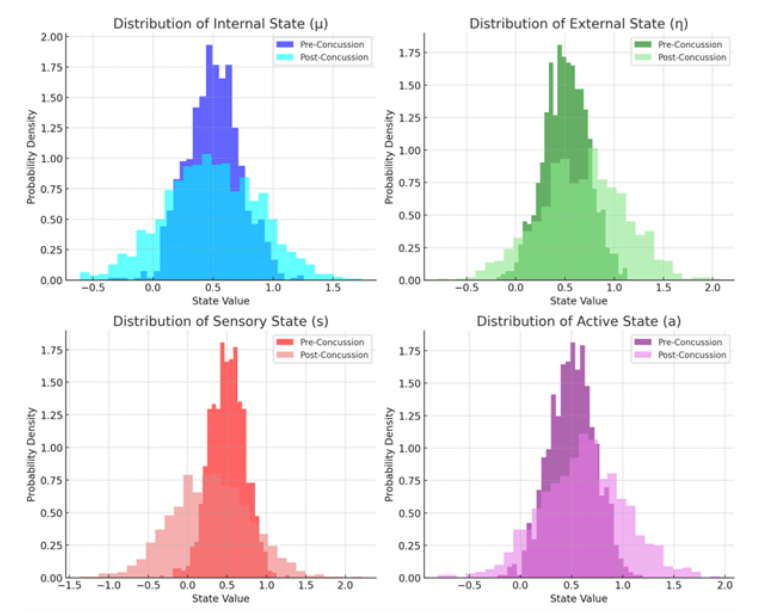
    In Volume 15, Issue 3 (February 2026) of BRAIN. Broad Research in Artificial Intelligence and Neuroscience, we are pleased to present the article “Markov Blankets and Cognitive Dysfunction in mTBI: Insights from Simulation Models.”

    This contribution stands out for its interdisciplinary integration of neuroscience, artificial intelligence, and computational modeling to address a clinically significant problem: the persistent cognitive deficits associated with mild Traumatic Brain Injury (mTBI). The authors propose an original perspective by applying the theoretical construct of Markov blankets to the pathophysiology of post-concussion cognitive dysfunction.

    Through carefully designed simulation models, the study illustrates how neurometabolic disturbances and reduced neural connectivity following mTBI may disrupt the functional boundaries between internal and external brain states. By framing these disruptions in terms of predictive coding impairment, the paper offers a compelling explanation for delayed sensory processing, motor disturbances, and cognitive instability frequently observed in affected patients.

    We consider this work particularly valuable for advancing conceptual bridges between theoretical neuroscience and clinical neurology. It not only deepens our understanding of how brain injuries affect cognitive architecture, but also suggests promising directions for future diagnostic frameworks and therapeutic strategies grounded in computational neuroscience.

    We believe this article will be of significant interest to researchers and clinicians working at the intersection of brain science, artificial intelligence, and cognitive modeling.

  • Research Publications

    Psychological Counseling as a Means of Developing the Athlete’s Personality

    This article provides an in-depth analysis of the theoretical and methodological foundations of sports psychological counseling, with a particular focus on the professional and personal requirements placed on athletes. It examines how psychological counseling influences an athlete’s personal development, emphasizing the importance of individualized support in addressing the complex psychological demands of high-performance sports.


    The study reviews contemporary technologies and approaches used in psychological counseling to foster personal growth, mental resilience, and professional readiness among athletes. It outlines the primary tasks of sports psychological counseling, identifying key personal criteria that contribute to the formation of psychological preparedness within a personality-oriented framework. Special attention is given to the influence of professional deformations—patterns of stress, maladaptation, or rigid behaviors that may emerge within an athletic career—and the consultative strategies designed to mitigate their impact.


    At both methodological and applied levels, the article demonstrates that an athlete’s personal development is closely tied to their individual sports style, requiring flexible and tailored counseling interventions. The authors propose practical recommendations for enhancing confidence-building processes between counselor and athlete, grounded in principles of mutual trust, partnership, and individualized support. These insights contribute to a more nuanced understanding of how psychological counseling can effectively address personal challenges while strengthening the athlete’s overall professional trajectory.

  • Research Publications

    Modern Web Design and Blog Design: Virtual Reality and Augmented Reality

    This multidisciplinary study explores the intersection of web design, art, and neuroscience — highlighting how virtual and augmented reality technologies reshape digital aesthetics, perception, and creative education. Conducted by scholars from leading Ukrainian universities of design and art, the paper analyzes how modern web and blog design contribute to visual culture, artistic self-expression, and human interaction within the digital environment.


    Authors:
    Rada Mykhailova – Doctor of Art Criticism, Full Professor, Interior Design and Furniture Design Department, Kyiv National University of Technologies and Design, Ukraine
    Oksana Abramova – Candidate of Pedagogical Sciences, Associate Professor, Department of Technology and Professional Education, Volodymyr Vynnychenko Central Ukrainian State University, Ukraine
    Nataliia Kravchenko – PhD in Fine Arts, Associate Professor, Head of the Department of Graphic Design, National University of Technologies and Design, Ukraine
    Inna Petrova – Doctor of Historical Sciences, Associate Professor, Professor at the Department of Graphic Design, Mykhailo Boichuk Kyiv State Academy of Decorative Applied Arts and Design, Ukraine
    Ivan Nebesnyk – Candidate of Science in Art Criticism, Associate Professor, Head of the Department of Design, Faculty of Decorative Arts and Design, Transcarpathian Academy of Arts, Ukraine
    Maryna Sofilkanych – Doctor of Philosophy, Associate Professor, Dean of the Faculty of Decorative Arts and Design, Transcarpathian Academy of Arts, Ukraine


    Introduction

    The rapid evolution of information and communication technologies (ICTs) has transformed both the visual and perceptual dimensions of human experience.
    Web design — once a primarily functional craft — has become a form of digital art that models space, mediates identity, and projects virtual worlds.

    The article “Modern Web Design and Blog Design: Virtual Reality and Augmented Reality” reflects on how aesthetic principles, neuropsychological mechanisms, and immersive technologies interact in shaping the modern digital environment.


    The Role of Web Design in Contemporary Culture

    Web design and blog design are viewed as aesthetic, communicative, and cognitive phenomena.
    They represent:

    • A creative interface between human consciousness and digital technology;
    • A means of constructing virtual spaces of interaction and identity;
    • A reflection of broader cultural transformations brought by the digital era.

    The authors argue that web design is not only about visual composition and usability — it is also about the emotional and neuropsychological engagement of the viewer. The design process influences how users perceive, navigate, and internalize digital content.


    Educational Relevance and Art Pedagogy

    The study emphasizes the importance of teaching web design fundamentals in art and design education.
    Students must develop both technical skills and aesthetic sensitivity, learning to integrate artistic principles with modern ICT tools.

    Key stages in web design education include:

    1. Understanding the structure and logic of digital interfaces;
    2. Applying visual composition and color theory to screen-based media;
    3. Exploring user experience (UX) and interaction design;
    4. Engaging with virtual and augmented reality to expand creative expression.

    In this way, web and blog design become part of the broader process of forming digital literacy and aesthetic culture among future professionals.


    Virtual and Augmented Reality: Neuropsychological Perspectives

    The article investigates how virtual reality (VR) and augmented reality (AR) affect human cognition and perception.
    By stimulating multiple sensory systems, VR and AR engage spatial awareness, memory, and visual imagination, leading to new ways of experiencing and interpreting digital environments.

    From a neuropsychological standpoint, perception of virtual environments involves:

    • The activation of visual and motor cortices, simulating real-world interactions;
    • The creation of embodied experiences, where users feel “present” within digital space;
    • The modulation of emotional responses through immersive aesthetics and interactive design.

    The authors conclude that web design incorporating VR and AR elements extends the boundaries of traditional aesthetics and redefines the relationship between the user and the virtual world.


    Artistic and Cultural Dimensions

    In the context of art and design, web aesthetics contribute to the formation of a new worldview, where:

    • The digital environment becomes an artistic medium;
    • The designer assumes the role of both artist and cognitive architect;
    • The user participates in co-creation, blurring the line between creator and observer.

    As the Internet becomes a global stage for creativity, web design and blogging serve as tools for self-expression, identity construction, and social commentary.
    These platforms merge artistic sensibility with technological innovation, reflecting the dynamic interplay between humanity, information, and imagination.


    Conclusions

    The study concludes that modern web and blog design, especially through the integration of VR and AR technologies, represent a new synthesis of art, science, and technology.
    They model virtual spaces that expand human perception, stimulate creativity, and reshape aesthetic experience.

    The neuropsychological mechanisms of digital perception highlight the active role of the brain in interpreting and emotionally engaging with virtual content.
    Thus, web design is both a technological discipline and an artistic endeavor, vital for understanding the evolving culture of the information age.

    Read the full article here: https://doi.org/10.18662/brain/14.3/481.

  • Research Publications

    Psychometric Validation of the Romanian Version of the Santa Clara Strength of Religious Faith Questionnaire (SCSRFQ)

    This study presents the adaptation and validation of the Santa Clara Strength of Religious Faith Questionnaire (SCSRFQ) for the Romanian population. Conducted by researchers from the Iuliu Hațieganu University of Medicine and Pharmacy in Cluj-Napoca, Romania, the study evaluates the reliability and factor structure of the instrument, confirming its suitability for assessing the strength of religious faith in Romanian-speaking samples.


    Authors:
    Romulus-Dan Nicoară – Iuliu Hațieganu University of Medicine and Pharmacy, Cluj-Napoca, Romania (RO)
    Ana-Maria Nicoară – Iuliu Hațieganu University of Medicine and Pharmacy, Cluj-Napoca, Romania (RO)
    Raluca Trifu – Department of Medical Psychology, Iuliu Hațieganu University of Medicine and Pharmacy, Cluj-Napoca, Romania (RO)
    Florin Vasile Mihăileanu – Iuliu Hațieganu University of Medicine and Pharmacy, Cluj-Napoca, Romania (RO)
    Horia-George Coman – Department of Medical Psychology, Iuliu Hațieganu University of Medicine and Pharmacy, Cluj-Napoca, Romania (RO)


    Introduction

    Religious faith represents an essential psychological and cultural dimension of human life, influencing well-being, coping mechanisms, and social behavior. To evaluate this construct, The Santa Clara Strength of Religious Faith Questionnaire (SCSRFQ) is widely used internationally due to its brevity, clarity, and psychometric robustness.

    The current research aimed to adapt and validate the SCSRFQ for Romanian participants, ensuring cultural and linguistic equivalence and testing its internal consistency and factorial validity.


    Methodology

    A total of 201 participants, aged between 18 and 77 years, completed a socio-demographic data sheet and the SCSRFQ. Both the 10-item version and the short 5-item version (SCSRFQ-SF) were analyzed.

    Psychometric evaluation included:

    • Internal consistency analysis (Cronbach’s alpha)
    • Exploratory Factor Analysis (EFA)
    • Confirmatory Factor Analysis (CFA)

    Results

    The Romanian version of the SCSRFQ demonstrated excellent internal consistency, with a Cronbach’s alpha of 0.95, indicating high reliability.

    Both EFA and CFA supported a unidimensional factor structure, consistent with the original theoretical model of the scale. These findings confirm that all items contribute meaningfully to measuring the same underlying construct: the strength of religious faith.


    Discussion

    The psychometric results confirm that the Romanian version of the SCSRFQ maintains the conceptual integrity and structural coherence of the original instrument. The strong reliability and factorial validity suggest that this adaptation can be effectively used in clinical, psychological, and sociological research to explore the role of faith and spirituality in mental health, resilience, and moral development.


    Conclusion

    The study concludes that the Romanian adaptation of the Santa Clara Strength of Religious Faith Questionnaire is a valid and reliable instrument for assessing the intensity of religious faith. Its brevity and strong psychometric properties make it particularly suitable for both research and applied psychological settings.

    Read the full article here: https://doi.org/10.18662/brain/14.2/442.

  • Varia

    Meet the Team Behind BRAIN Journal

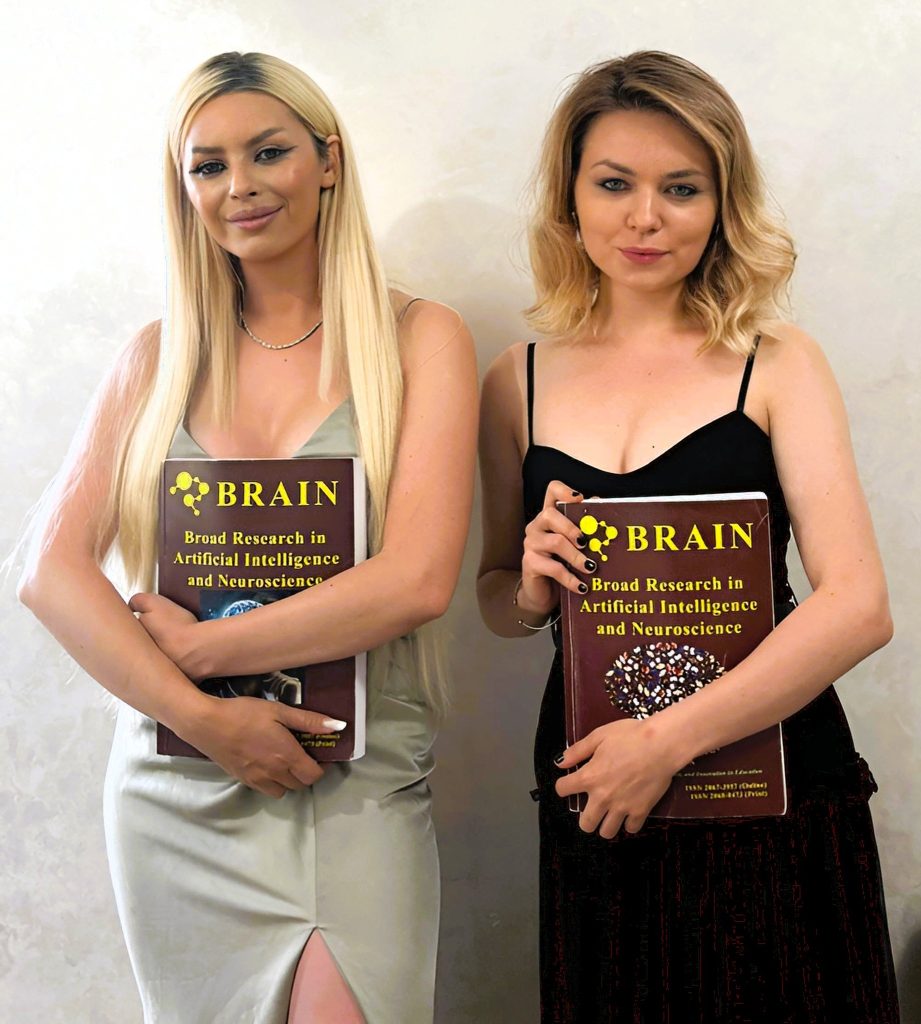
    We are pleased to introduce part of the dedicated team behind BRAIN – Broad Research in Artificial Intelligence and Neuroscience.

    In this photo, you can see Dr. Claudia Tugulea (left) and Dr. Diana Ciubotaru (right), two of the passionate and committed colleagues who bring their expertise, creativity, and vision to our editorial mission.


    Together with Editor-in-Chief Dr. Bogdan Pătruț and Associate Editors Dr. Jude Hemanth and Dr. Utku Kose, our young and dynamic team works continuously to strengthen the quality of the editorial process and to position BRAIN Journal as a global platform for innovative and interdisciplinary research.

    We look forward to continuing this journey of collaboration, excellence, and scientific advancement — shaping the future of knowledge together.

  • Research Publications

    Solidarity and Individualism in Gender Relations — The Dilemma of Power Dynamics within the Contemporary Couple

    This sociological study explores the tension between solidarity and individualism in gender relations, analyzing how power dynamics manifest in modern couples despite the growing discourse around equality. Authored by Iulian Apostu, researcher at the Institute of Sociology, Romanian Academy, the paper highlights how traditional cultural patterns continue to shape marital roles, even as societies adopt the language and ideals of gender equity.


    Author:
    Iulian Apostu – Researcher, Institute of Sociology, Romanian Academy, Bucharest, Romania (RO)


    Introduction

    The image of the contemporary couple is often portrayed as one rooted in equality, mutual respect, and balance — a relationship model reflecting modernity’s ideals of partnership and solidarity. Yet, when empirical data is examined, a different reality emerges: traditional hierarchies and gender asymmetries continue to persist beneath the surface of declared modernity.

    The study “Solidarity and Individualism in the Gender Relations — The Dilemma of the Power Relations within the Contemporary Couple” investigates the contradictions between declared egalitarian values and actual behavioral patterns, offering a critical perspective on how modern couples navigate power, autonomy, and shared responsibility.


    Cultural Persistence and Slow Modernization

    While contemporary discourse promotes equality in marital and domestic roles, national statistics reveal a slower pace of transformation.
    For example, according to data from the Gender Barometer:

    • In 2000, 63% of respondents believed that it was a woman’s duty to manage household chores.
    • In 2018, this percentage had decreased to 58%.
      Similarly, the belief in a man’s superior ability to lead the family decreased by only 9.8% over two decades (Grünberg, 2019).

    These figures indicate that, despite progress, mentalities evolve much more slowly than declarations of equality. The rhetoric of marital modernity coexists with deeply rooted cultural legacies that continue to shape family dynamics and role expectations.


    Solidarity vs. Individualism in Couple Dynamics

    Modern couples are situated at the intersection between tradition and postmodernity, oscillating between:

    • Solidarity, understood as shared responsibility, emotional support, and cooperation; and
    • Individualism, marked by the pursuit of autonomy, self-fulfillment, and personal space.

    This duality creates a complex negotiation of power and identity within the relationship.
    While solidarity is celebrated as a moral and emotional ideal, individualism often prevails in practice, shaping how partners perceive authority, contribution, and fairness.

    The author notes that modernity has changed the discourse, not necessarily the behavior — individuals express egalitarian beliefs but continue to reproduce traditional practices in daily life.


    Power Relations and Gendered Role Distribution

    Power distribution within the couple remains a central theme of this study.
    The persistence of patriarchal cultural elements — transmitted through education, family models, and socialization — ensures that:

    • Decision-making and authority often remain male-dominated,
    • Domestic labor and emotional caregiving remain female-centered,
    • Economic independence does not always translate into symbolic equality.

    These dynamics illustrate what the author calls “asymmetrical modernity” — a coexistence of progressive values and traditional behaviors that produce ongoing tension in marital relations.


    Methodological Premise

    The study operates on the premise that modern marital values have primarily transformed the declared behavioral discourse, rather than the practiced behavioral reality.
    In other words, young couples may express support for equality, yet their lived interactions often reflect traditional hierarchies and culturally inherited role divisions.

    This phenomenon reveals the sociocultural inertia of gender norms — the endurance of long-standing beliefs even amid societal modernization.


    Discussion: Between Symbolic Equality and Practical Hierarchy

    The study draws attention to the contradiction between symbolic equality and practical inequality:

    • Symbolic equality refers to the declared belief in egalitarian partnerships;
    • Practical hierarchy manifests in decision-making, financial control, and domestic work distribution.

    Thus, modern couples are engaged in an ongoing negotiation between cooperation and competition, solidarity and autonomy, collective identity and self-assertion. The result is a fragile equilibrium that constantly shifts under the pressures of cultural tradition, social expectation, and personal ambition.


    Conclusion

    The paper concludes that the modernization of marital roles in Romania and similar societies remains partial and ambivalent.
    While individualism has empowered both partners to pursue autonomy and self-expression, solidarity — as the moral foundation of the couple — is often weakened by residual traditionalism and slow-changing social attitudes.

    True gender equality in relationships, the author argues, requires more than legislative or discursive progress. It demands a deep cultural transformation — one that redefines both power and care as shared human values rather than gendered roles.


    Read the full article here: https://doi.org/10.18662/brain/14.2/457.

  • Research Publications

    The Evolutionary Principles of the Attractiveness of Symmetry and Their Possible Sustainability in the Context of Research Ambiguities

    This article investigates the evolutionary and neuropsychological mechanisms underlying human preference for symmetry — a principle long associated with beauty in both natural and artistic contexts. Conducted by researchers from the University of Ss. Cyril and Methodius in Trnava, Slovakia, the study explores why symmetry continues to captivate human perception and how modern research, despite its contradictions, still supports its evolutionary relevance.


    Authors:
    Slavka Demuthova – University of Ss. Cyril and Methodius in Trnava, Slovakia (SK)
    Dominika Minarova – University of Ss. Cyril and Methodius in Trnava, Slovakia (SK)


    Introduction

    Since ancient times, symmetry has been regarded as one of the foundational principles of beauty. From Greek sculpture and Renaissance art to modern design and neuroscience, it has symbolized harmony, proportion, and balance.

    However, contemporary research presents a paradox: while many studies confirm symmetry’s role in perceived attractiveness, others challenge its universality. The paper “The Evolutionary Principles of the Attractiveness of Symmetry and Their Possible Sustainability in the Context of Research Ambiguities” seeks to clarify this tension by identifying the evolutionary and neurophysiological bases for symmetry preference and explaining the ambiguities found in current findings.


    Evolutionary Foundations of Symmetry Preference

    Drawing upon evolutionary psychology and neuroscience, the authors propose five key principles that explain why symmetry has remained an enduring marker of beauty and desirability throughout human evolution:

    1. Symmetry as an Honest Signal of Health
      Symmetry is viewed as a visible indicator of genetic quality and physiological health. Minor asymmetries often result from developmental instability or environmental stress, making symmetrical traits reliable cues for reproductive fitness.
    2. Symmetry as Proof of Developmental Stability
      Organisms that maintain symmetry despite genetic mutations or environmental challenges demonstrate resilience and biological integrity, making symmetry evolutionarily advantageous.
    3. Effectiveness
      Symmetrical structures tend to function more efficiently — in movement, perception, and reproduction — which supports survival and reproduction, reinforcing a subconscious attraction to symmetry.
    4. Comprehensibility
      Symmetry reduces cognitive load. The human brain processes symmetrical forms more easily, finding them predictable and aesthetically pleasing due to lower perceptual effort.
    5. Predictability
      Evolution favored organisms capable of detecting patterns and regularity in their environment. Symmetry thus evokes a sense of order, stability, and control, which the mind instinctively associates with safety and beauty.

    Contradictory Findings and Research Ambiguities

    Despite robust evidence supporting these principles, empirical studies have yielded contradictory results. Some research suggests that people do not always prefer perfect symmetry and that context, individual differences, and cultural factors may moderate its perceived attractiveness.

    For instance:

    • Slight asymmetries in facial features or natural forms may enhance distinctiveness and increase perceived authenticity.
    • Aesthetic preferences can shift based on environmental cues, cultural exposure, or emotional states.
    • In some contexts, asymmetry adds character or expressiveness, making it more appealing than rigid perfection.

    These observations led the authors to develop three integrative hypotheses to reconcile traditional and modern interpretations.


    Three Integrative Hypotheses

    1. The Naturalness Hypothesis
      Symmetry is attractive only to the extent that it occurs naturally within the subject. Excessive or artificial symmetry may appear unnatural, evoking discomfort rather than admiration.
    2. The Accent Hypothesis
      Minor asymmetries do not contradict the principles of symmetry; rather, they highlight and emphasize symmetry, making it more noticeable and aesthetically engaging.
    3. The Ecology Hypothesis
      The attractiveness of symmetry is context-dependent — influenced by environmental and situational factors, as well as by the type of subject being evaluated (e.g., human faces, natural objects, or abstract designs).

    These hypotheses offer a framework for understanding the continuity of symmetry’s evolutionary role, while acknowledging the complexity and variability of human aesthetic experience.


    Neuroscientific Perspective

    Recent findings in neuroaesthetics reveal that symmetrical stimuli activate brain regions linked to reward, pattern recognition, and emotional regulation — including the orbitofrontal cortex and ventral striatum.
    However, deviations from perfect symmetry can also trigger positive emotional responses when they enhance visual interest or individuality, suggesting that beauty arises from an optimal balance between order and variation.


    Conclusion

    The study concludes that symmetry continues to serve as an evolutionary and neurophysiological foundation of attractiveness, even amidst research ambiguities. Rather than being an absolute criterion of beauty, symmetry operates as a dynamic principle shaped by biological adaptation, cognitive efficiency, and aesthetic context.

    The proposed hypotheses — naturalness, accent, and ecology — bridge classical theories and contemporary empirical findings, offering a nuanced understanding of how human beings perceive harmony in both nature and art.

    The authors recommend future interdisciplinary research combining evolutionary biology, neuroscience, and aesthetic psychology to further test and refine these models of perception.


    Read the full article here: https://doi.org/10.18662/brain/14.1/433.

  • News

    Academic Pride and Global Collaboration

    We are pleased to announce an outstanding international academic achievement involving three editors of BRAIN. Broad Research in Artificial Intelligence and Neuroscience:

    Dr. Bogdan Pătruț – Editor-in-Chief, Romania
    Dr. Jude Hemanth – Associate Editor, India
    Dr. Utku Kose – Associate Editor, Turkey


    They have served as editors of the volume:
    Smart Applications with Advanced Machine Learning and Human-Centred Problem Design, published by Springer (2023).
    Read more on SpringerLink


    About the Volume

    This publication gathers research presented at the 3rd International Conference on Artificial Intelligence and Applied Mathematics in Engineering (ICAIAME).

    The volume explores current developments and applications in:

    • Advanced Machine Learning
    • Human-Centered AI Problem Design
    • Intelligent IoT and Cyber-Physical Systems
    • Engineering Innovation for a Sustainable Future

    It is published as part of the Engineering Cyber-Physical Systems and Critical Infrastructures book series by Springer.


    A Remarkable Collaboration

    Through this collective effort, the editors have strengthened academic cooperation between Romania, India, and Turkey, contributing to the global advancement of research in Artificial Intelligence, Applied Mathematics, and Neuroscience.

    We extend our sincere congratulations to our editors for their dedication, professionalism, and continued commitment to promoting interdisciplinary excellence in science and technology.

  • Research Publications

    Antinomicity of the Good–Truth–Beauty Triad on the Internet

    This philosophical study explores how the classical triad of values — Goodness, Truth, and Beauty — transforms within the digital and networked culture of the Internet. Conducted by scholars from Lviv Polytechnic National University, Ukraine, the article analyzes how these timeless categories are reinterpreted, distorted, and sometimes inverted in the context of online communication, social media aesthetics, and virtual morality.


    Authors:
    Oksana V. Onyshchuk – Associate Professor, Ph.D., Department of Philosophy, Lviv Polytechnic National University, Lviv, Ukraine (UA)
    Olesia V. Pankiv – Associate Professor, Ph.D., Department of Philosophy, Lviv Polytechnic National University, Lviv, Ukraine (UA)
    Maria V. Sinelnikova – Associate Professor, Ph.D., Department of Philosophy, Lviv Polytechnic National University, Lviv, Ukraine (UA)


    Introduction

    The digital age has created a new space for human interaction — the Internet as a cultural ecosystem. Within this space, the traditional value triad of Good, Truth, and Beauty, which has guided human thought since antiquity, is undergoing profound transformations.

    The study “Antinomicity of the Good–Truth–Beauty Triad on the Internet” investigates how epistemological, moral, and aesthetic categories manifest and conflict in digital culture, where anonymity, speed, and image-based communication redefine what is considered true, beautiful, or good.


    Research Focus

    The authors analyze how:

    • The boundaries between good and evil, truth and falsehood, beauty and ugliness are blurred in the virtual space;
    • Social media platforms shape new forms of moral perception and aesthetic judgment;
    • Online anonymity and symbolic communication foster moral relativism and aesthetic inversion — where deception can appear as truth, and moral evil may be disguised as beauty.

    This antinomic interplay — where each value turns into its opposite — forms the philosophical center of the study.


    Epistemological Perspective: Truth and Illusion in the Digital World

    In traditional philosophy, Truth is linked to correspondence, coherence, and authenticity.
    However, the Internet — as an open and decentralized medium — challenges these standards by:

    • Allowing plural truths and subjective narratives;
    • Enabling simulated realities (memes, AI-generated content, deepfakes) that replace verification with virality;
    • Transforming knowledge into information flow, measured by visibility rather than validity.

    The authors argue that epistemic authority online is not rooted in expertise or evidence but in network influence and emotional resonance, which distorts the original philosophical ideal of Truth as a path to understanding.


    Moral-Ethical Dimension: The Erosion of Good and Evil

    In the moral sphere, the study highlights the equivalence and confusion between good and evil that emerge in virtual spaces.
    Social networks, through mechanisms of anonymity, gamification, and symbolic performance, reduce moral responsibility and encourage ethical ambivalence.

    Acts of aggression, manipulation, or hate speech can be framed as self-expression or freedom of speech, while genuine empathy or altruism may appear performative or insincere.

    The authors warn that this moral inversion — where permissiveness replaces conscience — erodes ethical norms and creates a fertile ground for digital propaganda, polarization, and disinformation.


    Aesthetic Aspect: The Representation of Evil as Beauty

    The study pays special attention to aesthetic experience as both a reflection and justification of moral ambiguity online.

    In digital culture, aesthetic forms — images, symbols, memes, and narratives — become tools for reinterpreting or even glamorizing evil.
    Examples include:

    • The aestheticization of violence or suffering in visual culture;
    • The romanticization of dystopian or nihilistic themes;
    • The propaganda of moral indifference disguised as artistic freedom.

    Through this lens, Beauty can transform into a mask for moral decay, while aesthetic pleasure becomes disconnected from ethical reflection.


    Reflexive Judgment and the Role of Philosophy

    Despite these challenges, the authors argue that reflexive philosophical judgment — the ability to critically assess the interplay between ethics and aesthetics — remains essential for navigating online culture.

    By integrating aesthetic sensitivity with moral awareness, individuals can reclaim the humanizing function of art and beauty, restoring their connection to truth and goodness.

    This approach suggests that philosophy must act as a mediator, helping to reestablish moral orientation within a fragmented, algorithmic world.


    Conclusion

    The research concludes that the Internet has produced a new antinomy — a paradoxical coexistence of opposites — within the classical triad of Good, Truth, and Beauty.
    In the digital environment:

    • Good can appear as evil under the guise of freedom,
    • Truth can dissolve into multiplicity and simulation,
    • Beauty can conceal immorality behind aesthetic allure.

    Yet, through critical reflection and ethical-aesthetic education, it remains possible to restore harmony among these values.

    The study calls for philosophical literacy in the digital age, urging both scholars and users to recognize the transformative power of media aesthetics and to cultivate responsible engagement with the representations of good, truth, and beauty online.


    See full article here: https://doi.org/10.18662/brain/14.1/429.
  • Research Publications

    Detection of Intellectual Giftedness in Children of Different Ages and Methods of Its Development as an Aspect of Neurophysiological Development

    This article presents a comprehensive study on how intellectual giftedness manifests across different childhood stages and how neurophysiological mechanisms contribute to its identification and development. Authored by an interdisciplinary team of Ukrainian researchers, the study bridges educational psychology, neuroscience, and pedagogy to establish more effective methods for diagnosing and nurturing gifted children.


    Authors:
    Iryna Pidlypniak – Candidate of Pedagogical Sciences, Associate Professor, Senior Lecturer, Department of Psychology and Pedagogy of Child Development, Pavlo Tychyna Uman State Pedagogical University, Ukraine (UA)
    Oksana Marchuk – Doctor of Science in Pedagogy, Associate Professor, Professor, Department of General Pedagogy and Preschool Education, Academician Stepan Demianchuk International University of Economics and Humanities, Ukraine (UA)
    Victoriia Naichuk – Doctoral Student, Department of Psychology, Candidate of Psychological Sciences, H.S. Skovoroda Kharkiv National Pedagogical University, Ukraine (UA)
    Olena Tryfonova – Doctor of Science in Pedagogy, Full Professor, Department of Primary and Preschool Education, V.O. Sukhomlynskyi Mykolaiv National University, Ukraine (UA)
    Inokentii Korniienko – Doctor of Science in Psychology, Full Professor, Department of Psychology, Mukachevo State University, Ukraine (UA)
    Svitlana Mashchak – Associate Professor of Psychology, Candidate of Psychological Sciences, Lviv Polytechnic National University, Ukraine (UA)


    Introduction

    The concept of giftedness—its origins, definitions, and practical implications—has fascinated educators and philosophers for centuries. From the reflections of Plato and Confucius to the frameworks of modern cognitive science, the question remains: What makes a child gifted, and how can we nurture such potential effectively?

    This study, “Detection of Intellectual Giftedness in Children of Different Ages and Methods of Its Development as an Aspect of Neurophysiological Development,” explores giftedness not only as a set of observable traits but as a neurophysiological phenomenon—a product of complex interactions between brain development, environment, and educational influence.


    Purpose of the Study

    The research aims to:

    • Identify the neurophysiological and psychological foundations of intellectual giftedness in children of various ages;
    • Clarify the types and characteristics of giftedness and its developmental dynamics;
    • Develop effective diagnostic tools for recognizing intellectual giftedness;
    • Propose methods for supporting and cultivating these abilities through neurophysiological and pedagogical approaches.

    Theoretical Foundations

    Giftedness is conceptualized as a unique combination of cognitive, creative, and neurobiological traits that allows an individual to achieve exceptional results in a specific field.
    According to the authors, intellectual giftedness arises from:

    • Genetic predispositions influencing neural connectivity and brain plasticity;
    • Environmental stimulation that strengthens neural pathways related to problem-solving and creativity;
    • Motivational and emotional regulation, which sustain learning curiosity and cognitive engagement.

    Historically, thinkers such as Plato viewed giftedness as a divine quality, while Confucius emphasized discipline and moral cultivation. Modern neuroscience, however, explains giftedness as a synergy of cognitive processing speed, synaptic efficiency, and hemispheric balance, making it a measurable and developable quality.


    Methods

    The study employed:

    • Theoretical analysis and synthesis of educational, psychological, and neurophysiological literature;
    • Comparative evaluation of diagnostic frameworks used internationally for identifying giftedness;
    • Development of an integrated model linking pedagogical assessment with neurophysiological indicators (attention, memory, problem-solving speed, emotional regulation).

    Through this multi-method approach, the researchers sought to unify psychological theory with biological evidence, aligning giftedness research with current findings in neuroeducation.


    Key Findings

    1. Giftedness as a Neurophysiological Process
      Intellectual giftedness stems from the brain’s enhanced ability to process, integrate, and apply information. It involves efficient activation of prefrontal and parietal regions, superior working memory capacity, and heightened creative association patterns.
    2. Types of Giftedness
      • Cognitive giftedness – high analytical and logical reasoning abilities;
      • Creative giftedness – originality, divergent thinking, and imagination;
      • Academic giftedness – mastery of complex information in specific domains;
      • Social-emotional giftedness – empathy, leadership, and advanced interpersonal understanding.
    3. Diagnosis and Evaluation
      Effective detection of giftedness requires multidimensional assessment, combining:
      • Neuropsychological observation (attention span, response time, emotional control);
      • Behavioral indicators (curiosity, persistence, independence);
      • Pedagogical evaluation (learning pace, adaptability, innovative thinking).
    4. Methods for Development
      • Differentiated instruction and enrichment programs tailored to cognitive strengths;
      • Neurodevelopmental exercises improving memory, executive function, and focus;
      • Creative problem-solving workshops encouraging flexible thought;
      • Emotional intelligence training for balanced self-regulation and motivation.

    Discussion

    The authors emphasize that giftedness should not be treated as elitism, but as a responsibility — both for educators and society. Early recognition and appropriate support can prevent underachievement and social isolation often observed in gifted children.

    By adopting a neurophysiological approach, education systems can move beyond surface-level academic metrics toward a deeper understanding of how gifted minds learn, think, and feel.

    This perspective highlights that giftedness is not static — it can be nurtured and strengthened through targeted cognitive and emotional development.


    Conclusion

    The study concludes that intellectual giftedness represents a unique neurophysiological configuration — an integration of biological predispositions, cognitive processes, and psychosocial conditions.

    Identifying and developing giftedness requires a holistic model that unites neuroscience, pedagogy, and psychology. The proposed diagnostic and developmental methods offer a pathway for educators to recognize potential early, guide it effectively, and ensure that gifted children reach both their intellectual and emotional maturity.

    Such an approach contributes not only to individual fulfillment but also to societal innovation and progress, making the study of giftedness a key concern in contemporary education and neuropsychology.


    See full article here: https://doi.org/10.18662/brain/14.1/418.

  • News

    Important Announcement for BRAIN Journal Readers and Contributors

    Dear authors, readers, and partners,

    We are pleased to announce that the website of BRAIN. Broad Research in Artificial Intelligence and Neuroscience will soon undergo a process of modernization and optimization.


    What’s Coming Next

    In the upcoming months, our online platform will move from
    brain.edusoft.ro
    to
    brain.editora.ro

    The new version will feature a modern, fully responsive design, ensuring an improved browsing experience, including seamless access from mobile and tablet devices.


    What Remains Unchanged

    • All DOI codes assigned to published articles will be preserved and will automatically redirect to the new website.
    • The journal’s archive will continue to be accessible via edusoft.ro.
    • The editorial process, peer review, and article visibility will remain fully unaffected during the transition.

    Why This Change Matters

    This transformation is part of our ongoing effort to:

    • Enhance the user experience for readers, authors, and reviewers;
    • Ensure faster navigation and improved system stability;
    • Align our infrastructure with current technological standards and open-access publishing practices.

    Looking Ahead

    BRAIN Journal continues to evolve, maintaining its academic excellence and global accessibility while adopting a more dynamic, user-friendly platform that supports the growing research community in artificial intelligence, cognitive sciences, and neuroscience.

    We sincerely thank all our collaborators and readers for their trust, support, and engagement.
    We look forward to welcoming you soon to our upgraded digital home.

  • Research Publications

    Yoga and the States of Consciousness: A Perspective of Mircea Eliade on the Yoga Phenomenon

    This post explores the philosophical and spiritual depth of yoga through the interpretive lens of Mircea Eliade — the Romanian historian of religions, philosopher, and scholar whose work profoundly influenced modern understandings of Eastern spirituality. The paper, authored by Marius Cucu and Oana Lența from “Ștefan cel Mare” University of Suceava, Romania, revisits Eliade’s view of yoga as a timeless path toward expanded consciousness and inner harmony.


    Authors:
    Marius Cucu – Lecturer, Ph.D., “Ștefan cel Mare” University of Suceava, Romania (RO)
    Oana Lența – Associate Lecturer, Ph.D., “Ștefan cel Mare” University of Suceava, Romania (RO)


    Introduction

    In an age defined by distraction, anxiety, and digital overstimulation, the ancient discipline of yoga offers modern individuals a path to mental clarity and inner balance.

    This paper, “Yoga and the States of Consciousness: A Perspective of M. Eliade on the Yoga Phenomenon,” examines Mircea Eliade’s philosophical and phenomenological interpretation of yoga, exploring how his ideas remain relevant to contemporary seekers of spiritual depth and psychological equilibrium.

    The study revisits Eliade’s works such as “Yoga: Immortality and Freedom” and “The Myth of the Eternal Return”, illuminating how yoga, for Eliade, represents not only a physical or meditative practice, but a means of transcending ordinary consciousness and rediscovering the sacred dimension of existence.


    Mircea Eliade’s Vision of Yoga

    For Eliade, yoga is a science of the mind and spirit — a disciplined method of reintegration through which the practitioner seeks to escape the conditioned human state and reach supraconscious experience (samadhi).

    He regarded yoga as:

    • A technique of spiritual liberation (moksha), not merely a moral or religious doctrine;
    • A systematic exploration of consciousness, mapping the inner layers of human experience;
    • A universal path of transformation, transcending cultural and historical boundaries.

    By studying Patañjali’s Yoga-Sūtra alongside tantric and meditative traditions, Eliade emphasized that yoga provides a methodology for self-realization — a process of overcoming the illusion of separateness and reconnecting with the cosmic consciousness.


    Hindu Metaphysics and Yogic Foundations

    The authors analyze the Hindu metaphysical principles underlying the yoga tradition — concepts such as prakṛti (nature), puruṣa (pure consciousness), ātman (the Self), and karma (the moral law of action and consequence).

    They distinguish between:

    • Yoga-Sūtra (Classical Yoga) — a structured, ascetic approach emphasizing control of the mind, detachment, and meditation;
    • Secondary yogic typologies — devotional (bhakti), knowledge-based (jnāna), and action-oriented (karma) paths that offer alternative routes toward liberation.

    Eliade’s interpretation situates these practices not only within religious systems, but as experiments in consciousness, anticipating modern psychological and neuroscientific approaches to meditation.


    Yoga as a Journey Through the States of Consciousness

    Drawing from Eliade’s phenomenology of religion, the paper presents yoga as a dynamic path through altered states of consciousness — from sensory awareness to deep meditative absorption.

    In Eliade’s terms, each stage of yoga corresponds to a progressive withdrawal from temporal existence, culminating in a state of unity between the individual and the absolute.

    Modern researchers now echo these insights through studies on:

    • Neuroplasticity and meditation,
    • Theta and gamma brainwave synchronization, and
    • Mind-body coherence during mindfulness and pranayama practices.

    Thus, Eliade’s vision — once rooted in mythological and spiritual analysis — finds validation in contemporary neuroscience, linking ancient introspection with modern cognitive science.


    The Contemporary Relevance of Eliade’s Thought

    Cucu and Lența highlight how Eliade’s approach to yoga remains profoundly relevant today.
    His writings encourage the modern individual—often fragmented by materialism and technology—to rediscover:

    • Inner silence as a form of resistance to existential chaos;
    • Meditation as a journey inward, restoring connection to the sacred;
    • Conscious awareness as a path toward psychological integration and freedom.

    Eliade’s insights invite contemporary readers to treat yoga not simply as physical exercise, but as a discipline of consciousness, a path to self-knowledge, and a means of restoring wholeness in a disoriented world.


    Conclusion

    The study reaffirms Mircea Eliade’s lasting influence in understanding yoga as a bridge between ancient metaphysics and modern psychology.
    Through his phenomenological lens, yoga emerges as both a spiritual science and an existential therapy, capable of transforming human consciousness and reconnecting it with its transcendent source.

    By revisiting Eliade’s interpretation, the authors invite educators, philosophers, and practitioners alike to view yoga not only as an art of meditation but as a living philosophy of consciousness and liberation.


    See full paper here: https://brain.edusoft.ro/index.php/brain/article/view/1243.

  • News

    A new milestone for our journal BRAIN!

    We are delighted to announce that we have officially registered the verbal trademark BRAIN. Broad Research in Artificial Intelligence and Neuroscience with OSIM – the State Office for Inventions and Trademarks in Romania!

    OSIM is the national authority responsible for ensuring legal protection of industrial property in Romania – an essential step in securing and recognizing our editorial identity.


    This registration marks an important milestone in the development of the BRAIN Journal, reinforcing its position as a scientific platform devoted to interdisciplinary research at the intersection of artificial intelligence and neuroscience.

    We sincerely thank all researchers, authors, editors, and readers who have supported us on this journey and helped grow the BRAIN community!

    Together, we continue to explore the frontiers of knowledge – where mind and technology meet.

  • Research Publications

    Results of Verification of the Methods of Speech Activity Formation in Children with Autistic Disorders

    This post presents a multidisciplinary study focused on developing and verifying corrective-developmental methods for forming speech activity in preschool children with autistic spectrum disorders (ASD). Conducted by researchers from leading Ukrainian universities and institutes of pedagogy, the study integrates psychological, linguistic, and neurodevelopmental principles to improve communication and language outcomes in early intervention settings.


    Authors:
    Nataliia Bazyma – National Pedagogical Dragomanov University, Ukraine (UA)
    Dmytro Usyk – Sumy State Pedagogical University named after A.S. Makarenko, Ukraine (UA)
    Iryna Omelchenko – Mykola Yarmachenko Institute of Special Pedagogy and Psychology, National Academy of Educational Sciences of Ukraine (UA)
    Vadym Kobylchenko – Mykola Yarmachenko Institute of Special Pedagogy and Psychology, National Academy of Educational Sciences of Ukraine (UA)
    Nataliia Babych – Borys Grinchenko Kyiv University, Ukraine (UA)
    Svitlana Tsymbal-Slatvinska – Pavlo Tychyna Uman State Pedagogical University, Ukraine (UA)


    Introduction

    Speech activity—the ability to use language for communication, expression, and understanding—is one of the most complex human functions. In children with autistic spectrum disorders (ASD), speech and communication development is often delayed or qualitatively different due to neurological, sensory, and social interaction challenges.

    This study, “Results of Verification of the Methods of Speech Activity Formation in Children with Autistic Disorders,” focuses on designing, implementing, and verifying a structured corrective-developmental program aimed at forming active speech in preschoolers with ASD.


    Research Purpose

    The objective was to create and test an evidence-based, multi-stage system that supports the formation of speech activity — including motivation, initiative, content richness, and communicative intent — in preschool-aged children diagnosed with autistic disorders.


    Methodological Framework

    The researchers designed a corrective-developmental methodology grounded in:

    • Developmental psychology and neuropsychology principles;
    • Laws of speech function formation in ontogenesis;
    • Pedagogical and speech therapy practices tailored to children with ASD;
    • Individualized approaches respecting each child’s current level of speech development and cognitive capacity.

    The methodology was structured around three core stages:

    1. Research-Diagnostic Stage – Assessment of each child’s speech level, communication patterns, and social engagement.
    2. Correction-Activity Stage – Implementation of targeted speech formation activities designed to stimulate verbal initiative and dialogue participation.
    3. Function-Speech Stage – Integration of learned skills into natural communication contexts, supporting speech generalization and functional use.

    Each stage built upon the previous one, ensuring continuity and progressive mastery of communicative competence.


    Core Components of Speech Activity Formation

    The authors identified four key components critical to developing speech activity in children with ASD:

    1. Initiative – The ability to begin communication or express thoughts spontaneously (monologic speech).
    2. Motivation – The desire and willingness to engage in dialogue and social exchange.
    3. Content-Richness – The ability to produce meaningful, semantically coherent speech using accessible language units (words, phrases, sentences).
    4. Vocal and Sound Skills – Use of sound imitations, vocalizations, and sound complexes as foundational pre-speech elements.

    Experimental Verification and Results

    The experiment involved systematic implementation of the new methods in a group of preschoolers with ASD. Quantitative and qualitative assessments were used to evaluate progress in monologic and dialogic speech.

    Key findings include:

    • Significant improvements in speech initiative — more children began to communicate spontaneously.
    • Increased dialogue motivation, with children demonstrating willingness to engage in structured and spontaneous conversations.
    • Enhanced language content, with richer and more coherent verbal expressions observed across sessions.
    • Observable integration of vocal and linguistic elements into functional communication behaviors.

    Overall, the data confirmed that the corrective-developmental methodology effectively enhances the formation of speech activity as a coherent and sustainable process.


    Discussion

    The results validate the interconnected structure of the proposed model — showing that the stages of speech development (diagnosis, correction, functionality) form a continuous, interdependent pedagogical process.

    By addressing not only language structure but also emotional, motivational, and sensory aspects, the methodology aligns with the neuropsychological mechanisms of speech formation.

    Moreover, the study emphasizes the importance of individualized and play-based approaches in speech therapy for autistic children, ensuring engagement and comfort during communication training.


    Conclusion

    The verification results demonstrate that the newly developed methods for speech activity formation in children with autistic disorders are effective and scientifically grounded.

    Through structured intervention and adherence to neurodevelopmental principles, educators and therapists can foster meaningful improvements in speech initiation, motivation, and linguistic competence among preschoolers with ASD.

    The research contributes valuable insights to special pedagogy, speech therapy, and autism intervention, offering a replicable framework for both practitioners and educational institutions.


    See full paper here: https://doi.org/10.18662/brain/13.1/270.