










 ▲
▲




 Email this article
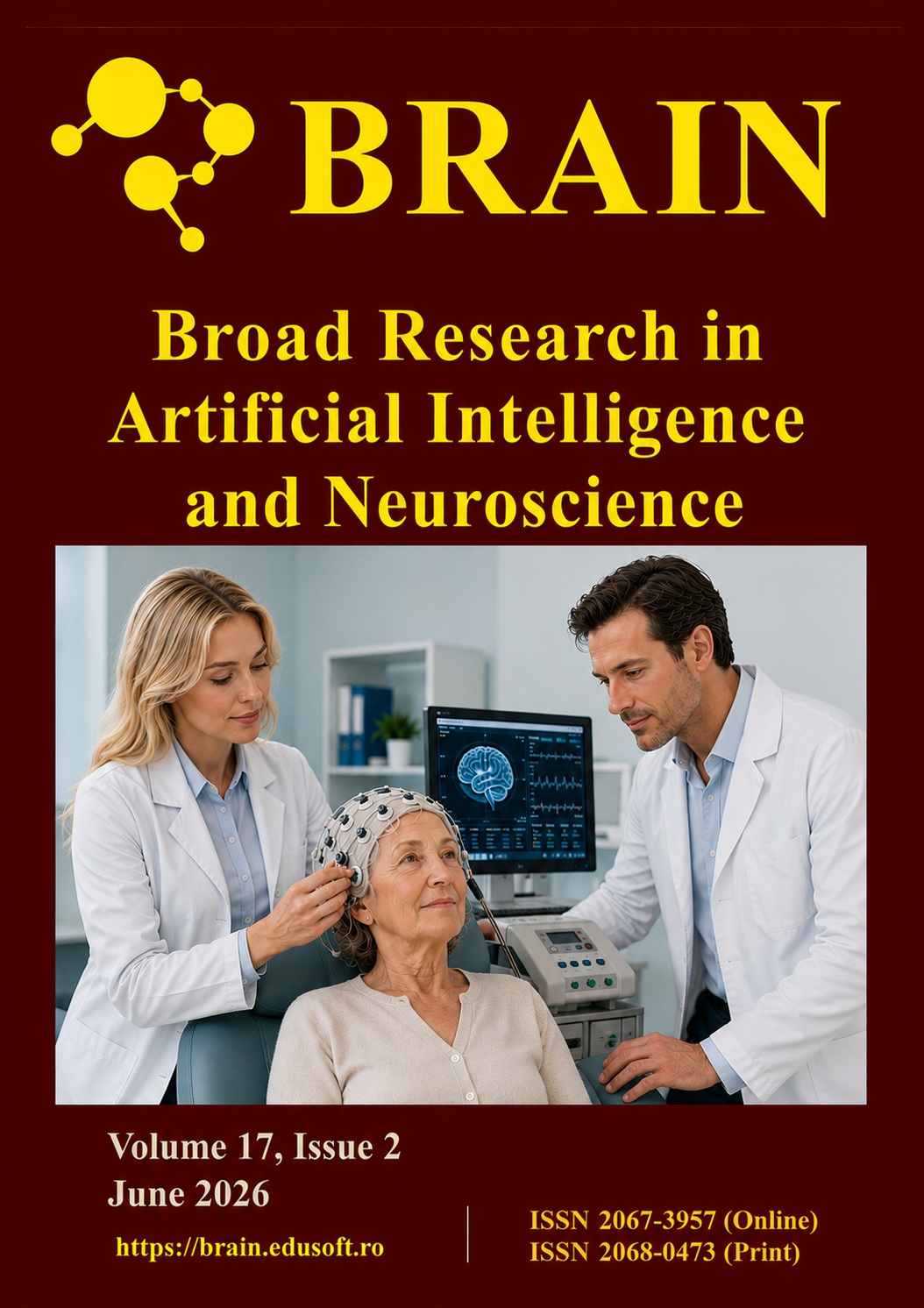


BRAIN. Broad Research in Artificial Intelligence and Neuroscience
Volume: 17 | Issue: 2 |
Integration of Resilience, Self-change and Meaning of Life in Neuropsychological and Neuro-pedagogical Care Programmes
Published June 3, 2026
❝
Cite

Abstract
The article provides a theoretical analysis and substantiates the potential for integrating the concepts of resilience, self-transformation, and the meaning in life into modern neuropsychological and neuro-pedagogical programmes.The article is presented as a conceptual review with the inclusion of pilot study results. It has been determined that, under conditions of global instability, traditional methods of cognitive function correction require supplementation with tools for developing personal resilience and individual agency. The neurophysiological impact of chronic stress on brain structures (particularly the hippocampus and prefrontal cortex) has been examined, and the effectiveness of neurofeedback, mindfulness, and cognitive training practices in restoring neuroplasticity has been demonstrated.The author proposes the protocol of the integrated “Neuro-Sense” programme, identifies its neurobiological efficacy markers (HRV, cortisol), and outlines the ethical framework for working with vulnerable groups. The author proposes an interdisciplinary approach in which resilience serves as the fundamental mechanism of adaptation, self-transformation as the volitional tool for neural network remodelling, and the meaning in life as the cognitive vector that activates prefrontal control and the individual’s motivational resources.Particular attention is paid to the methodology for implementing resilience programmes across different population segments (school, business, inclusion) and their connection to fundamental psychological concepts. The work systematises the factors contributing to the development of resilience (social support, sociability, optimism) and proposes practical models for their integration into educational and therapeutic settings. Methods for evaluating the effectiveness of such programmes are highlighted, and the challenges of implementing integrated approaches are analysed, including the need to reform educational standards and provide specialised training for professionals.
Academic discipline and sub-disciplines:
Neuroscience; Psychology; Pedagogy
Keywords
DOI: http://dx.doi.org/10.70594/brain/17.2/35