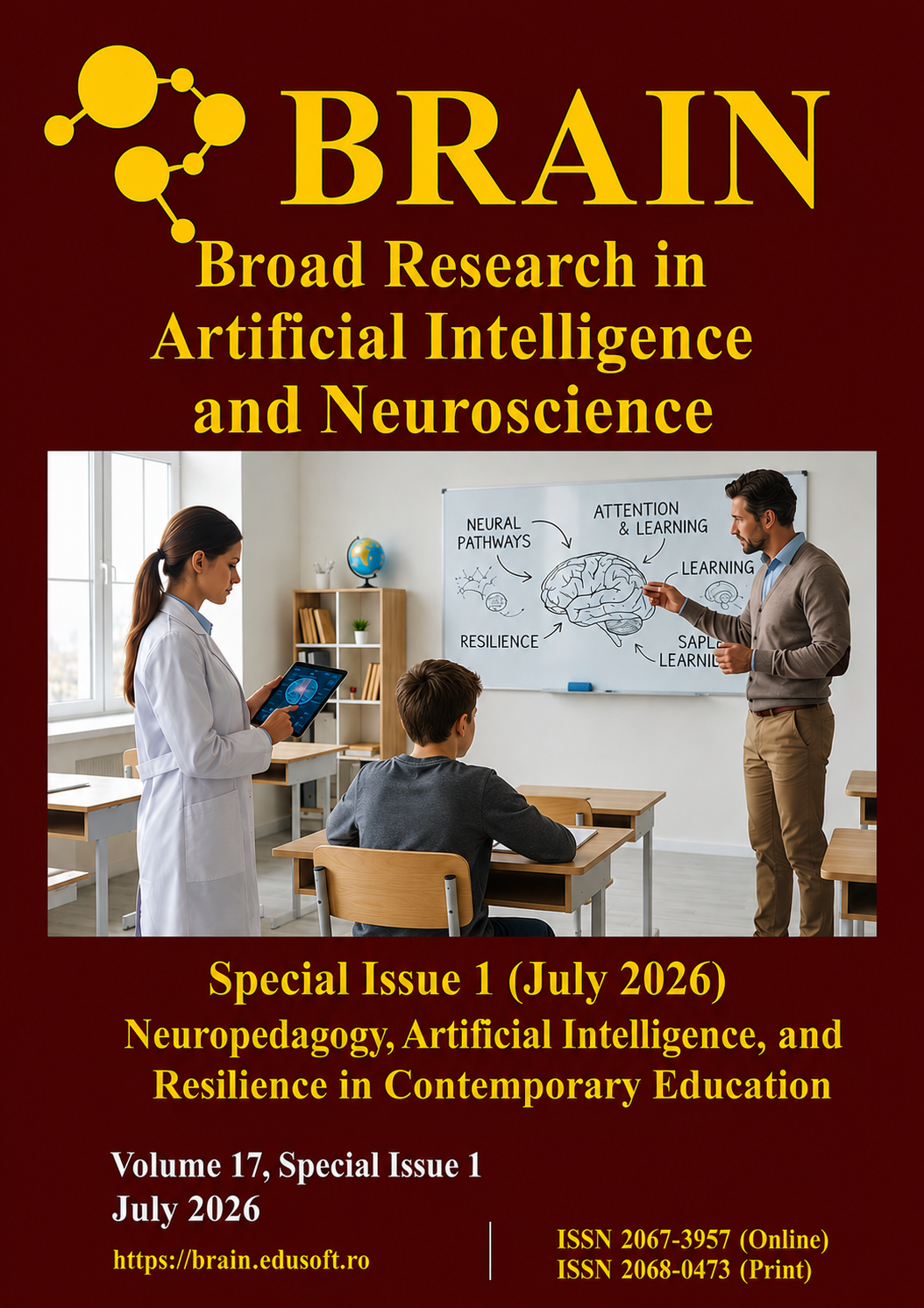
Volume 17, Special Issue 1 (July 2026) - Neuropedagogy, Artificial Intelligence, and Resilience in Contemporary Education
Disclaimer: These images were generated using artificial intelligence and may contain inaccuracies or inconsistencies.
They are provided solely as a visual aid to facilitate the rapid understanding of the key ideas presented
in these article. Our editorial team conducts ongoing reviews of AI-generated images and will correct
or replace them whenever an error or discrepancy is identified or reported.
Authors:
Roberta-Luiza
Antuca
Abstract:
Section 1. Artificial Intelligence, Digital Technologies and Innovation in Education
Section 2. Neuropedagogy, Cognitive Development and Educational Psychology
Section 3. Artificial Intelligence, Society, Culture and Human Cognition
Section 4. Emerging Interdisciplinary Perspectives in Artificial Intelligence, Neuroscience and Society
Section 1. Artificial Intelligence, Digital Technologies and Innovation in Education
Disclaimer: This image was generated using artificial intelligence and may contain inaccuracies or inconsistencies.
It is provided solely as a visual aid to facilitate the rapid understanding of the key ideas presented
in this article. Our editorial team conducts ongoing reviews of AI-generated images and will correct
or replace them whenever an error or discrepancy is identified or reported.
Authors:
Roksolana
Povoroznyuk
, Lesia
Shahala
, Yuliia
Loboda
, Olena
Kopylna
, Anastasiia
Romanchuk
, Nataliia
Tsolyk
Abstract:
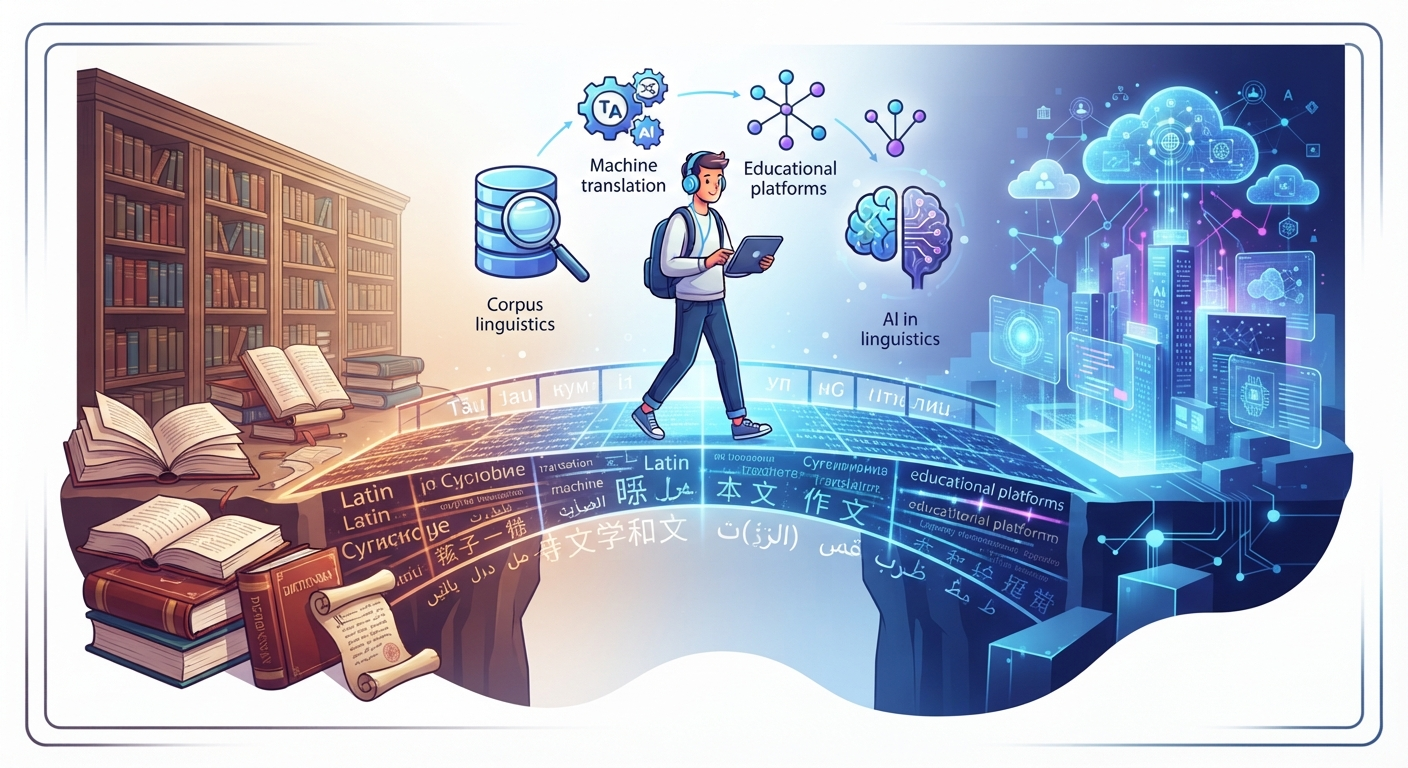
Over the past decade, the importance of information and communication technologies (ICT) in education has grown dramatically. Many experimental and theoretical studies are aimed at determining the effectiveness of using ICT as a means of forming competencies. The article reveals modern opportunities for training philologists-translators using information and communication technologies. The aim of the study is to consider the role of modern technologies in the formation of information and technological competence of future translators, their advantages, as well as the problems that both students and teachers face when teaching translation using ICT. The effectiveness of ICT depends on the methods and forms of application of these technologies and on how competent the teacher is in working with the electronic resources they use. The particular importance of the formation of information and technological competence in the professional education of a translator is noted. This article examines the integration of modern information and communication technologies (ICT) into the training of translators within the framework of modern higher education. The emphasis is on digital tools, interactive platforms and corpus resources that enhance linguistic competence, translation accuracy and student autonomy. A mixed-method empirical study was conducted among students of translation faculties in Ukraine, and revealed increased cognitive engagement, motivation and skill development through the integration of ICT.
Disclaimer: This image was generated using artificial intelligence and may contain inaccuracies or inconsistencies.
It is provided solely as a visual aid to facilitate the rapid understanding of the key ideas presented
in this article. Our editorial team conducts ongoing reviews of AI-generated images and will correct
or replace them whenever an error or discrepancy is identified or reported.
Authors:
Olena
Varetska
, Ihor
Hrynyk
, Andrii
Tanko
, Olena
Popadych
, Oleksandr
Oliinyk
, Oleg
Kekosh
Abstract:
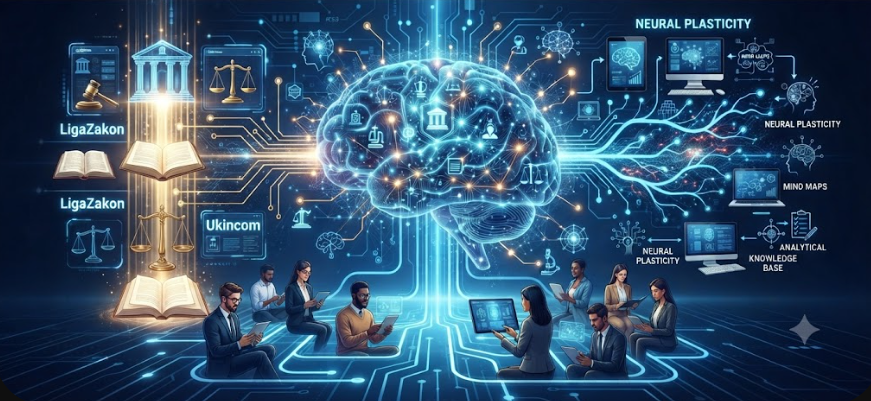
The article examines the use of information technologies in teaching legal disciplines from a neuropedagogical perspective. It analyses how the digital learning environment affects the way students learn complex legal norms. The role of IT tools in economic, tax and legal practice is also considered, with particular attention to the stimulation of sensory systems and the activation of long-term memory. Working with legal reference systems (LigaZakon, Ukincom systems) is viewed as a factor that promotes neuroplasticity. It also supports the formation of stable neural connections during professional training. The article further presents the results of experimental work conducted among students enrolled in a Law degree programme. The test results show that the methodology takes into account individual neurophysiological differences in the way information is perceived. Its implementation has improved the quality of knowledge, enhanced legal culture, and strengthened the analytical skills of future specialists.
Disclaimer: This image was generated using artificial intelligence and may contain inaccuracies or inconsistencies.
It is provided solely as a visual aid to facilitate the rapid understanding of the key ideas presented
in this article. Our editorial team conducts ongoing reviews of AI-generated images and will correct
or replace them whenever an error or discrepancy is identified or reported.
Authors:
Olena
Rebrova
, Nataliia
Ashykhmina
, Iryna
Filatenko
, Svitlana
Kyshakevych
, Halyna
Stets
, Olena
Liesnik
Abstract:
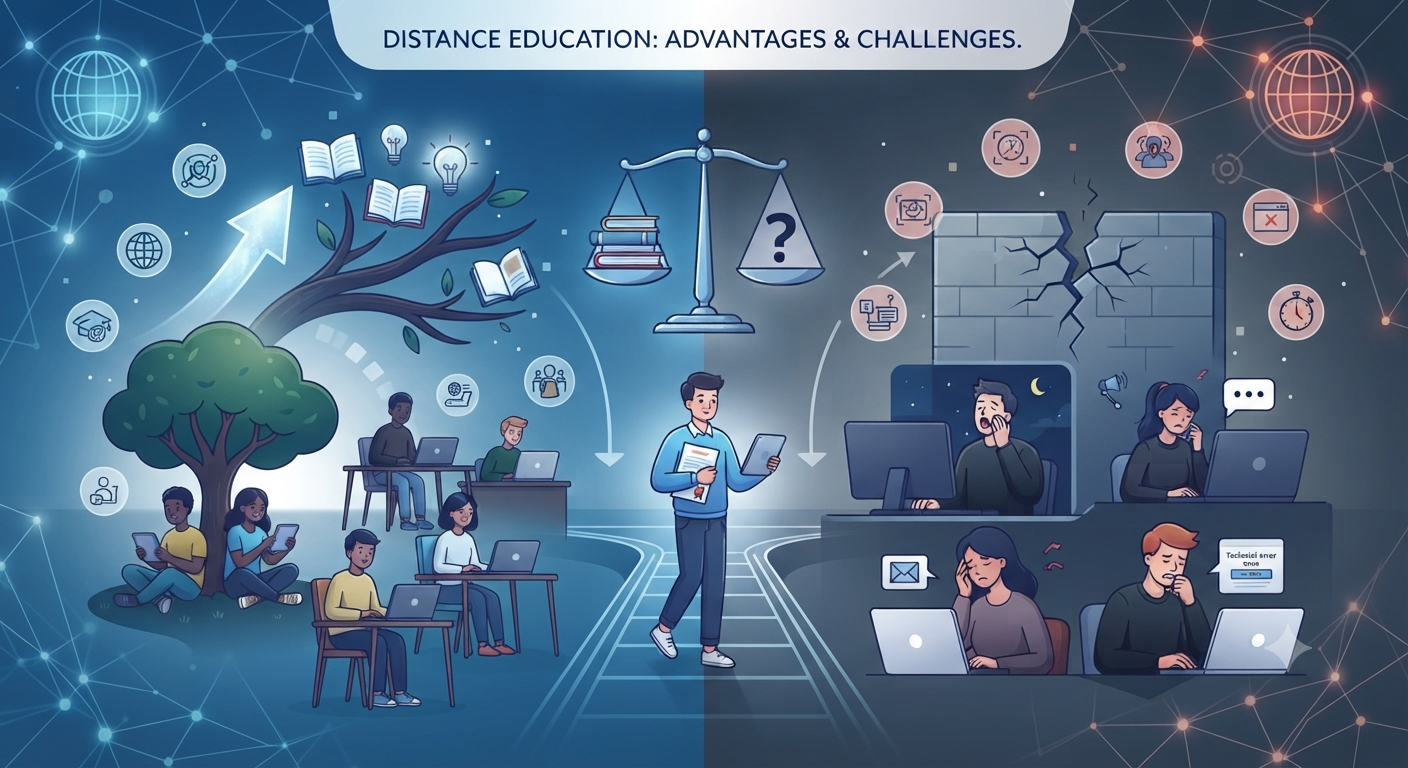
The relevance of this article stems from the fact that the use of effective digital technologies in higher education requires both theoretical analysis and empirical research. These technologies are evolving rapidly, offering access to an almost unlimited range of educational resources. The article aims to present the results of theoretical and empirical studies on the role of digital technologies in distance education. The research focuses on how students assess both the strengths and opportunities, as well as the weaknesses and threats, of using digital technologies in learning within higher education institutions. The findings are discussed, followed by key conclusions. The use of digital technologies in students’ educational and cognitive activities is closely linked to e-learning and distance learning technologies.
Disclaimer: This image was generated using artificial intelligence and may contain inaccuracies or inconsistencies.
It is provided solely as a visual aid to facilitate the rapid understanding of the key ideas presented
in this article. Our editorial team conducts ongoing reviews of AI-generated images and will correct
or replace them whenever an error or discrepancy is identified or reported.
Authors:
Myroslava
Hnatyuk
, Olena
Slobodzyanyk
, Zoryana
Vasylko
, Volodymyr
Diakiv
, Olha
Sopina
, Kateryna
Rybakova
Abstract:
The article examines the problem of improving the teaching of phraseology through the introduction of interactive learning methods. The central object of the study is the concept and architecture of the “Intelligent Electronic Learning Environment” (IELE), developed based on the synergy of LLM models (ChatGPT-4o, Claude 3.5) and graphical neural networks. It is shown that traditional forms of working with phraseological units, based on reproductive techniques, do not ensure the formation of stable skills in their use and do not contribute to the development of students’ linguistic creativity. The structure and functional modules of the IELE are described, along with the results of its implementation in the educational process of lyceums. Based on the analysis of relevant domestic and foreign studies, as well as existing methodologies, the concept of an interactive approach to teaching phraseology is proposed, which includes game-based, project-based, context-oriented, and digital learning technologies. Particular attention is paid to the modular structure of the lesson, the combination of face-to-face and online forms of interaction, reflective practices, and the use of digital platforms to enhance students’ cognitive activity. The potential of artificial intelligence (AI) tools in the process of semantization of phraseological units is revealed, in particular through the generation of visual images to disclose the internal form of idioms and the creation of adaptive language trainers. The expediency of using AI-based chatbots to model authentic dialogic situations is substantiated, which contributes to a deeper acquisition of the connotative meanings of stable expressions. Examples of effective tasks are provided that combine traditional interactive methods with the capabilities of artificial intelligence to ensure understanding of the figurative nature of phraseological units and the development of communicative competence. The results of the analysis confirm that the use of interactive methods contributes to increased motivation, improved quality of phraseological acquisition, and the formation of a holistic understanding of the cultural and linguistic potential of phraseology.
Disclaimer: This image was generated using artificial intelligence and may contain inaccuracies or inconsistencies.
It is provided solely as a visual aid to facilitate the rapid understanding of the key ideas presented
in this article. Our editorial team conducts ongoing reviews of AI-generated images and will correct
or replace them whenever an error or discrepancy is identified or reported.
Authors:
Iryna
Androshchuk
, Olena
Murzina
, Viktor
Shakotko
, Vasyl
Shunkov
, Liudmyla
Shanaieva-Tsymbal
, Svitlana
Yatsiv
, Borys
Maksymchuk
Abstract:
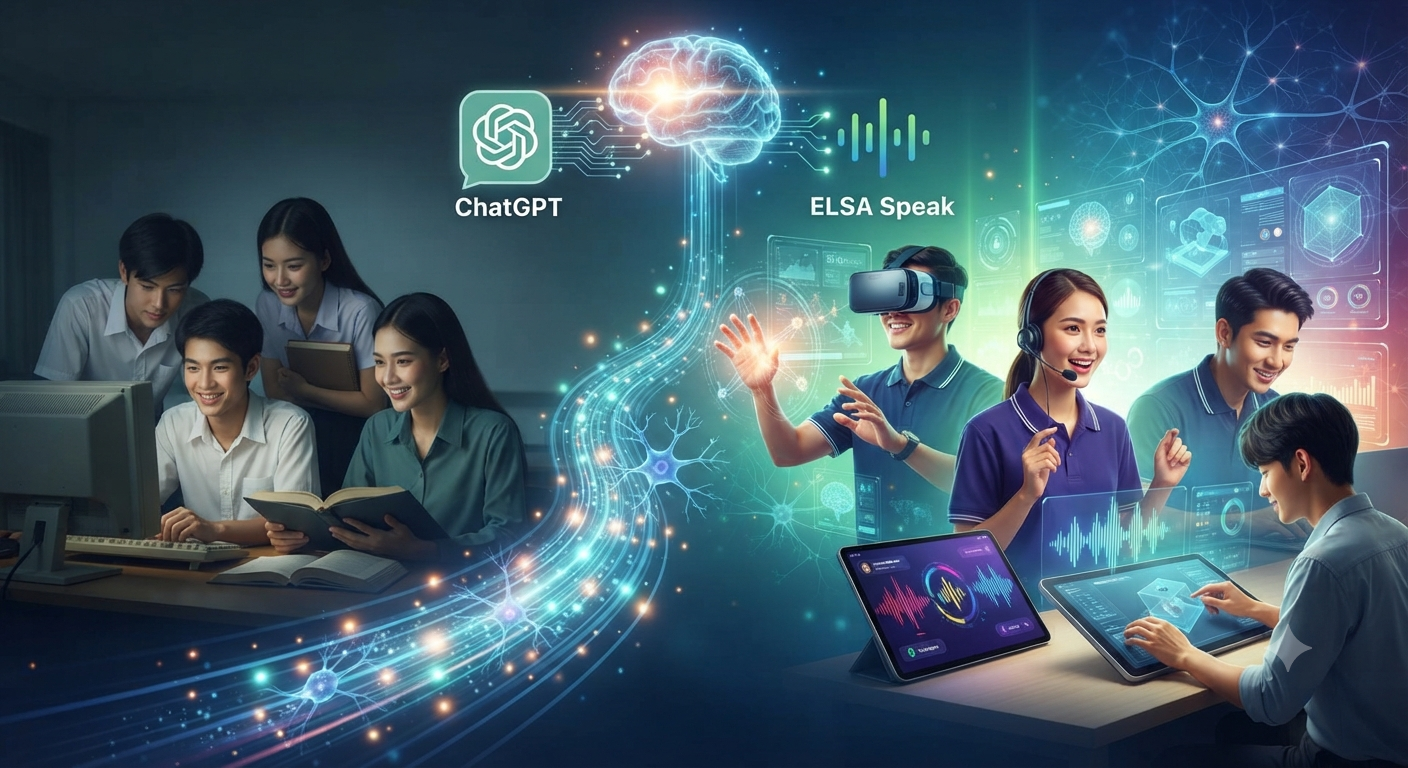
This article explores the use of multimedia technologies in vocational education. These technologies support the effective design and implementation of pedagogical content and methods aimed at achieving educational objectives through multimedia hardware, software, and interactive applications. An empirical four-week study involving 60 first-year undergraduate students evaluated an AI-supported multimedia approach using ChatGPT and ELSA Speak within a multisensory learning framework. Compared with conventional multimedia instruction, the AI-supported approach resulted in greater improvements in vocabulary acquisition (28.5% vs. 11.2%), speaking performance (32.2%), student engagement, and emotional intelligence, particularly emotion management. The findings suggest that integrating AI-supported multimedia technologies may enhance learning outcomes, cognitive engagement, and student motivation in vocational education.
Disclaimer: This image was generated using artificial intelligence and may contain inaccuracies or inconsistencies.
It is provided solely as a visual aid to facilitate the rapid understanding of the key ideas presented
in this article. Our editorial team conducts ongoing reviews of AI-generated images and will correct
or replace them whenever an error or discrepancy is identified or reported.
Authors:
Emilia-Felicia
Coșniță
, Păun
Antonescu
, Simona-Elena
Vârlan
Abstract:
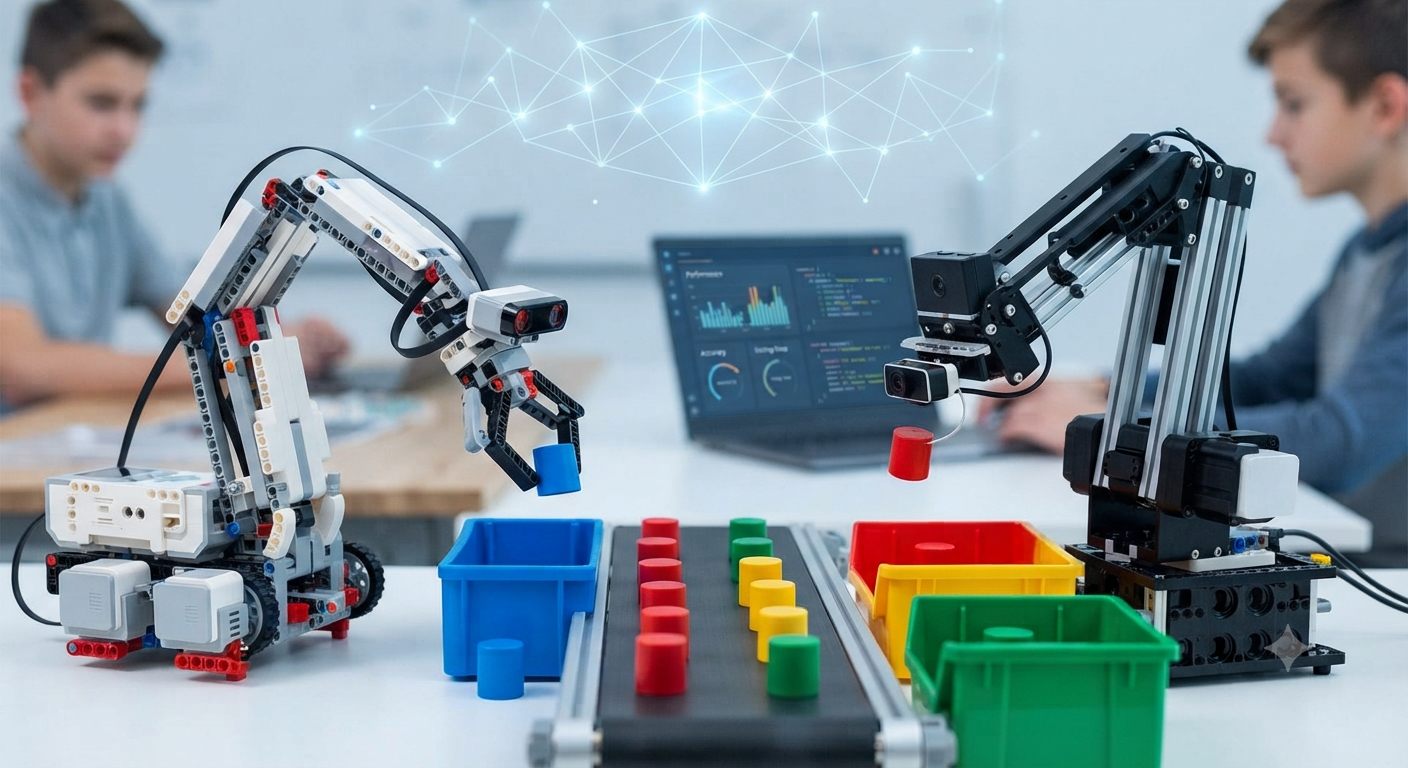
The integration of educational robots in pre-university education provides valuable opportunities for developing technical and computational thinking skills. This study analyses the use of LEGO Mindstorms robots and artificial intelligence robots from the NextLab.tech platform for recognising and manipulating objects of different colours, aiming to simulate an automated sorting system for waste with identical shapes. The research focuses on the design and validation of a robotic system capable of object classification using rule-based deterministic methods and Machine Learning algorithms, integrated into a pick-and-place mechanism. System performance is evaluated using indicators such as classification accuracy, error rate, sorting time, productivity, and efficiency. The results enable a comparison between the two approaches and highlight the advantages of integrating computer vision into robotic control. The study also emphasises the role of these technologies in transitioning towards the active use of robots in applied educational processes.
Disclaimer: This image was generated using artificial intelligence and may contain inaccuracies or inconsistencies.
It is provided solely as a visual aid to facilitate the rapid understanding of the key ideas presented
in this article. Our editorial team conducts ongoing reviews of AI-generated images and will correct
or replace them whenever an error or discrepancy is identified or reported.
Authors:
Gökmen
Dagli
, Ogunturk
Yilmaz
, Fahriye
Altinay
, Zehra
Altinay
Abstract:
This study examines information security and privacy awareness from the perspectives of university administrators and faculty members in the age of artificial intelligence, where the rapid adoption of AI-supported digital technologies has introduced new cybersecurity and privacy challenges for higher education institutions. The qualitative study group consisted of 15 university administrators and faculty members. Qualitative data were collected using a semi-structured interview protocol. With the widespread use of digital data systems, universities process and store personal data and research findings belonging to students, academic staff, and administrative staff over large networks. This has led to an increase in cyber threats and data breaches that have serious consequences for the reputation and legal responsibilities of institutions. The research results show that students generally have a high level of information security and privacy awareness, but they are unable to reflect this awareness in their daily digital behaviour. These findings are particularly important in the age of artificial intelligence, where the increasing use of AI-supported educational technologies requires stronger information security awareness and data protection practices in higher education institutions. Furthermore, it was determined that students lack sufficient knowledge about the institutional support structure they can turn to when facing cyber threats. In conclusion, it has been determined that regular training, seminars, the establishment of reporting mechanisms, and sustainable practices are necessary to improve information security and privacy awareness.
Disclaimer: This image was generated using artificial intelligence and may contain inaccuracies or inconsistencies.
It is provided solely as a visual aid to facilitate the rapid understanding of the key ideas presented
in this article. Our editorial team conducts ongoing reviews of AI-generated images and will correct
or replace them whenever an error or discrepancy is identified or reported.
Authors:
Ioana Eva
Cădariu
, Loredana
Vîșcu
, Cristian
Delcea
, Dana
Rad
, Ionut Virgil
Serban
, Lidia
Ricci
, Iacobina Carmen
Zau
Abstract:
The growing integration of generative artificial intelligence (AI) in education requires educators to develop not only operational competencies but also confidence in using AI tools effectively. The present study examined the predictive relationship between the multidimensional construct of ChatGPT literacy and AI self-efficacy among educators working in Romanian educational settings. A sample of 393 educators from Western Romania completed the ChatGPT Literacy Scale (and the AI Self-Efficacy subscale of the Meta AI Literacy Scale. Reliability analyses indicated good to excellent internal consistency across all literacy dimensions (α = .80–.95) and AI self-efficacy (α = .89). To model nonlinear and hierarchical relationships among predictors, a Decision Tree Regression approach was implemented in JASP. The five ChatGPT literacy dimensions, technical proficiency, critical evaluation, communication proficiency, ethical competence, and creative application, were entered as predictors of AI self-efficacy. The model explained 53.2% of the variance in AI self-efficacy (R² = .532), demonstrating moderate predictive performance (MSE = 0.517; RMSE = 0.719). Feature importance analysis revealed that technical proficiency was the strongest predictor (40.07%), followed by ethical competence (18.12%), critical evaluation (14.99%), communication proficiency (14.01%), and creative application (12.80%). The first and most informative split occurred on technical proficiency, highlighting its importance in shaping educators’ perceived AI capability. These findings indicate that technical proficiency emerged as the strongest predictor of AI self-efficacy among educators. The results have implications for AI-focused professional development programmes, emphasising the importance of structured technical training alongside ethical and critical competencies.
Disclaimer: This image was generated using artificial intelligence and may contain inaccuracies or inconsistencies.
It is provided solely as a visual aid to facilitate the rapid understanding of the key ideas presented
in this article. Our editorial team conducts ongoing reviews of AI-generated images and will correct
or replace them whenever an error or discrepancy is identified or reported.
Authors:
Tham Jia
Hao
, Chong Wei
Ying
, Valerie Bukas
Marcus
, Fariha Diyana
Awang Ali
, Nuraini
Jafri
Abstract:
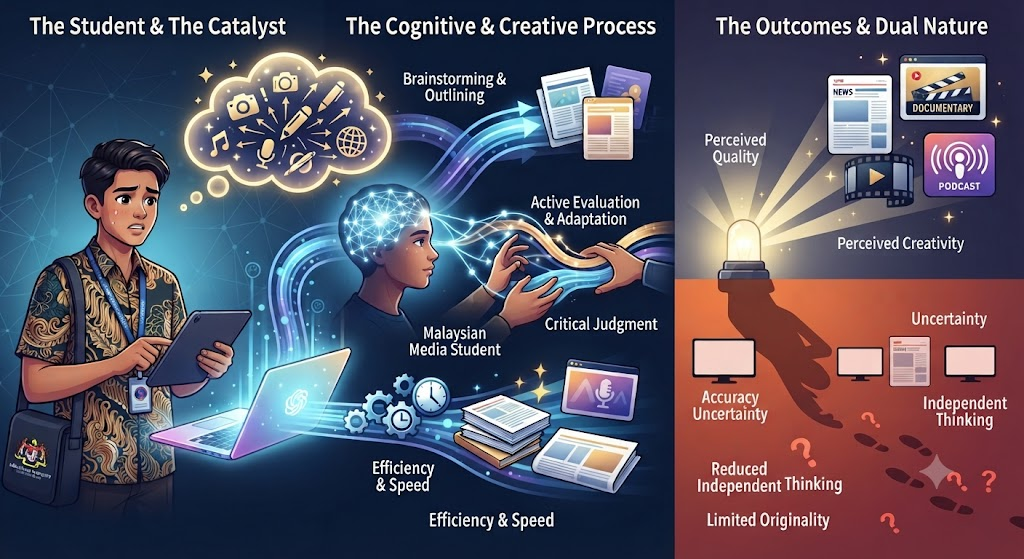
Generative artificial intelligence (GenAI) is increasingly integrated into the content-development practices of media students. Although GenAI tools can assist with brainstorming, research, drafting, and content refinement, their growing use raises concerns about over-reliance, originality, accuracy, authorship, and students’ continued involvement in the creative process. This study examines Malaysian media students’ perceptions of GenAI-assisted content development and its associations with cognitive engagement and creative performance. ChatGPT was treated as a representative GenAI tool because it was the platform examined in the original dataset. A quantitative cross-sectional design was employed using an online questionnaire completed by 200 media students aged 18 to 26 who had experience using ChatGPT for content development. The data were analysed using descriptive statistics, Spearman’s rank-order correlations, and Chi-square tests of independence. The findings show that students commonly used ChatGPT when they lacked ideas (91%), were rushing for time (67%), or faced research constraints (43%). Its most frequent applications were brainstorming ideas (74%), generating outlines (62%), and assisting with research (55%). Most respondents perceived ChatGPT as improving efficiency and shortening task-completion time. In addition, 66% reported that the quality of their content had somewhat improved, while 56% perceived a moderate influence on their creativity. Nevertheless, students expressed uncertainty about the accuracy and reliability of AI-generated content and identified overreliance, reduced independent thinking, and limited originality as significant risks. More frequent reliance on ChatGPT was positively associated with more favourable perceptions of content development, content quality, creativity, and AI accuracy. These results should be interpreted as self-reported perceptions and associations rather than evidence of causal effects or objective performance gains. The findings suggest that students perceive GenAI as most educationally valuable when they actively evaluate, adapt, and refine its outputs while retaining critical judgment, creative agency, and responsibility throughout content development.
Disclaimer: This image was generated using artificial intelligence and may contain inaccuracies or inconsistencies.
It is provided solely as a visual aid to facilitate the rapid understanding of the key ideas presented
in this article. Our editorial team conducts ongoing reviews of AI-generated images and will correct
or replace them whenever an error or discrepancy is identified or reported.
Authors:
Andra-Diana
Stupu
, Evelina
Pantel
, Brîndușa
Enachi
, Alexandru
Matei
, Bogdan
Pătruț
Abstract:
The growing complexity of contemporary healthcare has increased the importance of educational tools that facilitate the development of evidence-based clinical reasoning and quantitative decision-making skills. Medical calculators, which incorporate validated clinical formulae, risk scores, prognostic models, and classification systems, are widely used in clinical practice and offer significant educational value. This article examines the role of medical calculators as learning resources for undergraduate medical students and resident physicians, emphasising their capacity to bridge theoretical knowledge and clinical application. Through interactive use, these tools help learners understand the relationships between clinical variables, disease severity, prognosis, and guideline-based assessment frameworks. The paper reviews the educational value of calculators across multiple medical specialties, including cardiology, endocrinology, nephrology, gastroenterology, neurology, and psychiatry. Particular attention is given to MedicalC.ro, a web-based platform developed by the EduSoft Association that provides specialty-organised medical calculators for educational and informational purposes. The platform's structure, educational workflow, privacy-oriented design, and transparent legal framework are presented as a case study of responsible implementation of digital educational tools in medicine. Using the ABG Interpretation Tool and RECIST 1.1 Response Assessment Calculator as illustrative examples, the article demonstrates how interactive calculators can support self-directed learning, reinforce quantitative clinical reasoning, and enhance understanding of evidence-based medicine. The paper also discusses limitations associated with calculator use, including the risk of overreliance on automated tools, and outlines future research directions involving learning analytics, simulation-based education, and artificial intelligence-assisted learning environments. Medical calculators represent not only computational instruments but also educational resources that contribute to the development of analytical competencies essential for modern medical practice.
Section 2. Neuropedagogy, Cognitive Development and Educational Psychology
Disclaimer: This image was generated using artificial intelligence and may contain inaccuracies or inconsistencies.
It is provided solely as a visual aid to facilitate the rapid understanding of the key ideas presented
in this article. Our editorial team conducts ongoing reviews of AI-generated images and will correct
or replace them whenever an error or discrepancy is identified or reported.
Authors:
Oksana
Shelever
, Liudmyla
Peretyaha
, Alla
Omelianenko
, Hanna
Syzko
, Natalya
Anastasova
, Nataliia
Serdiuk
Abstract:
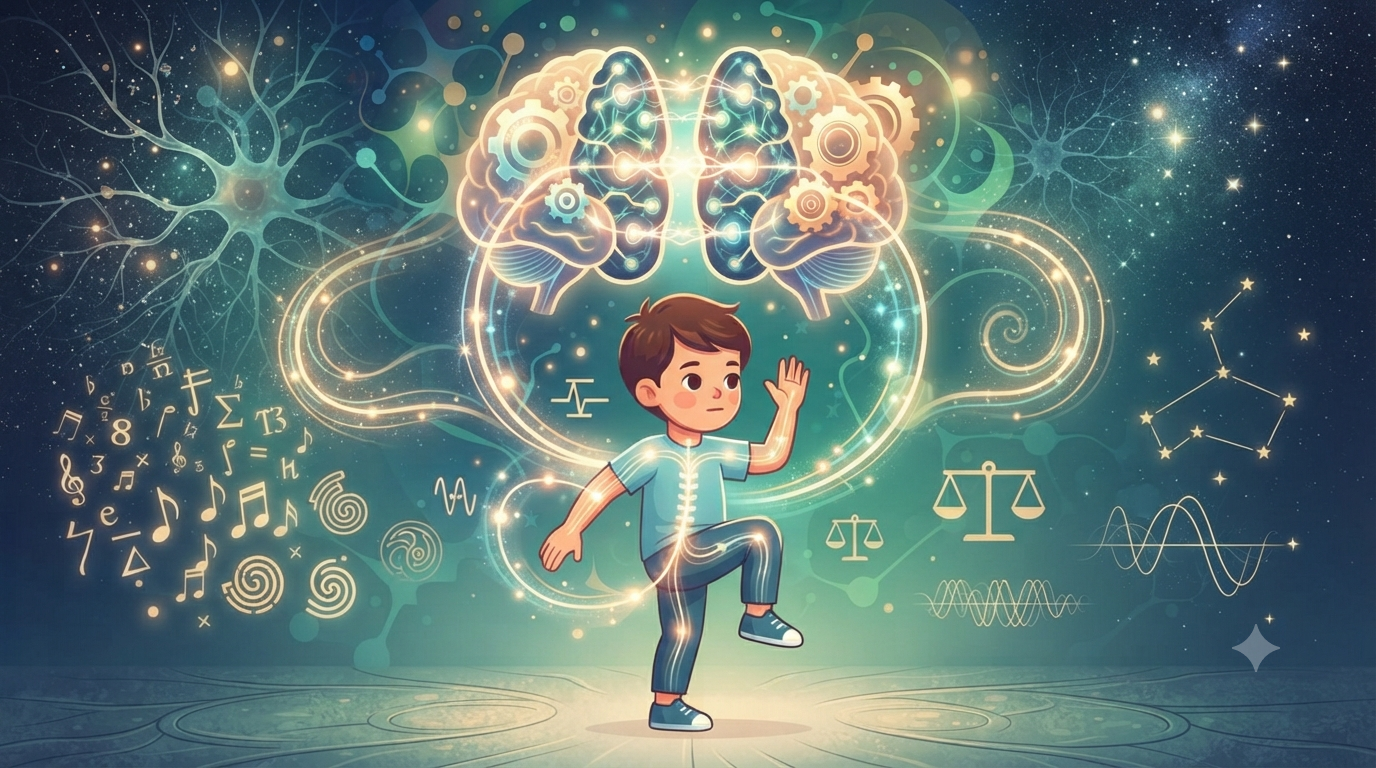
This narrative review examines the role of kinesiological exercises in neuropsychological classes for preschool children. Its relevance arises from the growing number of preschoolers who experience difficulties in intellectual, emotional, and motor development. The review aims to: (1) clarify the concepts of sensory integration and kinesiology, (2) examine neuropsychological mechanisms underlying motor skill and spatial thinking development, and (3) evaluate the potential benefits of kinesiological exercises in preschool settings. A narrative review of peer-reviewed literature and methodological sources was conducted across Google Scholar, Web of Science, and PubMed. The reviewed evidence suggests that experiencing learning difficulties, such as problems perceiving information, inattentiveness, problems related to memory or logical thinking may reflect insufficient neurological readiness for cognitive demands. This highlights the critical role of the brain in coordinating and regulating vital bodily functions. When its functioning is less effective, both children and adults may struggle to respond appropriately to external stimuli, underscoring the importance of targeted interventions. Kinesiological exercises appear to be a promising approach for supporting neuropsychological development in preschool children by promoting interhemispheric synchronisation. Physical activity contributes not only to motor development but also to the cultivation of cognitive processes. The article also presents a set of kinesiological exercises suitable for use in preschool neuropsychological classes. However, the evidence base consists primarily of small-sample studies, and further controlled research is needed to establish effectiveness.
Disclaimer: This image was generated using artificial intelligence and may contain inaccuracies or inconsistencies.
It is provided solely as a visual aid to facilitate the rapid understanding of the key ideas presented
in this article. Our editorial team conducts ongoing reviews of AI-generated images and will correct
or replace them whenever an error or discrepancy is identified or reported.
Authors:
Larysa
Duz
, Olha
Vasylenko
, Halyna
Prystai
, Hanna
Shayner
, Iryna
Miroshnychenko
, Oksana
Pryshliak
Abstract:
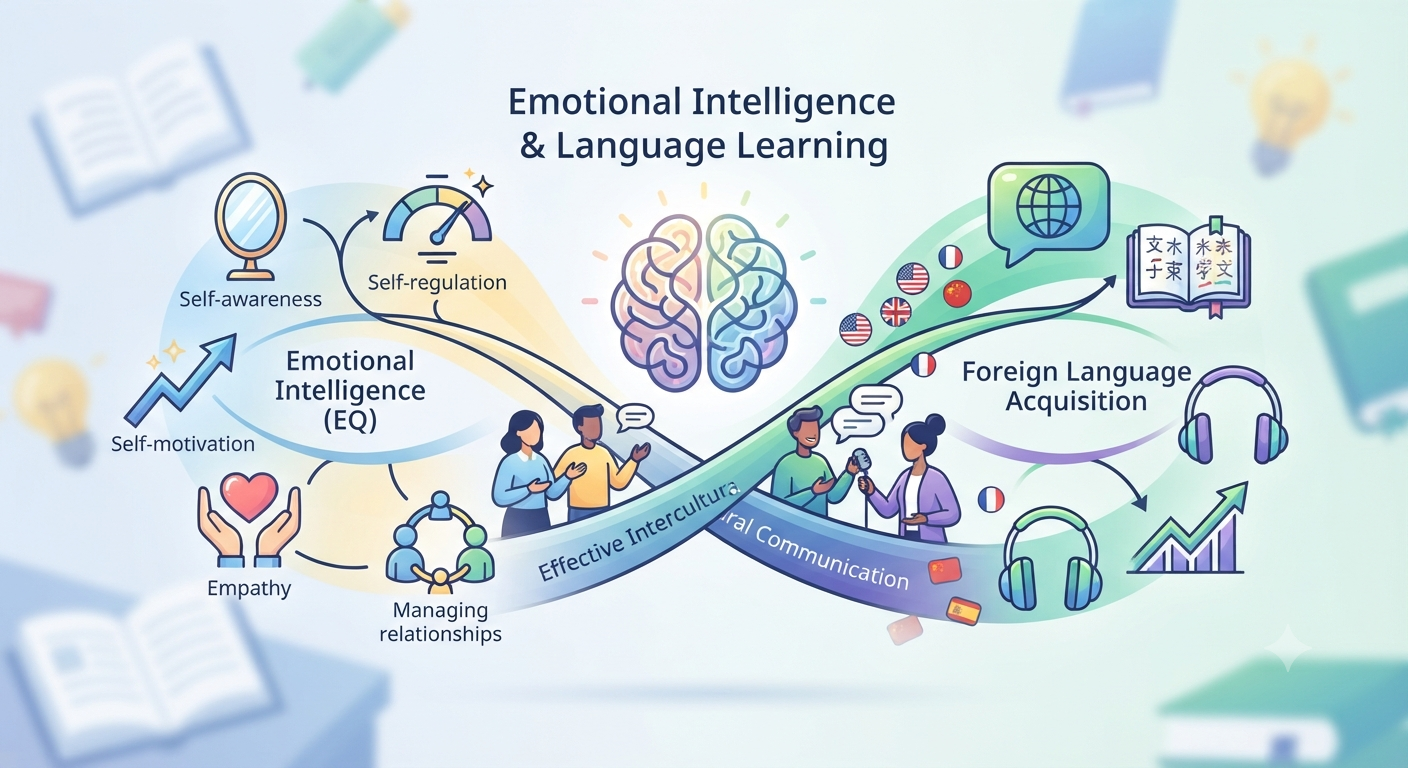
The article examines the development of emotional intelligence and its influence on foreign language learning among secondary school students. This issue is particularly important given the limited amount of research on the role of emotional intelligence in educational settings. At the same time, emotional intelligence is increasingly important in a globalised world and for meeting the growing demands of intercultural communication. The article aims to identify the characteristics of students’ emotional intelligence and to demonstrate its significance as a factor in effective foreign language acquisition. The objectives are twofold: first, to define and characterise the concept of “emotional intelligence”; and second, to explore the relationship between students’ emotional intelligence and their foreign language learning outcomes. The research relies on a comprehensive analysis of scholarly sources and semi-structured interviews. The interviews were designed to identify students’ levels of emotional intelligence and their manifestations during foreign language learning.
Disclaimer: This image was generated using artificial intelligence and may contain inaccuracies or inconsistencies.
It is provided solely as a visual aid to facilitate the rapid understanding of the key ideas presented
in this article. Our editorial team conducts ongoing reviews of AI-generated images and will correct
or replace them whenever an error or discrepancy is identified or reported.
Authors:
Marijana
Prodanovic
, Begoña
Crespo
Abstract:
In the realm of English-Medium Instruction (EMI) education, diversity comes to the forefront as numerous cultures, identities, habits, customs, and languages converge. This paper aims to shed light on the relevance of linguistic alignment between students and teachers in a higher education setting where English is used as the medium of instruction. The study explores the perspectives of international students majoring in different academic disciplines at a university located in Belgrade, at the heart of the Balkans. The fact that neither these students nor their instructors are native speakers of English makes the setting in which they operate even more fragile. A quantitative research instrument was used to gain insight into students’ views regarding several dimensions, namely perceived in-class language comprehension, language proficiency, linguistic interference, and harmonisation between students and their instructors. In interpreting the results, these dimensions are also examined through a cognitive–psychological lens, considering the role of processing demands, cognitive load, and learner perceptions in shaping comprehension within the observed environment. The results indicate strong correlations among all the dimensions investigated, underscoring the importance of achieving linguistic harmonisation in order to attain the desired educational outcomes.
Disclaimer: This image was generated using artificial intelligence and may contain inaccuracies or inconsistencies.
It is provided solely as a visual aid to facilitate the rapid understanding of the key ideas presented
in this article. Our editorial team conducts ongoing reviews of AI-generated images and will correct
or replace them whenever an error or discrepancy is identified or reported.
Authors:
Tetyana
Ivanova
, Svitlana
Pukhno
, Olena
Medianova
, Valentyna
Stets
, Andrii
Hrynkiv
Abstract:
The question of in which spheres of life neurotechnologies can be used is becoming increasingly relevant. New neurotechnologies are already finding application in medicine, marketing, education and scientific research. At the same time, the potential use of various neurotechnologies in such an important sphere of human life as professional activity remains practically unexplored. The article highlights neurotechnologies that can be used in the process of personality development, identifies problems that arise at different stages of this process and can be addressed with the help of neurotechnologies, investigates their impact on the duration and content of professional development, and identifies ethical and psychological problems that may arise as a result of their use. The article introduces a new concept of neurosocial development and analyses the relationship between neurosocial technologies and artificial intelligence technologies. The findings suggest that trust in new technologies requires the study of such phenomena as the digital ego, group forms of neurosocial behaviour, and neurosocial intelligence.
Disclaimer: This image was generated using artificial intelligence and may contain inaccuracies or inconsistencies.
It is provided solely as a visual aid to facilitate the rapid understanding of the key ideas presented
in this article. Our editorial team conducts ongoing reviews of AI-generated images and will correct
or replace them whenever an error or discrepancy is identified or reported.
Authors:
Marianna
Kompanovych
, Iryna
Zoshii
, Olena
Petrynych
, Kateryna
Khanyak
, Kostiantyn
Trefiak
, Orest
Vachkov
Abstract:
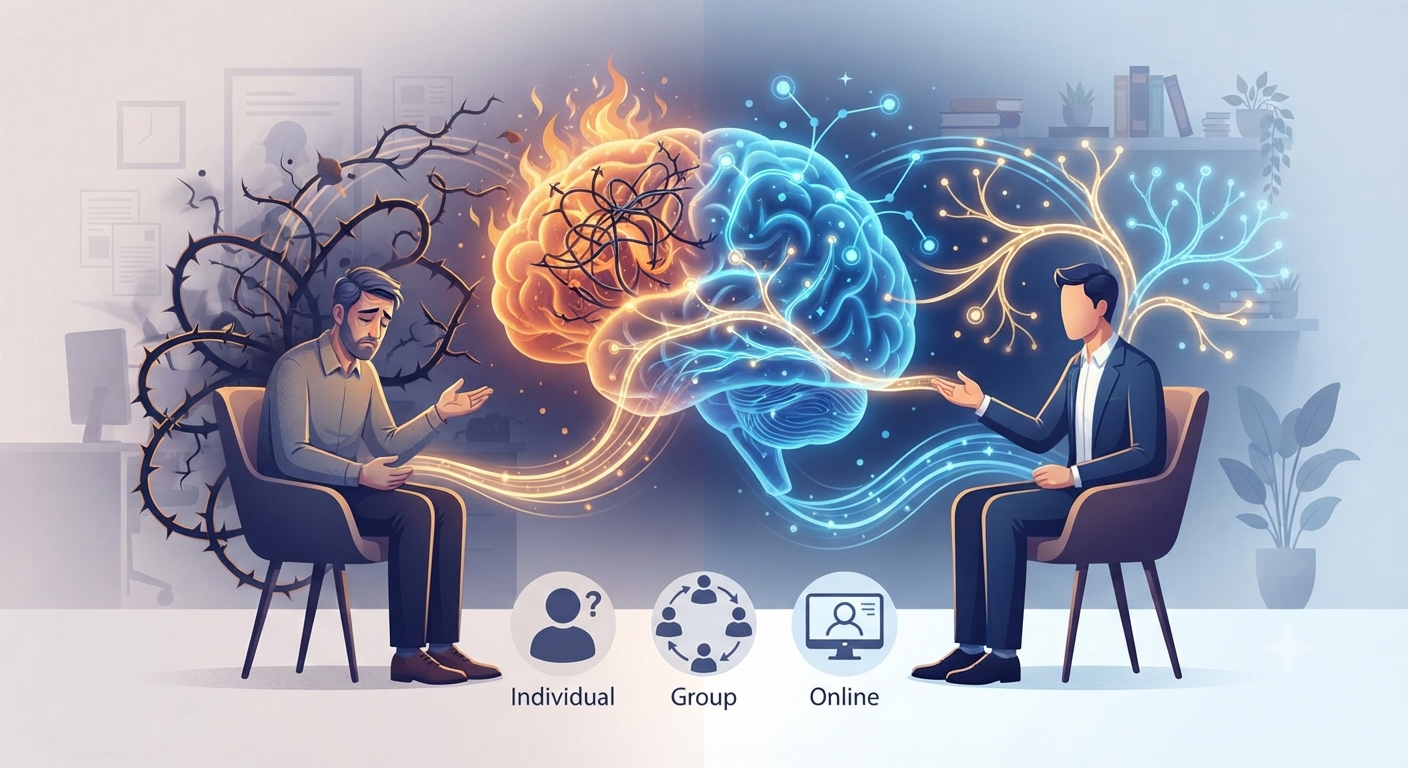
This article explores the neuro-pedagogical aspects of psychologists’ supervision, particularly the impact of stress and emotional burnout on the effectiveness of supervision methods. The importance of supervision as a tool for professional development and the prevention of emotional burnout in psychologists working under stressful conditions is highlighted. The authors examine the neurophysiological processes underlying supervision and analyse how stress affects brain neuroplasticity and adaptation to stressful situations. Special attention is given to various supervision methods - individual, group, and online supervision - that can be adapted to the psychologist’s stress and burnout levels to optimise their effectiveness. The article also discusses strategies that support professional growth and emotional well-being in the supervision process, including mindfulness practices and physical activity. The article presents a theoretical analysis of neuro-pedagogical aspects of psychologists’ supervision in the context of professional stress and emotional burnout. The methodological framework of the study is based on a review of contemporary interdisciplinary scientific sources in psychology, neuroscience, and adult education, which makes it possible to comprehensively examine the impact of stress factors on psychologists’ professional functioning. The practical value of the study lies in substantiating supervision as a tool for enhancing professional resilience, preventing emotional burnout, and preserving the neuropsychological resources of specialists in helping professions.
Disclaimer: This image was generated using artificial intelligence and may contain inaccuracies or inconsistencies.
It is provided solely as a visual aid to facilitate the rapid understanding of the key ideas presented
in this article. Our editorial team conducts ongoing reviews of AI-generated images and will correct
or replace them whenever an error or discrepancy is identified or reported.
Authors:
Oleksandr
Khatsaiuk
, Oleg
Yareschenko
, Ruslan
Liubchych
, Andrii
Drachuk
, Artem
Korolov
, Viktor
Romanenko
, Borys
Maksymchuk
Abstract:
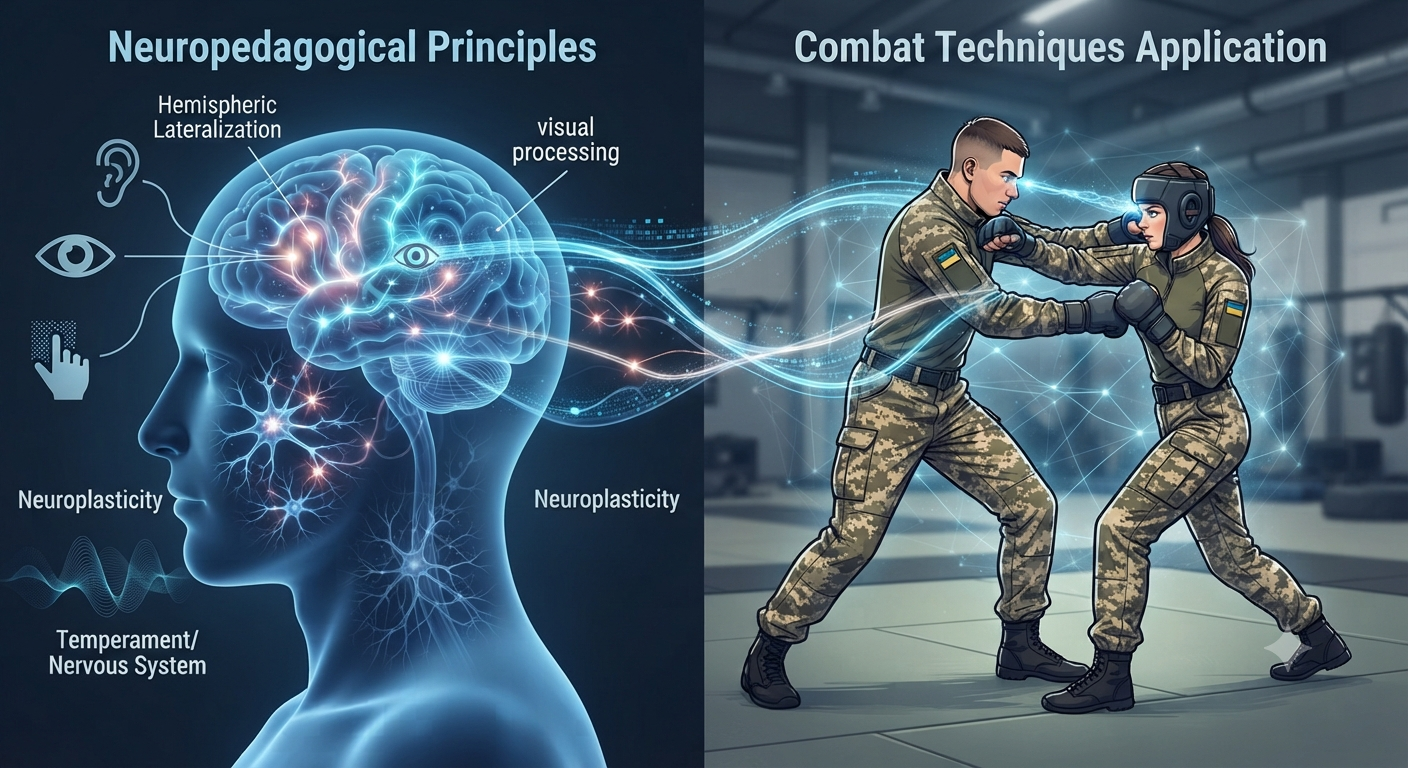
This study examines the application of neuropedagogical principles to the teaching of special combat techniques (service-applied hand-to-hand combat) to cadets of higher military educational institutions of the National Guard of Ukraine. The paper identifies key neuropsychological factors, including hemispheric lateralisation, sensory channel preferences, temperament, and properties of the nervous system, that may influence the acquisition of motor skills in military training contexts. Drawing on a review of scientific and methodological literature, the study proposes a framework for integrating neuropedagogical approaches into the physical training of cadets, with the aim of enhancing tactical readiness for the use of physical force measures in extreme service conditions. The paper argues that neuropedagogically informed instruction, which accounts for individual neuropsychological profiles, adapts teaching methods accordingly, and leverages principles such as neuroplasticity and sensory engagement, may improve the effectiveness of motor skill acquisition and tactical decision-making. Limitations include the absence of empirical data testing these propositions, and future research should employ controlled experimental designs to evaluate the proposed framework.
Disclaimer: This image was generated using artificial intelligence and may contain inaccuracies or inconsistencies.
It is provided solely as a visual aid to facilitate the rapid understanding of the key ideas presented
in this article. Our editorial team conducts ongoing reviews of AI-generated images and will correct
or replace them whenever an error or discrepancy is identified or reported.
Authors:
Yevheniia
Kocherha
, Iryna
Maidaniuk
, Natalya
Koehn
, Iryna
Malashevska
, Hanna
Syzko
, Oleksandr
Klochok
Abstract:
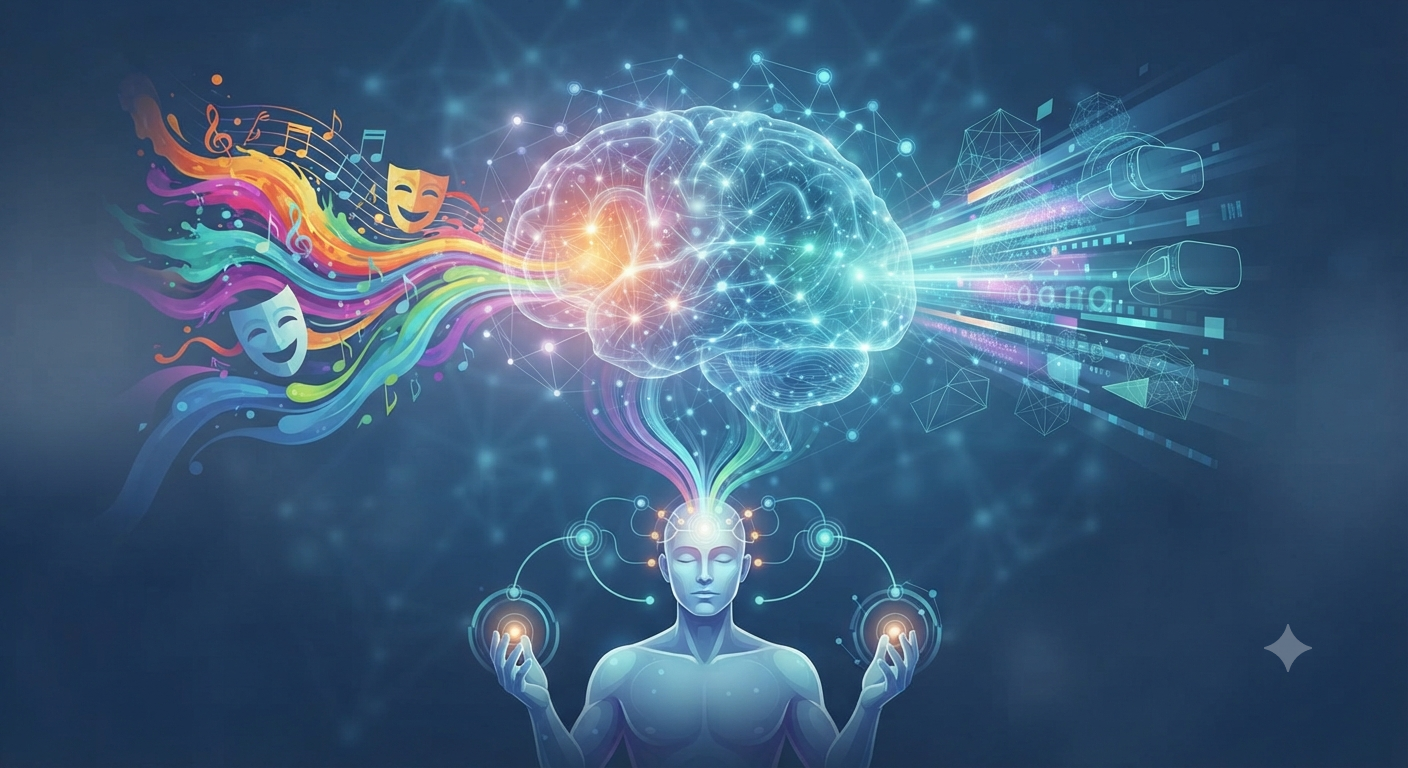
The authors of the article focus on an interdisciplinary analysis of the possibilities of combining art therapy practices and digital technologies within the neuropedagogical educational context. The aim of the study is to conceptually substantiate a new model of psychocorrectional work - "art polytherapy", which integrates sensory, cognitive, and affective components in a multimodal digital environment. The methodological basis of the study includes a theoretical-analytical review of the literature, synthesis of practical experience, and educational-prognostic modeling methods. The results of the discussions emphasize the significance of digital media as an active factor in therapeutic interaction - from sensory stimulation to emotional regulation.
The article highlights the specific features of using such forms of art therapy as drawing therapy, vocal therapy, improvised theater in VR format, as well as the use of AI algorithms and sensory mapping to individualize therapy. As a result, a step-by-step model of neuropedagogical art therapy was developed, taking into account the client's sensory profile, the selection of relevant media tools, and the monitoring of neuroresponse.
The practical value of the study lies in establishing the groundwork for future experimental testing of the effectiveness of digital art therapy in working with children with special educational needs and adults experiencing psycho-emotional exhaustion. Thus, the article forms an innovative educational and therapeutic discourse at the intersection of neuroscience, art, and digital technologies.
Disclaimer: This image was generated using artificial intelligence and may contain inaccuracies or inconsistencies.
It is provided solely as a visual aid to facilitate the rapid understanding of the key ideas presented
in this article. Our editorial team conducts ongoing reviews of AI-generated images and will correct
or replace them whenever an error or discrepancy is identified or reported.
Authors:
Khrystyna
Tsomyk
, Myroslava
Kulesha-Liubinets
, Tetyana
Ivanova
, Svitlana
Pukhno
, Iryna
Opanasiuk
, Olga
Sklianska
Abstract:
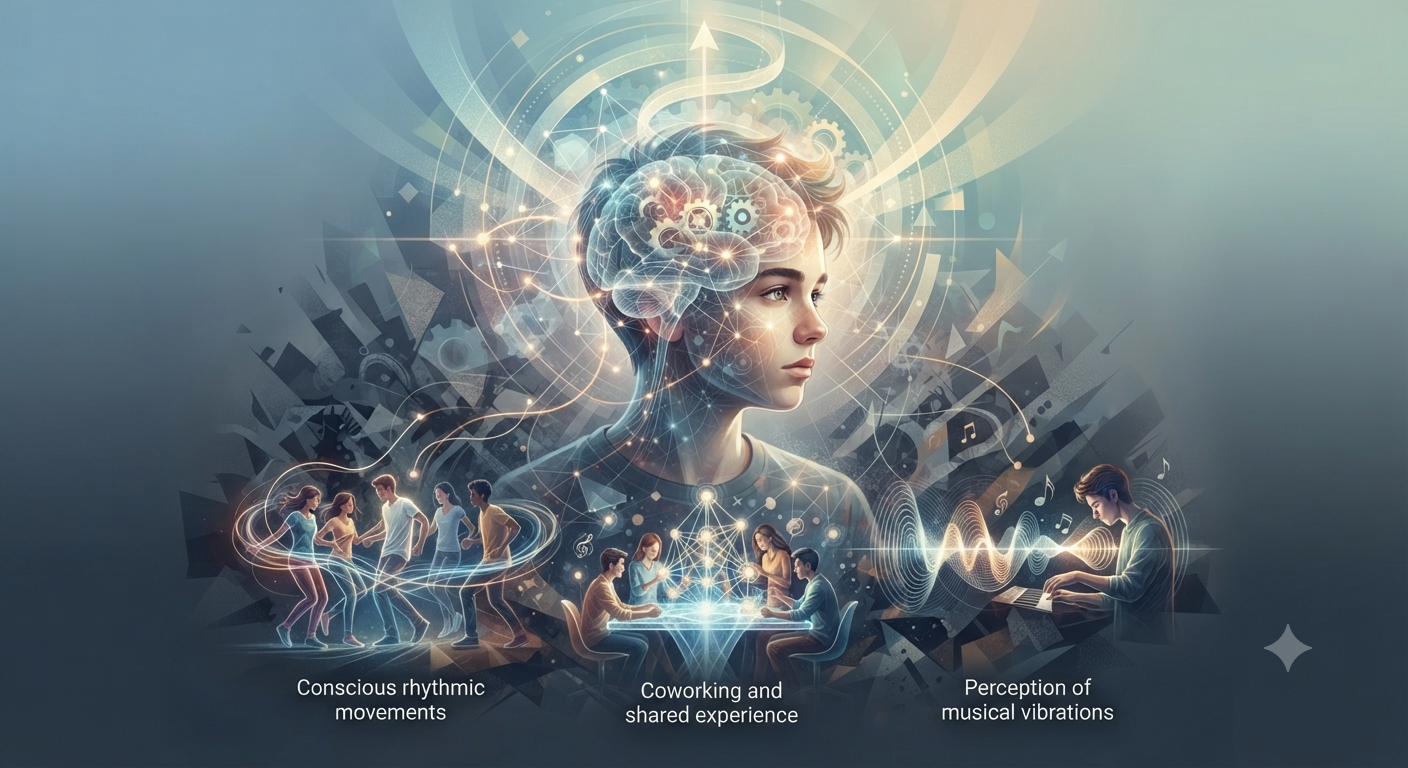
The article is devoted to the conceptualisation and neuropedagogical modelling of sanogenic thinking as a cognitive-affective resource of youth psychological resilience under conditions of war and chronic stress. The authors analyse sanogenic thinking within the framework of the modern neurocentric paradigm as a dynamic system that integrates metacognitive awareness, emotional regulation, and the reconceptualisation of experience. The aim of the study is to theoretically substantiate the category, select relevant techniques for its stimulation, and develop strategies for psychohygienic support. The methodological basis includes the analysis of interdisciplinary neuropsychological literature, projective-modelling, and systemic-organisational approaches. The authors propose an somatosensory-cognitive model for influencing sanogenic thinking, involving body- and cognitively-oriented practices (conscious and voluntary rhythmic movements, coworking and collaboration, perception of musical works, etc.). These and other neuropedagogical mechanisms, predominantly applied in group activities, rely on sensory and motor techniques within the context of neuro-social mechanisms of mutual trust, support, participation, and shared experience. The proposed model offers promising prospects for practical implementation in the system of youth psychorehabilitation during wartime and holds potential for international scalability.
Disclaimer: This image was generated using artificial intelligence and may contain inaccuracies or inconsistencies.
It is provided solely as a visual aid to facilitate the rapid understanding of the key ideas presented
in this article. Our editorial team conducts ongoing reviews of AI-generated images and will correct
or replace them whenever an error or discrepancy is identified or reported.
Authors:
Fahriye
Altinay
, Berkiye
Keyfiala
, Gökmen
Dagli
, Betul
Yikici
, Rustam
Shadiev
, Zehra
Altinay
Abstract:
In educational settings, artificial intelligence is the most important emerging technology to foster learning and teaching. While practicing artificial intelligence in educational environments, it is important to consider emotional experiences. For a deeper understanding’ longitudinal studies are required. Emotional studies and their impact on education will evolve over time. The aim of this research is to examine, from a holistic perspective, the emotional experiences, perceptions, and evaluations of school administrators in AI-assisted educational environments. The research was conducted using a qualitative research approach; the study group consisted of 30 school administrators working in the Turkish Republic of Northern Cyprus. A semi-structured interview form was used and face to face interviews were done. The findings indicate that AI applications create a perceptual, emotional, and cultural adaptation process for administrators. It was determined that administrators initially experienced caution, uncertainty, and ethical concerns; however, these perceptions changed towards acceptance and adaptation through information sharing and experience. Ethics, confidentiality, and security emerged as primary areas of concern; and it was found that AI-assisted applications generally had positive effects on school culture, teamwork, and student motivation.
Disclaimer: This image was generated using artificial intelligence and may contain inaccuracies or inconsistencies.
It is provided solely as a visual aid to facilitate the rapid understanding of the key ideas presented
in this article. Our editorial team conducts ongoing reviews of AI-generated images and will correct
or replace them whenever an error or discrepancy is identified or reported.
Authors:
Ana-Maria
Danila
, Cătălina
Ionescu
, Alin Stelian
Ciobica
, Ancuta Andreea
Miler
, Bogdan
Novac
, Mihai
Hogas
, Otilia
Novac
, Andrei
Luca
Abstract:
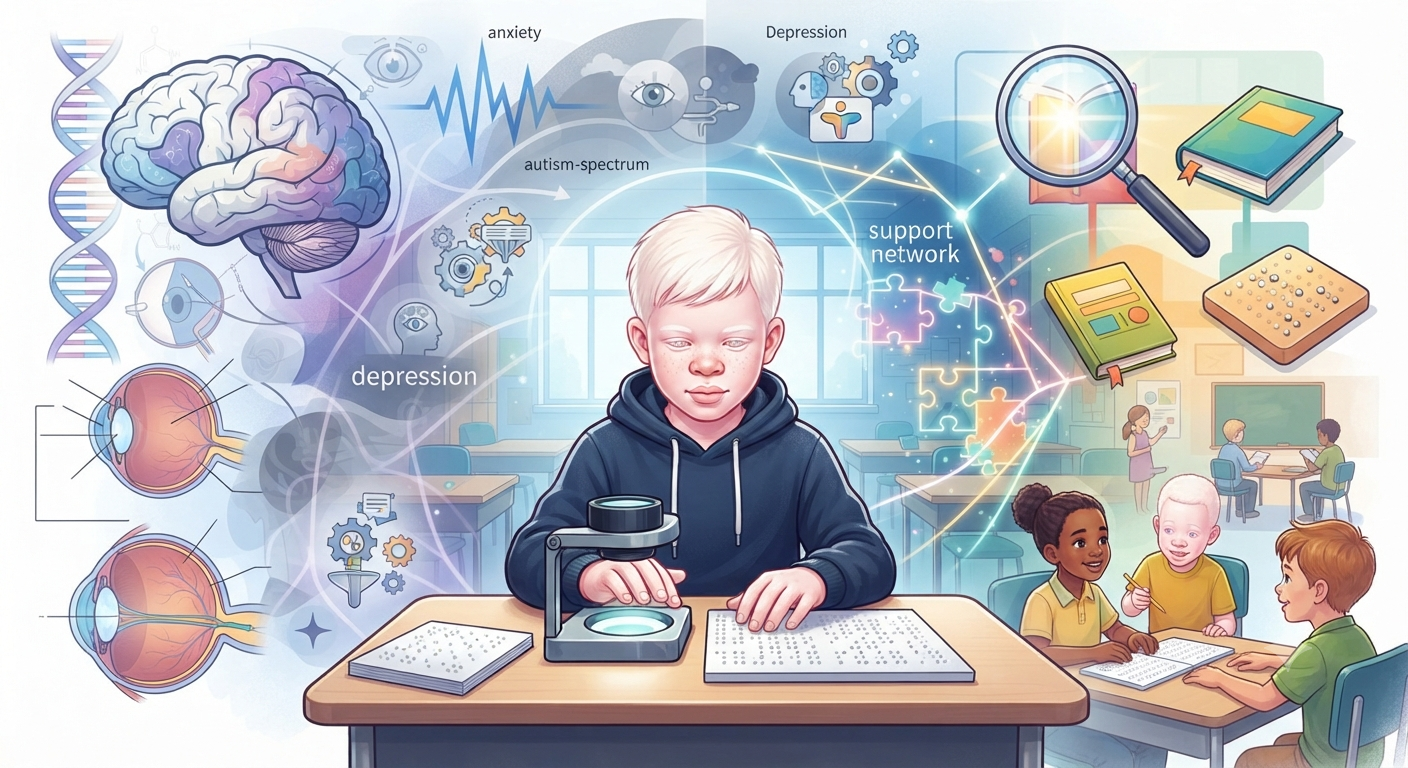
Albinism is a rare and heterogeneous genetic condition traditionally defined by reduced or absent melanin synthesis and by dermatological and ophthalmological manifestations. However, its functional consequences, particularly congenital visual impairment, extend beyond the biomedical dimension and may influence children’s neuropsychological development, behavioural adaptation, educational participation, emotional functioning and social inclusion. This narrative review aims to examine albinism from a neuropedagogical perspective, integrating medical, psychological, neurodevelopmental and educational dimensions. Within this interdisciplinary framework, the review explores the relationship between visual impairment, neuroeducational functioning, anxiety, depression, autism-spectrum features, emotional dysregulation, bullying and school inclusion. Visual impairment associated with albinism should not be understood only as a sensory limitation, but also as a factor that may affect access to information, nonverbal communication, autonomy, peer interaction and classroom participation. Particular attention is given to the differential interpretation of autism-like behaviors, since reduced eye contact, limited access to facial expressions and difficulties in interpreting visual social cues may reflect sensory limitations rather than autism spectrum disorder. Rather than proposing a direct causal relationship between albinism and psychiatric or neurodevelopmental disorders, this article adopts a biopsychosocial and neuropedagogical perspective. Emotional vulnerability may result from the interaction between visual limitations, stigma, bullying, reduced accessibility, limited autonomy, and insufficient educational support. From this perspective, functional vision assessment, individualised educational adaptations, assistive technologies, psychopedagogical support, family counseling and anti-bullying strategies are essential for reducing exclusion and supporting children’s development. The review concludes that an interdisciplinary neuropedagogical approach can provide a more comprehensive understanding of albinism and can guide ethical, individualised and inclusive interventions.
Disclaimer: This image was generated using artificial intelligence and may contain inaccuracies or inconsistencies.
It is provided solely as a visual aid to facilitate the rapid understanding of the key ideas presented
in this article. Our editorial team conducts ongoing reviews of AI-generated images and will correct
or replace them whenever an error or discrepancy is identified or reported.
Authors:
Oksana
Krainiak
, Yevheniia
Izhko
, Myroslava
Zymomrya
, Oksana
Marusych
, Lilia
Sazhko
, Olha
Kanibolotska
Abstract:
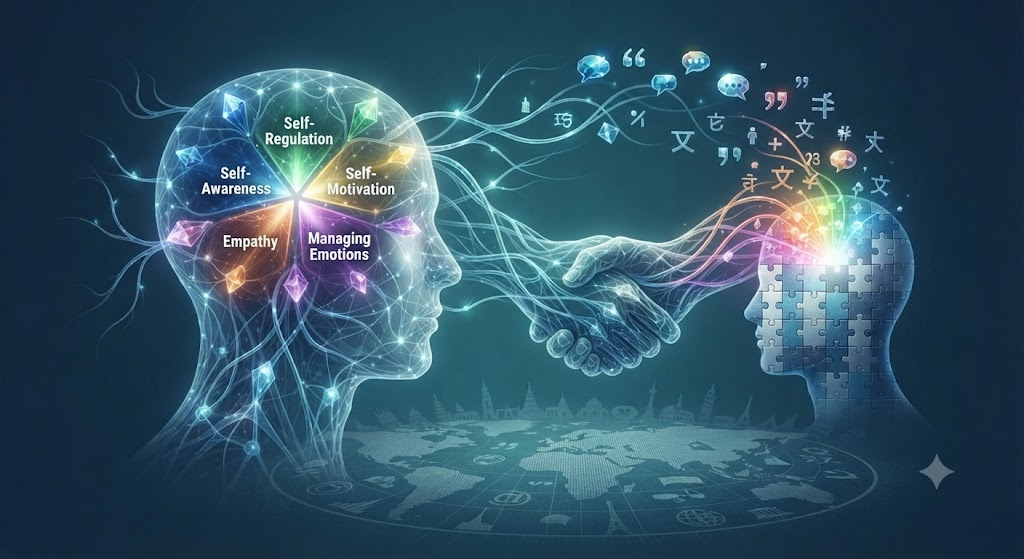
The level of emotional intelligence is a key factor in the development of communication skills. The ability to understand one’s own emotions and the feelings of an interlocutor plays a crucial role in effective interpersonal communication. This article analyses the process of developing students’ emotional intelligence through the framework of its main components (emotional awareness, self-regulation of emotions, self-motivation, empathy, and managing others’ emotions). Moreover, it examines their influence on foreign language acquisition by combining findings from theoretical and empirical research. The obtained results indicate that students with a high level of emotional intelligence tend to demonstrate superior outcomes in terms of learning motivation and engagement. They strive to cultivate those abilities and skills that increase the effectiveness of intercultural communication. It follows that a high level of emotional intelligence is necessary for students not only in personal communication but also in their future professional roles. Therefore, particular attention should be paid to fostering emotional competence across all subjects, including foreign languages. As part of the research, a set of exercises was developed to support the growth of students’ emotional intelligence during English language learning. The ability to recognise and articulate one’s emotions, to understand the feelings of others, express and justify personal viewpoints, respect different opinions, agree or disagree appropriately, and sustain friendly communication in English is fundamental to building professional foreign language competence.
Section 3. Artificial Intelligence, Society, Culture and Human Cognition
Disclaimer: This image was generated using artificial intelligence and may contain inaccuracies or inconsistencies.
It is provided solely as a visual aid to facilitate the rapid understanding of the key ideas presented
in this article. Our editorial team conducts ongoing reviews of AI-generated images and will correct
or replace them whenever an error or discrepancy is identified or reported.
Authors:
Duong
Tien Phong
Abstract:
Artificial intelligence (AI) and generative language models are increasingly reshaping religious communication, multilingual knowledge dissemination, and meaning-making within digitally mediated environments. While existing scholarship on Digital Religion has examined online authority, technological mediation, and networked religious participation, limited empirical attention has been devoted to how AI-mediated systems influence trust formation, interpretive authority, and engagement within Buddhist communication. This study addresses this gap through an exploratory mixed-methods investigation of Digital Dharma communication in the contemporary Trúc Lâm Zen tradition. The study employed a mixed-methods design combining a survey of 308 Buddhist practitioners and Digital Dharma users with 22 semi-structured interviews involving monastics, lay practitioners, retreat participants, and active users of AI-assisted religious platforms. Quantitative data were analyzed using descriptive statistics, reliability analysis, exploratory factor analysis, correlation analysis, and multiple regression, while qualitative data were examined through thematic analysis. The findings indicate that doctrinal consistency, authority perception, technological mediation, and transformative experience are positively associated with trust in AI-mediated Dharma communication. Regression analyses identified doctrinal consistency as the strongest predictor of trust, while authority perception, technological mediation, and transformative experience significantly predicted Digital Dharma engagement. Qualitative findings further revealed recurring themes of expanded accessibility, doctrinal reliability, contemplative depth, and negotiated authority. Building on these findings, the study proposes the Integrated Human–AI Digital Dharma Mediation (IHDDM) Framework, which conceptualizes Digital Dharma as a dynamic ecosystem shaped by doctrinal integrity, technological mediation, transformative practice, trust negotiation, and distributed authority. The study contributes to emerging discussions on Digital Religion, Human–AI communication, and Buddhist Studies by providing an empirically informed framework for understanding religious meaning-making in the age of generative AI.
Disclaimer: This image was generated using artificial intelligence and may contain inaccuracies or inconsistencies.
It is provided solely as a visual aid to facilitate the rapid understanding of the key ideas presented
in this article. Our editorial team conducts ongoing reviews of AI-generated images and will correct
or replace them whenever an error or discrepancy is identified or reported.
Authors:
Viktoriia
Hura
, Iryna
Maidaniuk
, Olena
Bukhnieva
, Nataliia
Batiuk
, Oksana
Gorozhankina
, Tetiana
Tanko
Abstract:
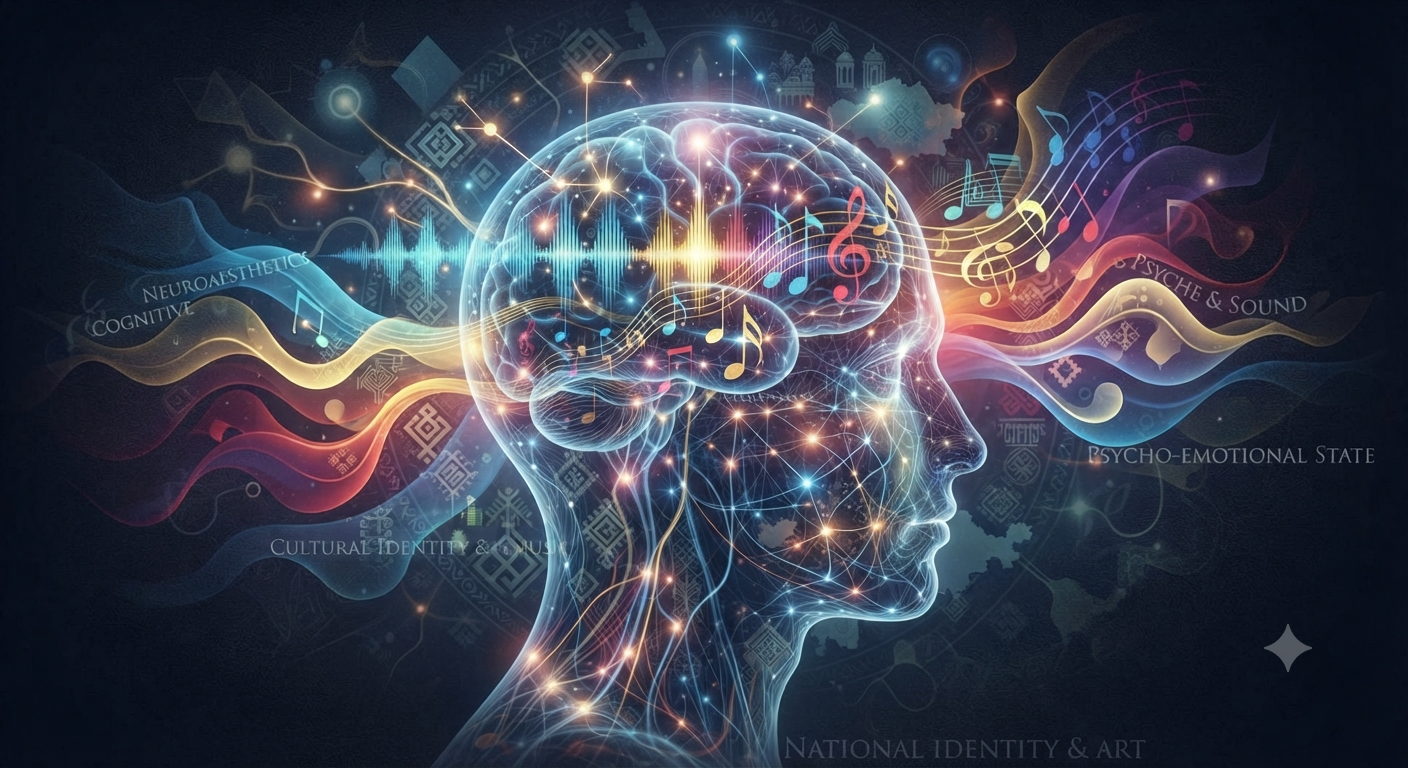
The article analyses the relationship between art and national identity within the framework of neuroaesthetics and cognitive sciences. In this context, the study aims to examine how the temporal and semantic characteristics of national music affect the mechanisms of emotional regulation. Furthermore, it explores the music’s influence on the psyche. Emotional sensitivity manifested in national music directly influences one’s psycho-emotional state and cognitive processes. To investigate this, the empirical component of the study is based on a quantitative analysis of respondents’ musical preferences in stressful situations. The findings reveal links between integral, figurative, and cognitive emotional sensitivity to music, and susceptibility within visual and motor factors. In addition, the connections with personal characteristics are identified, including personality traits, musical preferences, and the use of music in everyday life. Taken together, these results support the concept of an integrated ability that arises from the interaction of differential sensitivities across various analysers. Importantly, this ability serves as the foundation for expressing diverse personal characteristics. Finally, the article verifies the hypothesis that fast-tempo music with complex content has a stronger influence on emotions than slow melodies, particularly when used to process negative emotions.
Disclaimer: This image was generated using artificial intelligence and may contain inaccuracies or inconsistencies.
It is provided solely as a visual aid to facilitate the rapid understanding of the key ideas presented
in this article. Our editorial team conducts ongoing reviews of AI-generated images and will correct
or replace them whenever an error or discrepancy is identified or reported.
Authors:
Dominika
Doktorová
, Ladislav
Pittner
Abstract:
This study examined associations between social media dependence, exposure to appearance-focused content, and multidimensional body image among Generation Z. A cross-sectional correlational design was used with a community sample of N = 351 students aged 18–20 years. Data were collected via the Bergen Social Media Addiction Scale (BSMAS) and the Body Self-Image Questionnaire – Short Form (BSIQ-SF), alongside items assessing general social media use and time spent on appearance-focused profiles. Inferential statistics (Pearson’s r, Spearman’s rho, Kruskal–Wallis H, independent samples t test) were computed at α = 0.05. Higher social media dependence was positively associated with more problematic body image (r = 0.302; p < 0.001). Subscale analyses indicated that dependence was most strongly related to Social Dependence (r = 0.367; p < 0.001) and Negative Affect (r = 0.299; p < 0.001), and negatively to Overall Appearance Evaluation (r = −0.161; p = 0.003) and Health–Fitness Evaluation (r = −0.118; p = 0.027). No significant association emerged between general time on social media and body dissatisfaction (r = −0.033; p = 0.537). By contrast, time devoted to appearance-focused content correlated positively with body dissatisfaction (r = 0.153; p = 0.004), and group differences by exposure duration were confirmed (χ² = 11.148; p = 0.025). Findings suggest that qualitative features of online engagement—particularly exposure to idealised imagery and appearance-contingent feedback—are more consequential for body image than overall usage time. Implications include targeted media-literacy interventions emphasising critical evaluation of appearance content and support for protective body-image processes in Generation Z.
Disclaimer: This image was generated using artificial intelligence and may contain inaccuracies or inconsistencies.
It is provided solely as a visual aid to facilitate the rapid understanding of the key ideas presented
in this article. Our editorial team conducts ongoing reviews of AI-generated images and will correct
or replace them whenever an error or discrepancy is identified or reported.
Authors:
Andreea-Gabriela
Filimon
, Gerhard
Mema
, Teodor
Răileanu-Olariu
, Dan-Ioan
Coman
, Caius Călin
Miuța
Abstract:
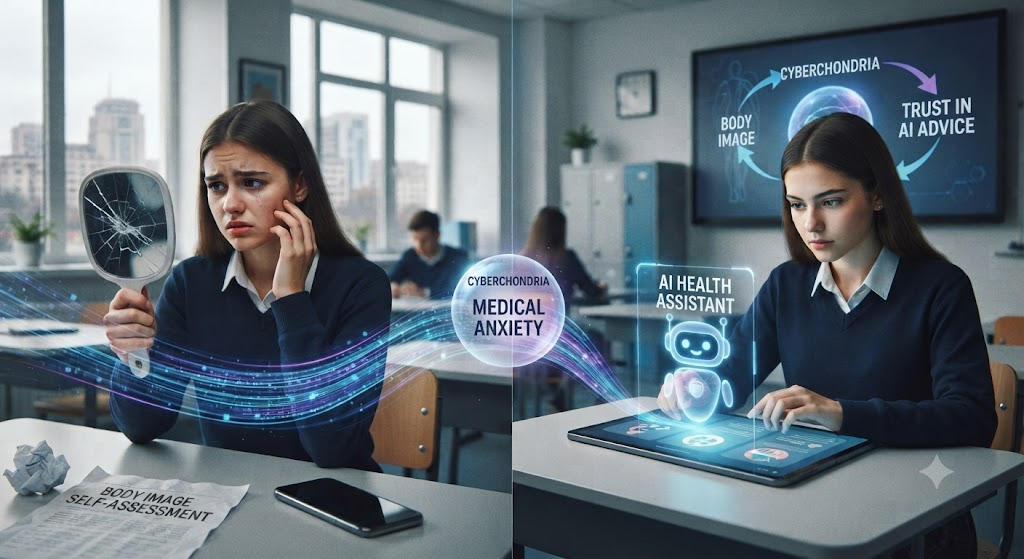
The increasing use of artificial intelligence (AI) tools for health-related information raises important questions about the psychological factors that shape trust in AI-generated health advice. The present study examined whether cyberchondria mediates the relationship between body image-related variables and trust in AI-generated health advice, and whether eHealth literacy moderates these associations. The sample included 189 urban high-school students from Romania. Participants completed self-report measures assessing body self-esteem, body-related affect, cyberchondria, eHealth literacy, and trust in AI-generated health advice. Body Mass Index was calculated based on self-reported height and weight. Data were analysed using IBM SPSS Statistics 20 and the PROCESS macro. Mediation analyses showed that cyberchondria mediated the relationship between body-related affect and trust in AI-generated health advice, as well as the relationship between body self-esteem and trust in AI-generated health advice, while controlling for age, gender, and BMI. Specifically, adolescents who reported more negative emotions regarding their bodies and lower body self-esteem also reported higher levels of cyberchondria, which in turn was associated with greater trust in AI-generated health advice. Moderation analyses indicated that eHealth literacy did not moderate the associations between body image-related variables and AI trust; however, eHealth literacy was positively associated with trust in AI-generated health advice. These findings suggest that cyberchondria may represent an important pathway linking body image-related vulnerability to increased receptivity toward AI-generated health guidance. The results highlight the need to consider psychological vulnerability, online health information-seeking patterns, and digital health literacy when evaluating adolescents’ trust in AI-based health tools.
Disclaimer: This image was generated using artificial intelligence and may contain inaccuracies or inconsistencies.
It is provided solely as a visual aid to facilitate the rapid understanding of the key ideas presented
in this article. Our editorial team conducts ongoing reviews of AI-generated images and will correct
or replace them whenever an error or discrepancy is identified or reported.
Authors:
Liudmyla Volodymyrivna
Shytyk
, Liudmyla Petrivna
Yuldasheva
, Anzhelika Kostiantynivna
Dosenko
, Oleksii Valeriiovych
Sytnyk
, Myroslava Mykhailivna
Malysh
, Artem Oleksandrovych
Halych
Abstract:
The interpretation of explicit and implicit contrast is a complex psycholinguistic process that requires the integration of linguistic, cognitive, and contextual information. This study examines the mechanisms underlying contrast recognition and interpretation in contemporary Ukrainian and English-language poetry and compares them with the computational operations of Large Language Models (ChatGPT, Gemini, and Claude). The research combines a controlled psycholinguistic experiment with comparative AI analysis within a unified interdisciplinary framework. The experimental corpus comprised thirty authentic twenty-first-century poetic excerpts, including twenty Ukrainian and ten English-language texts representing both explicit and implicit contrastive structures. Human participants and the three LLMs analysed the same material under identical experimental conditions, while representative cases were selected for detailed qualitative analysis. The study proposes an original seven-stage psycholinguistic model of contrast interpretation and demonstrates that the relationship between human cognition and transformer-based language models is best understood through the concept of functional analogues rather than cognitive equivalence. The findings show that both humans and LLMs accurately recognise explicit contrast, whereas implicit contrast exposes fundamental differences in interpretative strategies. Human readers rely on semantic memory, cultural knowledge, contextual integration, and inferential reasoning, while LLMs primarily exploit contextual representations and probabilistic prediction. The proposed framework extends psycholinguistic research on literary discourse and provides a methodological basis for evaluating the interpretation of implicit meaning by contemporary artificial intelligence systems.
Disclaimer: This image was generated using artificial intelligence and may contain inaccuracies or inconsistencies.
It is provided solely as a visual aid to facilitate the rapid understanding of the key ideas presented
in this article. Our editorial team conducts ongoing reviews of AI-generated images and will correct
or replace them whenever an error or discrepancy is identified or reported.
Authors:
Dan-Ioan
Coman
, Andreea-Gabriela
Filimon
, Adriana
Manolică
Abstract:
The rapid diffusion of artificial intelligence (AI) has reshaped digital transformation and organisational performance, yet the mechanisms linking entrepreneurs’ AI attitudes to business outcomes remain underexplored. This study examines how digital transformation processes mediate the relationship between positive attitudes towards AI and firm performance. Specifically, it tests the sequential mediating roles of digital business orientation and digital capabilities in relation to financial and non-financial performance, while also considering entrepreneurial burnout. Data were collected through an online survey distributed via Facebook and LinkedIn and analysed using the PROCESS macro (Models 6 and 1) in a sample of 116 Romanian entrepreneurs. Results show that positive AI attitudes significantly predict digital business orientation, which strongly enhances digital capabilities; these capabilities, in turn, positively influence both performance outcomes. The findings confirm a significant serial mediation effect, suggesting that AI attitudes improve firm performance mainly by fostering digital orientation and capabilities. Burnout does not significantly moderate the link between digital capabilities and performance, although it is negatively associated with non-financial performance. The study underscores the strategic value of digital orientation and capabilities for entrepreneurial success in the AI era.
Section 4. Emerging Interdisciplinary Perspectives in Artificial Intelligence, Neuroscience and Society
Disclaimer: This image was generated using artificial intelligence and may contain inaccuracies or inconsistencies.
It is provided solely as a visual aid to facilitate the rapid understanding of the key ideas presented
in this article. Our editorial team conducts ongoing reviews of AI-generated images and will correct
or replace them whenever an error or discrepancy is identified or reported.
Authors:
Nataliia
Nikitina
, Olena
Mykhailenko
, Iryna
Maidaniuk
, Mariana
Markova
, Iurii
Zavadskyi
, Olena
Fedina
Abstract:
In this article, we investigated the fragmentation of the philosophy of the creative mind, which manifests itself through the postcolonial rejection by women of their own bodies and needs, using materials drawn from women’s short prose. The authors of the article used predominantly interdisciplinary methods, the main ones being neurocultural, psychoanalytic, and literary (narratological) analysis. Using literary-philosophical, narratological, and reflexive methods, the authors examined feminist manifestations of postcolonialism in Ukraine, which deprive women of their bodily-erotic identity and lead to a loss of identity, the confrontation of two cultures, and the destruction of the connection with their own cultural heritage. We also demonstrated that such alienation develops into a personal and broader human tragedy in a postcolonial/post-totalitarian world, where loneliness becomes an existential threat. The main conclusions address the neuropsychological context of the fragmented postcolonial mind and its destructive consequences. These include aversion to otherness, sexual dysphoria, and alternative manifestations of primal or sublimated sexuality resulting from the prolonged alienation of female corporeality. The latter leads to a philosophy of the fragmented creative mind, accompanied by ambivalent daily reflections and processes of self-formation. Finally, the article summarises the multimodality of the “Soviet trauma of corporeality” and outlines therapeutic directions for addressing “raped” and fragmented consciousness. These involve intersubjectivity, subjectivation, the restoration of boundaries, and the ethical acceptance of corporeality. The article also presents a conceptual map integrating the proposed understanding of the problem.
Disclaimer: This image was generated using artificial intelligence and may contain inaccuracies or inconsistencies.
It is provided solely as a visual aid to facilitate the rapid understanding of the key ideas presented
in this article. Our editorial team conducts ongoing reviews of AI-generated images and will correct
or replace them whenever an error or discrepancy is identified or reported.
Authors:
Bogdan
Doroftei
, Rand
Joukhaji
, Gabriel
Dascalescu
, Alin
Ciobica
, Dragos
Puia
, Mara
Doroftei
, David
Puha
, Bogdan
Puha
Abstract:
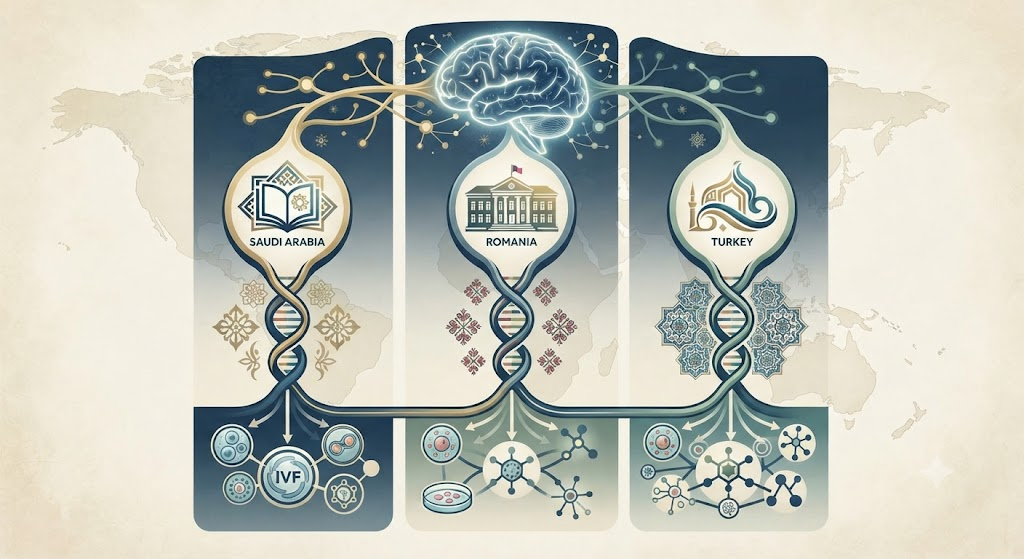
The integration of brain-based learning principles into teaching methodologies allows educators to align instructional design with innate cognitive processing. Because teaching practices influence neural plasticity, they strongly shape how knowledge is absorbed and retained. Building upon this dynamic, the present study evaluates the distinct educational paradigms of Saudi Arabia, Romania, and Turkey, mapping their pedagogical structures against underlying sociocultural norms. Through an interdisciplinary approach, this comparative analysis bridges educational neuroscience and reproductive medicine to investigate public and institutional attitudes toward in vitro fertilization (IVF). The research explores how specific instructional environments and cultural contexts inform the varying degrees of IVF awareness, legislative regulation, and clinical accessibility across the three nations.
Disclaimer: This image was generated using artificial intelligence and may contain inaccuracies or inconsistencies.
It is provided solely as a visual aid to facilitate the rapid understanding of the key ideas presented
in this article. Our editorial team conducts ongoing reviews of AI-generated images and will correct
or replace them whenever an error or discrepancy is identified or reported.
Authors:
Kristofer
Kiraly
, Bálint
Dimén
, Iacobina Carmen
Zau
, Anna Emese
Bernath
, Manuela Dora
Gyorgy
, Dan Octavian
Rusu
, Ionut-Virgil
Șerban
, Johanna
Farkas
, Cristian
Delcea
Abstract:
This study examined the relationship between retrospective childhood emotional abuse (CEA) and adult depressive symptoms by investigating the mediating role of cognitive rumination and the moderating role of psychological resilience within a Transylvanian-Hungarian sample. A cross-sectional sample of Hungarian-speaking adults (N = 223, M_age = 24.9 years) completed an online battery of validated self-report measures assessing childhood emotional abuse, depressive symptoms, rumination, and resilience. Mediation and moderation analyses were conducted using a bootstrapping procedure with 5,000 resamples.
The findings supported a partial mediation model, indicating that rumination represented a substantial indirect pathway linking childhood emotional abuse to depressive symptoms. Specifically, the indirect effect accounted for approximately 74.7% of the total effect. Furthermore, resilience significantly moderated the relationship between childhood emotional abuse and depressive symptoms (b = -0.04, p < .001), suggesting that the association between early emotional abuse and adult depressive symptomatology was weaker among individuals reporting higher levels of psychological resilience.
These findings are consistent with cognitive vulnerability models of depression and suggest that repetitive negative thinking and resilience processes may play important roles in understanding individual differences in psychological adjustment following childhood emotional abuse. Although the cross-sectional design precludes causal inferences, the results provide additional evidence from an understudied cultural context and may have implications for interventions aimed at reducing maladaptive rumination and strengthening resilience among individuals exposed to early emotional adversity.











 ▲
▲