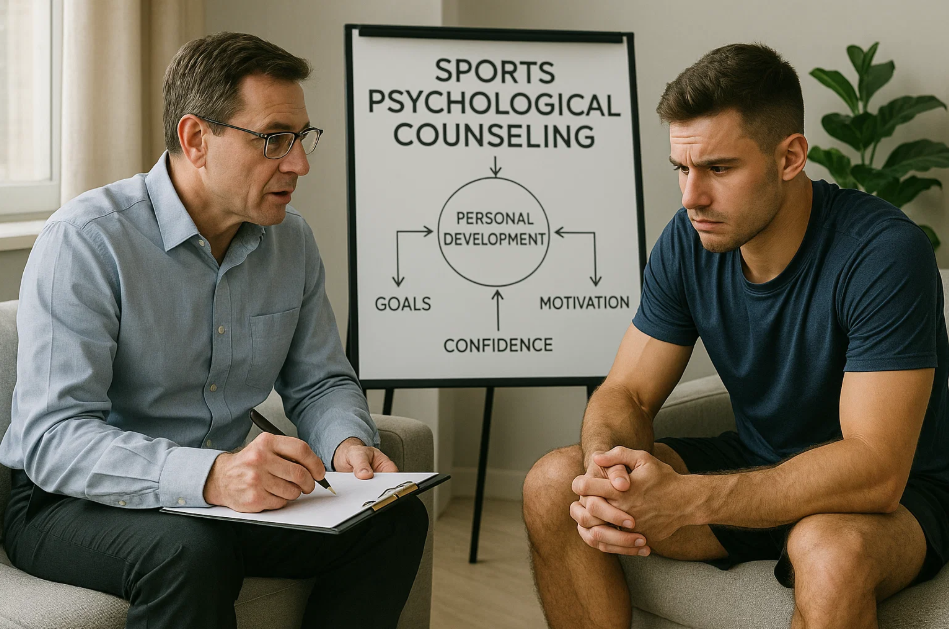
This article provides an in-depth analysis of the theoretical and methodological foundations of sports psychological counseling, with a particular focus on the professional and personal requirements placed on athletes. It examines how psychological counseling influences an athlete’s personal development, emphasizing the importance of individualized support in addressing the complex psychological demands of high-performance sports.
The study reviews contemporary technologies and approaches used in psychological counseling to foster personal growth, mental resilience, and professional readiness among athletes. It outlines the primary tasks of sports psychological counseling, identifying key personal criteria that contribute to the formation of psychological preparedness within a personality-oriented framework. Special attention is given to the influence of professional deformations—patterns of stress, maladaptation, or rigid behaviors that may emerge within an athletic career—and the consultative strategies designed to mitigate their impact.
At both methodological and applied levels, the article demonstrates that an athlete’s personal development is closely tied to their individual sports style, requiring flexible and tailored counseling interventions. The authors propose practical recommendations for enhancing confidence-building processes between counselor and athlete, grounded in principles of mutual trust, partnership, and individualized support. These insights contribute to a more nuanced understanding of how psychological counseling can effectively address personal challenges while strengthening the athlete’s overall professional trajectory.