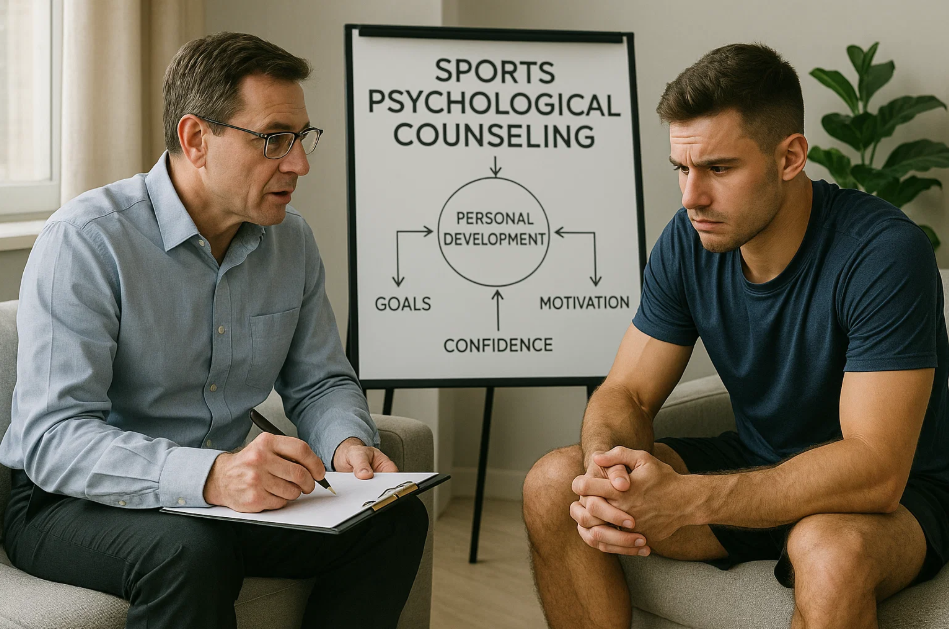
This post explores the theoretical and methodological principles behind psychological and pedagogical counseling in contemporary education. It focuses on how counseling integrates insights from neuropsychology, neuropedagogy, and inclusive education to support adaptive behavior, personal development, and professional competence among learners and educators.
Authors:
Yurii Kashpur – National Pedagogical Dragomanov University, Ukraine (UA)
Liudmyla Lupiiko – National Pedagogical Dragomanov University, Ukraine (UA)
Oleksii Liashenko – National Pedagogical Dragomanov University, Ukraine (UA)
Vira Kuzmenko – National Pedagogical Dragomanov University, Ukraine (UA)
Nataliia Huzii – National Pedagogical Dragomanov University, Ukraine (UA)
Olena Tadeush – Boris Grinchenko Kyiv University, Ukraine (UA)
Understanding Psychological and Pedagogical Counseling
Psychological and pedagogical counseling represents a specialized field that bridges psychology and education, aiming to provide emotional, cognitive, and behavioral support to learners, educators, and families. It serves as a consultative process that helps individuals adapt to the challenges of the educational environment while promoting mental health, social integration, and personal growth.
This article examines the methodological and theoretical underpinnings of counseling practices, emphasizing their interdisciplinary nature — particularly the connection to neuropsychology, neuropedagogy, and neurophysiology.
Key Theoretical and Methodological Principles
The authors propose that effective counseling must be grounded in both scientific theory and practical methodology, which together define how psychological assistance is provided in educational settings. The paper identifies several crucial foundations:
- Theoretical and methodological principles — establishing the conceptual base for counseling as a structured process of professional interaction.
- Psychological mechanisms — explaining how individuals process emotional and cognitive experiences during counseling sessions.
- Ethical standards — ensuring that the counselor demonstrates empathy, confidentiality, and professional integrity.
These elements shape the competence and effectiveness of counselors working in educational institutions.
Psychological Approaches Applied in Counseling
The research identifies three dominant approaches in current psychological and pedagogical counseling:
- Person-centered approach – focusing on empathy, unconditional positive regard, and the individual’s capacity for self-actualization (inspired by Carl Rogers).
- Problem-oriented approach – addressing specific challenges or difficulties the client faces, aiming to build coping strategies and adaptive skills.
- Professional-competence approach – emphasizing the counselor’s expertise, continuous self-development, and adherence to evidence-based practices.
These approaches are often integrated to meet the diverse psychological and educational needs of today’s learners, particularly in inclusive education environments.
Counseling in Inclusive and Neurodiverse Education
The article underscores the importance of psychological and pedagogical counseling in inclusive education, where students with diverse learning and developmental needs are supported through tailored psychological assistance. The integration of neuropedagogical and neuropsychological knowledge helps educators better understand how brain functions relate to learning behaviors, enabling more effective strategies for children with special educational needs.
Counseling in such contexts is not merely corrective — it becomes a transformative process, fostering adaptation, resilience, and emotional intelligence.
Conclusion
The study establishes that modern psychological and pedagogical counseling must rely on a person-centered, scientifically grounded, and ethically responsible methodology. By combining theoretical frameworks with applied psychological mechanisms and neurocognitive insights, counselors can better guide individuals toward achieving adaptive, balanced, and fulfilling participation in the educational process.
Read the full article here: https://brain.edusoft.ro/index.php/brain/article/view/1354.