Latest Articles

  • Research Publications

    Communication Training of Future Sports Coaches in the Context of Neurophysiological Patterns

    This post highlights an experimental pedagogical study that explores how neurophysiological principles can enhance communication training for future sports coaches. Conducted by a team of Ukrainian researchers, the study demonstrates how targeted educational interventions can improve communicative competence — a crucial skill for coaching, leadership, and athlete motivation.


    Authors:
    Yuliia Nenko – National University of Civil Defence of Ukraine (UA)
    Serhii Medynskyi – Bohdan Khmelnytsky Melitopol State Pedagogical University, Ukraine (UA)
    Borys Maksymchuk – Izmail State University of Humanities, Ukraine (UA)
    Lidiia Lymarenko – Kherson State University, Ukraine (UA)
    Larysa Rudenko – Lviv State University of Life Safety, State Emergency Service of Ukraine (UA)
    Serhii Kharchenko – Sumy National Agrarian University, Ukraine (UA)
    Andriy Kolomiets – Sumy National Agrarian University, Ukraine (UA)
    Iryna Maksymchuk – Izmail State University of Humanities, Ukraine (UA)


    Introduction

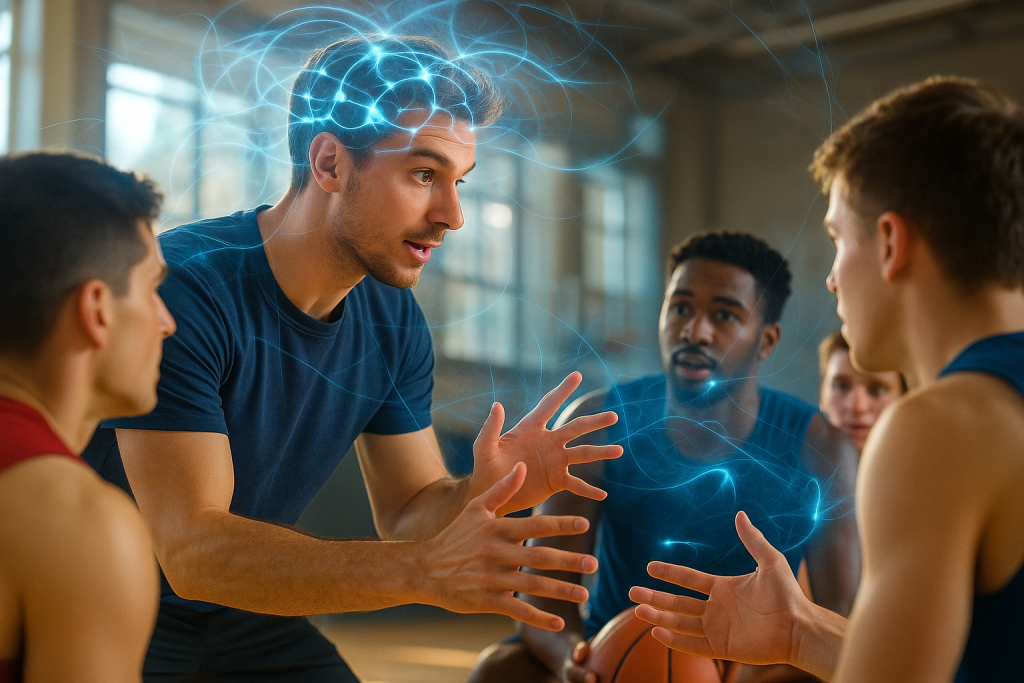
    Effective communication is at the heart of successful coaching, influencing athlete performance, team cohesion, and psychological resilience. For future sports coaches, communication competence is not merely a social skill — it’s a neurophysiological process involving attention, perception, emotion regulation, and empathy.

    This study, “Communication Training of Future Sports Coaches in the Context of Neurophysiological Patterns,” investigates how integrating neurophysiological mechanisms of communication into educational training can strengthen professional readiness among sports coaching students.


    Purpose of the Study

    The main goal of the research was to experimentally verify pedagogical conditions that improve communicative competence in future sports coaches by:

    • Cultivating a value-based attitude toward professional communication;
    • Implementing interactive learning methods grounded in neurophysiological understanding;
    • Enhancing educational and methodological support;
    • Promoting subject–subject interaction through simulated professional communication situations.

    Methodology

    The study involved 211 students, divided into:

    • Experimental group (EG): 105 participants;
    • Control group (CG): 106 participants.

    All participants voluntarily took part in the research, which combined didactic innovation, interactive modeling, and neuropsychological diagnostics.

    Key methods included:

    • Development of author-designed educational materials tailored to communicative training;
    • Simulation exercises replicating real-life coaching interactions;
    • Diagnostic tools assessing emotional regulation, empathy, verbal/non-verbal skills, and attention control, reflecting neurophysiological patterns of communication.

    Findings

    After the formative experiment, the results showed significant improvement in communicative preparedness among students in the experimental group:

    • High level of communicative readiness: +12.4%
    • Average level: +13.3%
    • Low level: −25.7%

    These findings confirm that neuro-informed pedagogical conditions enhance professional communication skills by aligning teaching with the brain’s natural mechanisms of learning and adaptation.


    Discussion

    The results demonstrate that effective communication training requires more than role-play or rhetoric exercises — it demands attention to how the nervous system processes information, emotion, and feedback.

    By integrating neurophysiological principles such as:

    • Attention control (focus and concentration during interaction),
    • Mirror neuron activation (empathy and imitation in communication),
    • Emotional regulation (stress resilience and feedback management),

    future coaches can achieve higher engagement, emotional intelligence, and behavioral adaptability.

    This approach transforms communication from a surface skill into a neurologically grounded competency, essential for motivating athletes, managing conflict, and fostering team trust.


    Conclusion

    The experimental data provide strong evidence that neurophysiologically informed teaching strategies can significantly enhance communicative readiness among future sports coaches.

    By focusing on autonomy, empathy, feedback responsiveness, and cognitive regulation, educators can train professionals capable of leading teams both intellectually and emotionally.

    The study contributes to a growing body of work on neuroeducation, showing that understanding the brain’s communication mechanisms leads to more effective, sustainable learning outcomes in sports pedagogy and beyond.


    See full paper here: https://doi.org/10.18662/brain/13.1/268.

  • News

    Editorial Statement on the Ethical Use of Artificial Intelligence in Scientific Writing

    The editorial board of BRAIN. Broad Research in Artificial Intelligence and Neuroscience reaffirms its strong position regarding the ethical boundaries of artificial intelligence in academic publishing. While AI-based tools can be useful for language editing, reference management, or data visualization, the generation of entire scientific manuscripts with AI systems is neither acceptable nor ethical.


    Scientific research must reflect the authentic intellectual work of its authors. Articles produced by machines do not carry the responsibility, critical analysis, or accountability that define true scholarship. Allowing AI to replace the researcher undermines the credibility of both the peer-review process and the integrity of scientific communication.

    For this reason, BRAIN maintains rigorous editorial procedures. Beyond peer review, our editorial team — including Dr. Claudia Țugulea — carefully performs post-review evaluation. This process involves verifying the accuracy of data, ensuring concordance between tables and figures, and validating the authenticity of photographs and other scientific materials. Such measures are essential to guarantee transparency, reliability, and trustworthiness in published research.

    We emphasize that AI should remain an auxiliary tool, never a substitute for human creativity and critical thinking. Upholding ethical standards is a shared responsibility between authors, reviewers, and editors. At BRAIN, we remain committed to protecting the integrity of science and ensuring that published work reflects genuine human contribution.

  • Research Publications

    Foreign Language Competence Development of University Students and Its Evaluation in the Context of Modern Neuroscience

    This post highlights an innovative interdisciplinary study exploring how neuroscience can enhance the development and evaluation of foreign language competence among university students. Conducted by researchers from several leading Ukrainian universities, the paper proposes a neurocognitive framework for assessing linguistic and communicative skills through associative methods.


    Authors:
    Ruslana Dovhanchyna – Taras Shevchenko National University of Kyiv, Educational and Scientific Institute of Philology, Kyiv, Ukraine (UA)
    Roksolana Povoroznyuk – Taras Shevchenko National University of Kyiv, Educational and Scientific Institute of Philology, Kyiv, Ukraine (UA)
    Svitlana Kyrychenko – Admiral Makarov National University of Shipbuilding, Mykolaiv, Ukraine (UA)
    Anastasiia Petrova – Vinnytsia Mykhailo Kotsiubynskyi State Pedagogical University, Vinnytsia, Ukraine (UA)
    Nataliia Bailiuk – Odessa Polytechnic State University, Odessa, Ukraine (UA)
    Bogdana Kolodii – Taras Shevchenko National University of Kyiv, Educational and Scientific Institute of Philology, Kyiv, Ukraine (UA)


    Introduction

    In the era of globalization and digital learning, foreign language competence (FLC) is a vital component of academic success and professional development. Traditional language teaching methods—focused primarily on grammar, vocabulary, and communication practice—are increasingly being complemented by insights from neuroscience, which offers new ways to understand how the human brain acquires, processes, and evaluates language.

    The study “Foreign Language Competence Development of University Students and Its Evaluation in the Context of Modern Neuroscience” bridges linguodidactics and neuropsychology, emphasizing how neurocognitive principles can improve both language learning and assessment strategies.


    Research Focus

    The research examines:

    • How neuroscientific approaches can inform the evaluation of foreign language competence in higher education;
    • The potential of associative methods as a neuro-based tool for developing and assessing linguistic skills;
    • The logical and cognitive mechanisms involved in connecting words, meanings, and emotions during language acquisition.

    Neuroscientific Approach to Language Competence

    Modern neuroscience has shown that language learning is a multi-sensory and associative process, involving complex neural networks that integrate:

    • Cognitive functions (attention, memory, reasoning),
    • Emotional regulation,
    • Sensory-motor coordination, and
    • Social communication patterns.

    By aligning teaching and evaluation methods with these neural processes, educators can better activate associative pathways, enhancing both retention and creative language use.


    The Associative Method: A Neuro-Oriented Tool

    The authors identify the associative method as one of the most effective and accessible neuro-based approaches to language evaluation.

    This method encourages students to build semantic networks—linking words through personal meaning, imagery, and emotion—thus engaging the brain’s logical-associative and paradigmatic systems.

    Key features of the associative method include:

    • Stimulating free associations that reflect individual understanding of linguistic units;
    • Encouraging creative expression and semantic flexibility;
    • Assessing depth of comprehension and speed of cognitive processing;
    • Allowing teachers without specialized neurotraining to integrate brain-based principles into classroom practice.

    Findings and Theoretical Insights

    The study concludes that:

    • A neurocognitive approach to language education enhances both learning outcomes and assessment precision.
    • The logical-associative activation of linguistic meaning allows students to internalize language structures more naturally and effectively.
    • The associative method provides a universal and low-cost tool for higher education institutions to adopt neuroscience-informed teaching strategies.
    • Teachers can apply neurodidactic principles even without laboratory technologies, making neuroscience accessible in everyday pedagogy.

    Discussion

    The integration of neuroscience into language education marks a paradigm shift — from mechanical repetition and testing toward understanding how language functions within the brain.

    By viewing language learning as both a cognitive and emotional process, educators can foster:

    • Deeper motivation,
    • Stronger memory retention,
    • Greater creative use of language, and
    • Improved evaluation accuracy.

    Moreover, the study positions the associative method as a bridge between science and pedagogy, connecting the latest discoveries in neuroeducation with practical classroom application.


    Conclusion

    The article demonstrates that applying modern neuroscientific principles to the development and assessment of foreign language competence leads to more holistic, adaptive, and learner-centered education.

    By using associative, neuro-oriented methods, teachers can evaluate students’ linguistic and communicative skills in ways that reflect real cognitive processes, not just memorized knowledge.

    This approach not only enhances language learning but also advances the integration of neuroscience and education as a key direction for 21st-century linguodidactics.


    See full paper here: https://doi.org/10.18662/brain/13.1/266.

  • Research Publications

    Can Neural Networks Enhance Physics Simulations?

    This post presents a pioneering study by PhD researchers from the University Politehnica of Bucharest, exploring how artificial neural networks (ANNs) can model and predict physical interactions with the precision of traditional physics engines. The work bridges computational physics and artificial intelligence, marking a significant step toward faster, data-driven simulation systems.


    Authors:
    Cristian-Dumitru Avatavului – PhD Student, University Politehnica of Bucharest, Romania (RO)
    Rareș-Cristian Ifrim – PhD Student, Eng., University Politehnica of Bucharest, Romania (RO)
    Mihai Voncilă – PhD Student, Eng., University Politehnica of Bucharest, Romania (RO)


    Introduction

    Physics simulations are the backbone of modern science and engineering — powering advancements in mechanical design, robotics, gaming, virtual reality, and materials research. However, traditional simulations based on deterministic physics engines can be computationally intensive and time-consuming, especially for systems involving complex collisions or dynamic interactions.

    This study investigates whether neural networks — systems capable of learning from data rather than being explicitly programmed — can replicate or even improve upon traditional physical models.

    The research addresses a fundamental question:

    Can artificial intelligence learn the laws of motion and accurately predict how objects interact in real-world scenarios?


    Research Objective

    The primary goal was to design, develop, and evaluate a neural network architecture capable of emulating and predicting dynamic interaction patterns between two distinct entities in contact.

    By modeling the physical impulses and resulting forces during collisions, the researchers sought to test whether neural networks could function as efficient alternatives or complements to physics-based simulation engines.


    Methodology

    The study employed a hybrid approach combining classical simulation tools and machine learning:

    1. Dataset Generation:
      A physics engine was used to simulate interactions between objects under varying physical conditions — generating a robust dataset for neural network training.
    2. Neural Network Design:
      The proposed ANN architecture was trained to learn the relationships between initial physical parameters (e.g., mass, velocity, angle of contact) and the resulting interaction forces and impulses.
    3. Model Evaluation:
      After training, the ANN’s predictions were compared directly with results produced by the physics engine to evaluate accuracy, stability, and computational efficiency.

    Key Findings

    • The neural network demonstrated prediction accuracy rates ranging from 60% to 91%, depending on the complexity of the test scenarios.
    • In simpler interactions (e.g., elastic collisions), high precision was achieved, while more complex or chaotic interactions revealed the need for further model refinement.
    • The study showed that AI-driven models can approximate real physical behaviors with reasonable accuracy and significantly reduced computation times.

    These results highlight the potential of data-driven modeling as a supplement to physics-based methods, especially in contexts where real-time computation is crucial — such as robotics control systems, video game physics, or virtual simulations.


    Discussion

    While traditional physics engines remain unmatched in precision and generality, neural networks offer adaptive advantages:

    • They can generalize from previous simulations to predict new outcomes without recalculating the entire physics model.
    • They enable real-time predictions, crucial for interactive applications.
    • They can reduce computational costs, especially when used as surrogate models in iterative simulations or design optimization loops.

    However, the authors note that further optimization — including deeper architectures, better hyperparameter tuning, and expanded datasets — is necessary to enhance reliability and generalizability.


    Conclusion

    The study provides promising evidence that neural networks can emulate physical simulations with notable efficiency and accuracy, opening a new path in computational physics and engineering simulation.

    While not yet a complete replacement for physics engines, these AI-based models have the potential to augment traditional methods, especially in domains requiring speed, adaptability, and predictive learning.

    Future research will focus on hybrid simulation frameworks that combine the rigor of physics-based systems with the learning capacity of neural networks, paving the way toward intelligent, self-improving models of the physical world.


    See full paper here: https://doi.org/10.18662/brain/14.2/445.

  • Research Publications

    How Can We Use Self-Determination Theory to Engage More Z Generation Students During Onsite Classes for Learning Achievement?

    This post presents an educational psychology study exploring how principles of Self-Determination Theory (SDT) can help re-engage Generation Z students in face-to-face learning after the COVID-19 pandemic. Conducted by Dr. Geta Mitrea from “Ștefan cel Mare” University of Suceava, Romania, the research highlights the motivational factors that influence digital-age students’ participation, attention, and learning performance during in-person classes.


    Author:
    Geta Mitrea – “Ștefan cel Mare” University of Suceava, Romania (RO)


    Introduction: The Challenge of Reconnecting Generation Z to In-Person Learning

    After years of online education during the COVID-19 pandemic, many students from Generation Z — born between the late 1990s and early 2010s — have found it difficult to re-engage with traditional, onsite university learning.

    Characterized by digital nativity, fast information processing, and constant smartphone connectivity, these students often exhibit low attention spans, reduced classroom participation, and fragmented motivation when returning to physical classrooms.

    This study seeks to identify how teachers can apply Self-Determination Theory (SDT) — focusing on autonomy, competence, and relatedness — to increase engagement and intrinsic motivation among Generation Z learners.


    Research Objective

    To determine whether fostering autonomy, competence, and relatedness within classroom activities enhances engagement, participation, and learning outcomes for Generation Z students — even when separated from their smartphones.


    Methodology

    The study employed mixed research methods, including:

    • Participatory observation – direct involvement in classroom dynamics;
    • Sociological exploratory experiment – controlled classroom settings with varied motivational interventions;
    • Self-administered questionnaire – collecting students’ perceptions and experiences.

    The research analyzed a three-year cohort of university students, comparing levels of motivation and smartphone dependence across 1st, 2nd, and 3rd years of study.


    Key Findings

    1. Smartphone Detachment and Anxiety
      Contrary to the initial hypothesis, students did not experience significant anxiety when separated from their smartphones — as long as they were granted autonomy, competence, and relatedness in class participation.
      However, they still reported latent anxiety and expectation — the feeling that “something important might happen” on their phones during class, reflecting a subconscious digital dependency.
    2. Motivational Differences by Year of Study
      • 1st-year students: showed higher motivation and rule compliance, likely due to the desire to integrate into university life;
      • 2nd-year students: demonstrated a more balanced, less dependent attitude toward smartphone use;
      • 3rd-year students: also exhibited strong intrinsic motivation, having internalized learning goals and autonomy over time.
    3. Role of Self-Determination Theory in Re-Engagement
      When the classroom environment satisfied SDT’s three psychological needs —
      • Autonomy (choice, self-direction),
      • Competence (sense of mastery and effectiveness),
      • Relatedness (connection with peers and instructors) —
        students became more attentive, cooperative, and self-motivated, showing improved learning achievement.

    Interpretation and Implications

    The findings suggest that smartphone dependence among Generation Z may be less about addiction and more about unmet psychological needs in traditional learning environments.

    Teachers can leverage Self-Determination Theory to design learning experiences that:

    • Encourage active participation and personal choice;
    • Provide constructive feedback to enhance feelings of competence;
    • Build social connection and classroom belonging.

    By meeting these needs, educators can transform passive attendance into active engagement, reducing distractions without enforcing disconnection.


    Conclusion

    This study highlights that motivation, not restriction, is key to re-engaging Generation Z students in onsite learning.
    When teachers cultivate autonomy, competence, and relatedness, students can detach from their digital devices naturally and focus on meaningful, self-directed learning.

    The Self-Determination Theory framework thus provides a powerful, evidence-based model for restoring attention, curiosity, and achievement in post-pandemic education.

    See full paper here: https://brain.edusoft.ro/index.php/brain/article/view/1400.

  • News

    AI & Deep Learning in Medical Innovation

    We’re thrilled to highlight a remarkable scientific contribution that explores how Deep Learning is revolutionizing medical decision support systems — a key area shaping the future of healthcare technology.


    Deep Learning for Medical Decision Support Systems
    Published by: Springer (2021)
    Series: Studies in Computational Intelligence (SCI), Volume 909


    Authors:
    Utku Kose — Associate Editor, BRAIN Journal
    Omer Deperlioglu
    Jafar Alzubi
    Bogdan Pătruț — Editor-in-Chief, BRAIN Journal


    What This Book Offers

    Innovative applications of Deep Learning for medical diagnosis and education
    Advanced AI techniques — CNNs, LSTMs, Belief Networks, Autoencoders
    Real-world insights into AI-based decision support systems
    A valuable reference for researchers, practitioners, and students in healthcare and computer science


    Impact So Far

    11,000+ accesses
    58 citations
    (Source: SpringerLink, 2024)


    Why It Matters

    With the growing integration of AI in healthcare, this book offers essential perspectives on how Deep Learning can enhance diagnostic accuracy, clinical decision-making, and personalized care.
    It bridges research and practice — empowering healthcare professionals and data scientists to design smarter, more responsive medical systems.


    Ideal Audience

    Researchers • PhD/MSc Students • Healthcare Technologists • AI Enthusiasts • Clinical Data Scientists

    Congratulations to the authors for their outstanding contribution to the intersection of Artificial Intelligence, Healthcare, and Decision Support Systems!

  • Research Publications

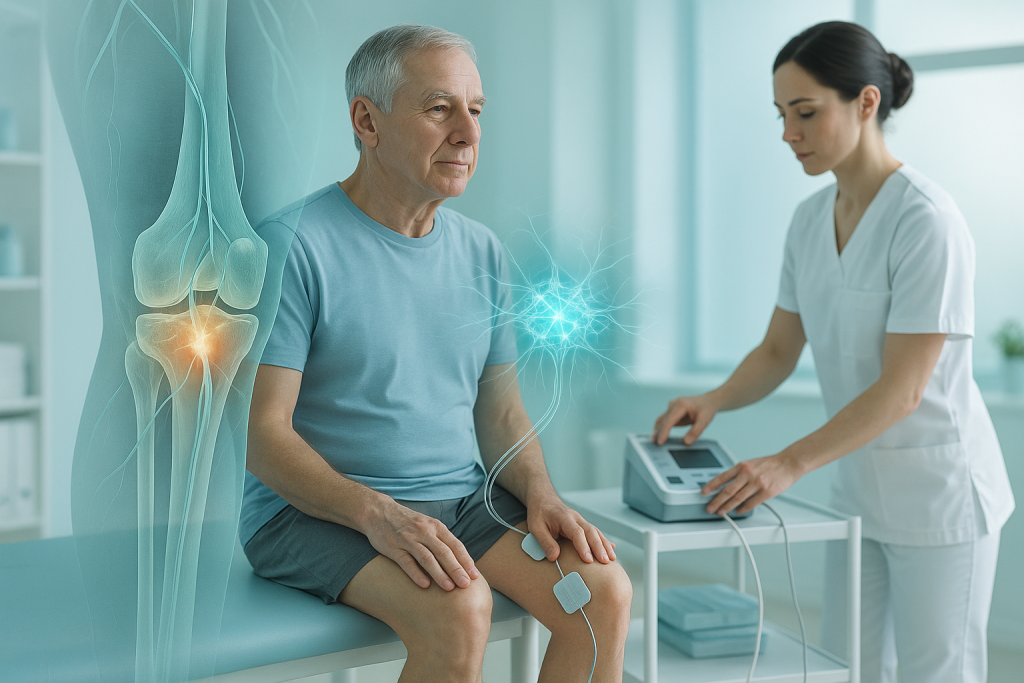
    The Endocannabinoid System — A Turning Point in Optimizing Physiotherapy Procedures in Knee Osteoarthritis

    This post presents a comprehensive review exploring the role of the endocannabinoid system (ECS) in improving physiotherapy approaches for managing knee osteoarthritis (KOA). Conducted by an interdisciplinary team of Romanian researchers from leading medical universities, the study analyzes how physiotherapeutic methods such as electrotherapy, LASER biostimulation, and physical exercise can modulate the ECS to relieve pain, reduce inflammation, and enhance patient outcomes.


    Authors:
    Ilie Onu – Department of Biomedical Sciences, Faculty of Medical Bioengineering, University of Medicine and Pharmacy “Grigore T. Popa” Iași, Romania; Doctoral School, Faculty of Chemical Engineering and Environmental Protection “Cristofor Simionescu,” Technical University “Gheorghe Asachi” Iași, Romania; Department of Physiotherapy, Micromedica Clinic, Piatra Neamț, Romania (RO)
    Ioana Buculei – Department of Biomedical Sciences, Faculty of Medical Bioengineering, University of Medicine and Pharmacy “Grigore T. Popa” Iași, Romania (RO)
    Claudiu Gabriel Ionescu – Department of Medical Psychology, Faculty of General Medicine, “Carol Davila” University of Medicine and Pharmacy, Bucharest, Romania (RO)
    Daniela Nicoleta Stanca – Kineto Dema Training, Bucharest, Romania (RO)
    Bogdan Voicu – OKF Medical Center, Târgu Mureș, Romania (RO)
    Daniel-Andrei Iordan – Department of Individual Sports and Kinetotherapy, Faculty of Physical Education and Sport, and Center of Physical Therapy and Rehabilitation, “Dunărea de Jos” University of Galați, Romania (RO)


    Introduction

    Knee Osteoarthritis (KOA) is one of the most common degenerative joint disorders worldwide, leading to chronic pain, inflammation, and functional impairment. Affecting millions of people, KOA often progresses slowly but inevitably, diminishing mobility and quality of life.

    While conventional management focuses on pharmacological pain control and physical rehabilitation, the study introduces an emerging perspective — the involvement of the endocannabinoid system (ECS) as a non-pharmacological therapeutic target in physiotherapy.


    Objectives of the Study

    The research aims to:

    • Examine how ECS modulation can enhance physiotherapy outcomes in KOA;
    • Identify physiotherapeutic techniques that stimulate endocannabinoid activity;
    • Highlight a paradigm shift in pain management from purely mechanical treatment to neurochemical modulation through physical methods.

    Methodology

    The study conducted a systematic literature review of 82 sources related to:

    knee osteoarthritis, endocannabinoid system, cannabidiol, inflammatory pain, analgesia, neuropathic pain, physiotherapy, electrotherapy, and LASER therapy.

    Seven major international medical databases were searched using well-defined inclusion and exclusion criteria, ensuring a comprehensive overview of interdisciplinary findings across rheumatology, neurology, and rehabilitation sciences.


    Key Findings

    The results demonstrate that physiotherapeutic interventions can activate or enhance the endocannabinoid system, providing analgesic and anti-inflammatory effects:

    1. TENS (Transcutaneous Electrical Nerve Stimulation)
      • Specific frequencies and intensities stimulate endocannabinoid production;
      • Reduces pain perception through ECS activation and modulation of nociceptive pathways.
    2. LASER Biostimulation
      • Enhances cellular metabolism, increases circulation, and promotes endocannabinoid signaling;
      • Supports tissue regeneration and pain relief without pharmacological side effects.
    3. Physical Exercise
      • Stimulates endogenous opioids and endocannabinoids;
      • Provides antioxidant and anti-inflammatory benefits;
      • Improves joint stability, muscle strength, and overall functional mobility.

    These mechanisms highlight that pain control in KOA can be achieved not only by targeting joint structures but also by regulating neurochemical processes that govern pain and inflammation.


    Discussion

    The findings support a holistic, neurophysiological model of physiotherapy in osteoarthritis management. By engaging the ECS and related neuroimmune pathways, therapists can optimize treatment protocols to achieve more effective, long-lasting pain relief.

    Moreover, the integration of ECS-targeted physiotherapy techniques aligns with personalized medicine approaches, addressing both the physiological and psychological dimensions of chronic pain.


    Conclusions

    This review positions the endocannabinoid system as a potential turning point in the physiotherapeutic management of knee osteoarthritis. Techniques such as TENS, LASER biostimulation, and physical exercise represent valuable, evidence-based tools for pain modulation and inflammation control through ECS activation.

    The study concludes that more clinical and experimental research is needed to fully elucidate the mechanisms linking physiotherapy and endocannabinoid function, paving the way for innovative rehabilitation strategies that bridge biomechanics, neurophysiology, and molecular science.

    See full paper here: https://brain.edusoft.ro/index.php/brain/article/view/1407.

  • Research Publications

    Determining the Educational Needs of Students Regarding the Use of Augmented Reality Applications in Museums

    This study explores the educational needs of university students in using Augmented Reality (AR) applications within museum learning environments. As AR technologies become increasingly integrated into educational and cultural spaces, their potential to create immersive, interactive, and lasting learning experiences has gained significant attention. However, despite their promise, many students lack the necessary training and digital literacy to effectively implement AR tools in educational contexts.


    Conducted during the 2023–2024 spring semester at Near East University, this quantitative study employed a screening model to assess the needs of 99 university students enrolled in museum education and digital literacy courses. Data were collected using a 5-point Likert-type educational needs survey and analyzed based on mean score distributions. The results reveal that students require more structured instruction and hands-on training in AR applications such as Smartify, Museum Alive, Layar, Wonderscope, ARLOOPA, ARKit, Vuforia Engine, and ARCore.


    The findings emphasize the importance of integrating AR-focused training into educational programs, particularly within museum studies and digital learning curricula. Future research directions include encouraging students to design and develop their own AR-based museum applications after receiving targeted training, thereby bridging the gap between digital innovation and educational practice.

    See full paper here: http://dx.doi.org/10.70594/brain/15.4/19

  • Research Publications

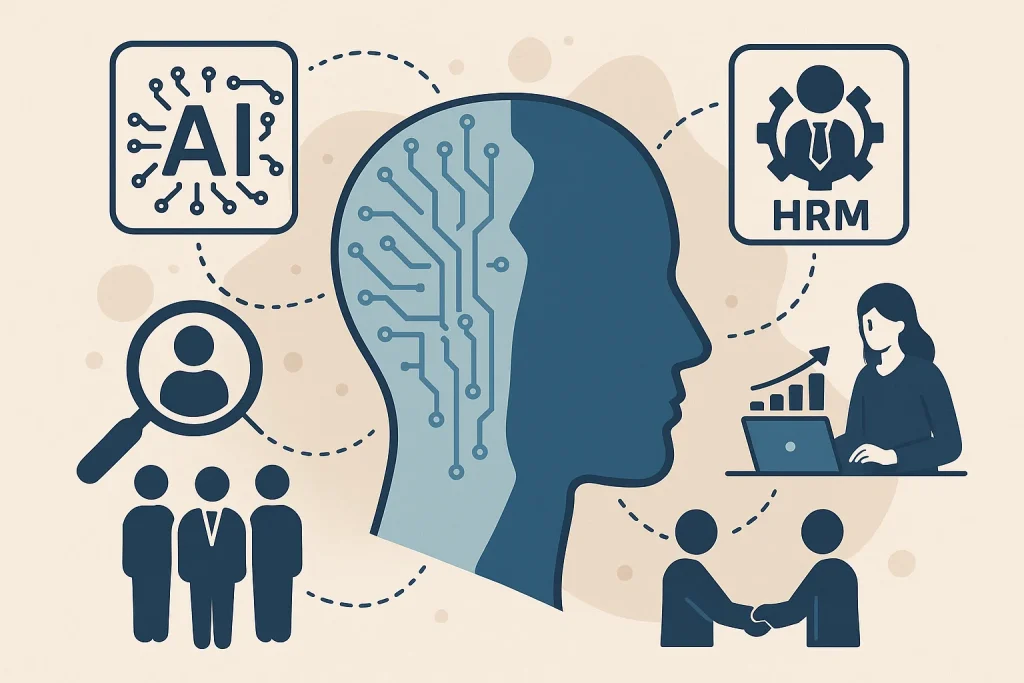
    Exploring the Intersection of Artificial Intelligence and Human Resource Management: A Bibliometric Study

    This article investigates the dynamic intersection between Artificial Intelligence (AI) and Human Resource Management (HRM), highlighting how AI technologies are reshaping organizational efficiency, decision-making, and employee engagement. Through an extensive bibliometric analysis, the study provides a comprehensive overview of global research trends and developments in this domain from 2014 to 2023, based on 491 scholarly publications indexed in the Web of Science database.


    The findings reveal how AI applications have become increasingly critical in HRM, especially during the COVID-19 pandemic, where they supported healthcare professionals, enabled remote work environments, and optimized workforce management under high-pressure conditions. The integration of AI into leadership management, data-driven decision systems, and information management frameworks has led to measurable improvements in organizational performance, talent acquisition, and employee experience.


    Ultimately, the study concludes that the continuous evolution of AI technologies will further advance their strategic role within HRM. By fostering adaptability, responsiveness, and operational intelligence, AI-driven HRM is positioned to address emerging workforce challenges and sustain innovation in a rapidly changing global labor market.

    See full paper here: http://dx.doi.org/10.70594/brain/15.4/15

  • Research Publications

    The Brain’s Essential Role in Mediating Immune Responses: HPA Axis to Leverage Signals with a Systemic Approach

    This paper investigates the brain’s pivotal role in coordinating and mediating immune responses, emphasizing the integrative function of the hypothalamic–pituitary–adrenal (HPA) axis. Although the influence of various brain regions on immune modulation is widely acknowledged, the underlying neuroimmune pathways remain complex and insufficiently understood. Traditional animal knockout models often fail to capture the full spectrum of human biological and psychological factors, creating a gap in translational neuroscience.


    To address this challenge, the study introduces a computational neuroscience approach designed to federate diverse experimental data and biological signals, including neuro-endocrine, lymphatic, and neuro-electrical components. Using a hierarchical HPA axis model as the central analytical framework, it demonstrates how previous results obtained from murine models can be re-evaluated through advanced in silico human modeling. This systemic computational schema provides a new avenue for exploring neuroimmune interactions, offering deeper insight into how brain-mediated signaling influences immune responses in humans.ining neuro-endocrine, lymphatic, and neuro-electrical data to understand neuroimmune mechanisms in humans.

    See full paper here: http://dx.doi.org/10.70594/brain/15.4/25

  • News

    Collaboration Between BRAIN Journal and Resident Doctors

    At BRAIN – Broad Research in Artificial Intelligence and Neuroscience (indexed in Web of Science), we are proud to collaborate with resident doctors from various medical fields.


    This partnership serves a dual purpose: it ensures that the scientific articles we publish are reviewed by specialists with relevant expertise, and it provides young doctors with an academic environment where they can further develop their research and critical analysis skills.

    One of these valuable collaborations is with Dr. Andrada Paula Mucea, Neurology Resident at the Clinical Rehabilitation Hospital in Cluj-Napoca, Romania.

    She is one of the dedicated professionals working behind the scenes, carefully reviewing the scientific accuracy of neuroscience articles and ensuring the quality of English used in them, always paying close attention to detail.

    We are deeply grateful for her professionalism and her contribution to maintaining the high standards of our journal.

  • Research Publications

    Aggressivity in Schizophrenia: The Risk and Confounders in a Romanian Setting

    This post presents a clinical study investigating the relationship between schizophrenia and aggressive behavior in a Romanian population. Conducted by researchers from the Iuliu Hațieganu University of Medicine and Pharmacy and the Emergency County Hospital of Cluj-Napoca, the study examines the actual risk of violence among patients with schizophrenia, accounting for key confounding factors such as alcohol and substance use.


    Authors:
    Maria Bonea – Iuliu Hațieganu University of Medicine and Pharmacy, Cluj-Napoca, Romania (RO)
    Iulia Larisa Kadar – Iuliu Hațieganu University of Medicine and Pharmacy, Cluj-Napoca, Romania (RO)
    Cristian Delcea – Emergency County Hospital, Cluj-Napoca, Romania (RO)
    Bianca Malina Horgoș – Emergency County Hospital, Cluj-Napoca, Romania (RO)
    Catalina Angela Crișan – Iuliu Hațieganu University of Medicine and Pharmacy, Cluj-Napoca, Romania (RO)


    Background and Rationale

    Schizophrenia remains one of the most stigmatized mental disorders, often associated in public perception with violence and unpredictability. In Romania, as in many other countries, this stigma contributes to fear, social exclusion, and discrimination toward people living with schizophrenia.

    However, scientific data on the actual relationship between schizophrenia and aggression are limited, especially within the Romanian context, where alcohol and substance use — themselves major risk factors for violence — are highly prevalent.

    This study aims to provide evidence-based insight into whether patients with schizophrenia truly exhibit higher levels of aggression and how coexisting risk factors influence that behavior.


    Objectives

    1. To compare aggressivity levels between hospitalized patients with schizophrenia and healthy control participants.
    2. To identify potential risk factors and confounders influencing aggressive behavior, particularly alcohol and substance abuse.
    3. To contribute to the development of informed public health strategies for reducing violence risk and stigma.

    Methodology

    This case-control study included 100 participants, matched for age and gender:

    • Case group: 50 patients diagnosed with schizophrenia and hospitalized in an emergency psychiatric facility;
    • Control group: 50 healthy individuals with no history of psychiatric disorders.

    The following standardized tools were used:

    • Mini International Neuropsychiatric Interview (MINI) – for psychiatric screening;
    • Buss-Perry Aggression Questionnaire (BPAQ) – for measuring aggression levels across physical, verbal, anger, and hostility domains;
    • CAGE questionnaire – for detecting alcohol abuse;
    • Drug Abuse Screening Test (DAST-10) – for identifying substance use disorders.

    Key Findings

    • Patients with schizophrenia exhibited a 3.93-fold increase in aggressivity compared to healthy controls.
    • The highest aggression scores were associated with younger male patients and those reporting alcohol abuse.
    • Substance use disorders and non-adherence to treatment further increased the likelihood of violent behavior.
    • Distinct domains of aggression—particularly physical and verbal components—were more pronounced in the schizophrenia group.

    However, the study also emphasizes that aggression in schizophrenia is not universal and often arises in interaction with confounding factors, such as intoxication, acute psychosis, or social stressors.


    Discussion

    The findings underscore the importance of contextualizing violence risk in schizophrenia rather than viewing it as a direct result of the illness itself.

    Most individuals with schizophrenia are not violent and are far more likely to be victims of violence than perpetrators. Nonetheless, untreated psychosis, comorbid substance abuse, and social deprivation can increase risk in specific cases.

    To address these challenges, the authors recommend:

    • Improving treatment adherence and continuity of care;
    • Integrating substance abuse management within psychiatric services;
    • Public health campaigns aimed at reducing stigma and promoting early intervention;
    • Training healthcare professionals in recognizing and managing high-risk situations.

    Conclusion

    This Romanian study contributes valuable data to the global understanding of aggression and schizophrenia, showing that while aggression levels are higher among patients, these differences are largely mediated by confounding factors such as age, gender, and alcohol use.

    Effective prevention and treatment strategies must therefore go beyond the psychiatric diagnosis itself, focusing on holistic care, rehabilitation, and social reintegration.


    See full paper here: https://brain.edusoft.ro/index.php/brain/article/view/1633.

  • Research Publications

    HLA Allele’s Role in Cannabis Addiction

    This post presents the findings of a pilot genetic study conducted by researchers from the University of Medicine and Pharmacy “Iuliu Hațieganu,” Cluj-Napoca, Romania. The research explores the potential link between specific HLA alleles and an individual’s susceptibility—or resistance—to developing cannabis addiction, opening new directions in the understanding of addiction genetics.


    Authors:
    Andrei Buciuta – University of Medicine and Pharmacy “Iuliu Hațieganu,” Cluj-Napoca, Romania (RO)
    Horia G. Coman – University of Medicine and Pharmacy “Iuliu Hațieganu,” Cluj-Napoca, Romania (RO)
    Bogdan Nemeș – University of Medicine and Pharmacy “Iuliu Hațieganu,” Cluj-Napoca, Romania (RO)
    Radu Oroian – University of Medicine and Pharmacy “Iuliu Hațieganu,” Cluj-Napoca, Romania (RO)
    Mihaela E. Vușcan – University of Medicine and Pharmacy “Iuliu Hațieganu,” Cluj-Napoca, Romania (RO)


    Background and Objectives

    Addiction has long been recognized as a complex interplay of biological, psychological, and social factors. While much research has focused on environmental and behavioral influences, genetic factors are increasingly being recognized as key contributors to addiction vulnerability.

    The study titled “HLA Allele’s Role in Cannabis Addiction” investigates the human leukocyte antigen (HLA) system, a crucial part of the immune system, to determine whether certain alleles might act as risk or protective factors in the development of cannabis addiction.

    The authors hypothesize that specific variations within the HLA complex could influence neurological or immunological pathways related to addiction mechanisms.


    Methodology

    A total of 60 participants were included in this pilot study, divided into two groups:

    • Control group: 40 individuals with no history of cannabis use;
    • Case group: 20 individuals clinically identified as having cannabis addiction.

    All participants underwent HLA genotyping, and the frequency of specific alleles and haplotypes was compared between the two groups to identify potential genetic markers linked to addiction vulnerability or resilience.


    Results

    The analysis revealed both protective and risk-associated genetic factors:

    • Certain alleles and haplotypes appeared to have a potential protective role, possibly decreasing susceptibility to cannabis addiction.
    • Conversely, one specific haplotype was identified as a risk factor, increasing the likelihood of addiction development among carriers.

    These findings suggest that genetic variation within the HLA complex could play a measurable role in influencing addictive behavior—either by modulating immune responses or through mechanisms affecting neurobiological function.


    Discussion

    The HLA system is best known for its role in immune regulation and antigen presentation, but emerging evidence links it to neuroinflammatory and neurodevelopmental processes as well. The study’s findings align with recent interdisciplinary research suggesting that immune-genetic factors may interact with neural circuits involved in reward, stress, and motivation, contributing to addiction vulnerability.

    While the study sample was limited, it provides a valuable proof of concept for further genetic exploration into addiction susceptibility markers. Understanding these biological predispositions could eventually aid in:

    • Personalized prevention strategies,
    • Targeted therapeutic approaches, and
    • Early identification of individuals at higher risk.

    Conclusions

    This pilot research highlights several potential HLA alleles that may act as either protective or predisposing factors in cannabis addiction.

    Although preliminary, the results underscore the importance of integrating genetic screening and molecular biology into addiction research. Future studies with larger populations could clarify the biological mechanisms linking HLA variants to neurobiological responses to cannabis, ultimately contributing to a precision-medicine approach in addiction prevention and treatment.


    Read full article here: https://brain.edusoft.ro/index.php/brain/article/view/1626.

  • Research Publications

    Video Game Addiction Among Adolescents

    This post discusses a multidisciplinary study exploring both the positive and negative psychological effects of video gaming, with a particular focus on addiction among teenagers. Conducted by researchers from “Elisabeta Doamna” Psychiatry Hospital, the University of Medicine and Pharmacy “Grigore T. Popa” Iași, and “Dunărea de Jos” University of Galați, the study provides a balanced, evidence-based perspective on one of the most debated behavioral phenomena of our time.


    Authors:
    Cezara Crucianu – “Elisabeta Doamna” Psychiatry Hospital, Galați, Romania (RO)
    Vladimir Poroch – University of Medicine and Pharmacy “Grigore T. Popa” Iași, Romania (RO)
    Lucian Ștefan Burlea – University of Medicine and Pharmacy “Grigore T. Popa” Iași, Romania (RO)
    Ovidiu Mihai Ștefănescu – University of Medicine and Pharmacy “Grigore T. Popa” Iași, Romania (RO)
    Anamaria Ciubara – “Dunărea de Jos” University of Galați, Romania (RO)


    Introduction

    Over the past decade, the video game industry has expanded at an unprecedented pace, attracting over two billion users worldwide, with adolescents making up a significant portion of this population.
    While video gaming is now a dominant form of entertainment and social interaction, researchers have increasingly turned their attention to its potential risks and rewards for mental and physical health.

    The study titled “Video Game Addiction Among Adolescents” seeks to identify both the beneficial and harmful consequences of excessive gaming and to clarify widespread misconceptions about its impact.


    The Dual Nature of Gaming

    The authors note that video gaming cannot be viewed simply as “good” or “bad” — its effects depend on duration, context, and individual vulnerability.

    Potential Negative Effects

    Excessive or compulsive gaming has been linked to several health and behavioral challenges, including:

    • Reduced physical activity and sedentary lifestyle;
    • Vision strain and postural issues;
    • Decreased attention span and patience;
    • Sleep disturbances;
    • Increased irritability, anxiety, or aggression;
    • Depressive symptoms and social withdrawal.

    In its most severe form, gaming disorder—recognized by the World Health Organization (WHO) in 2019—is characterized by impaired control over gaming, prioritization of gaming over other activities, and continuation of play despite negative consequences.

    Recognized Positive Effects

    However, the study also emphasizes the constructive potential of video games when used in moderation and with purpose:

    • Enhanced cognitive flexibility and problem-solving abilities;
    • Improved hand–eye coordination and spatial reasoning;
    • Development of teamwork and communication skills in multiplayer contexts;
    • Mood enhancement and stress relief;
    • Increased self-confidence and sense of achievement.

    These outcomes illustrate that gaming can foster personal and social development, particularly when games are designed with educational or cooperative goals in mind.


    Discussion

    The researchers advocate for a balanced, evidence-informed approach to understanding video game use among adolescents.
    While some individuals are more susceptible to addiction — often due to psychological vulnerability, emotional distress, or lack of offline social support — most adolescents engage in gaming as a normative and manageable leisure activity.

    Therefore, prevention and intervention strategies should focus on:

    • Early identification of at-risk players;
    • Parental and educational guidance in setting healthy limits;
    • Psychological counseling for those exhibiting dependency patterns;
    • Public awareness campaigns that destigmatize gaming while promoting responsible use.

    Conclusion

    The study concludes that video gaming represents both a risk and a resource for adolescent development.
    The challenge lies not in condemning gaming itself but in understanding when and why it becomes excessive or harmful.

    Continued interdisciplinary research and collaboration between mental health professionals, educators, and game developers are essential for improving prevention, diagnosis, and treatment outcomes for those affected by gaming-related problems.


    See full paper here: https://brain.edusoft.ro/index.php/brain/article/view/1487.

  • News

    A Note of Appreciation and Gratitude

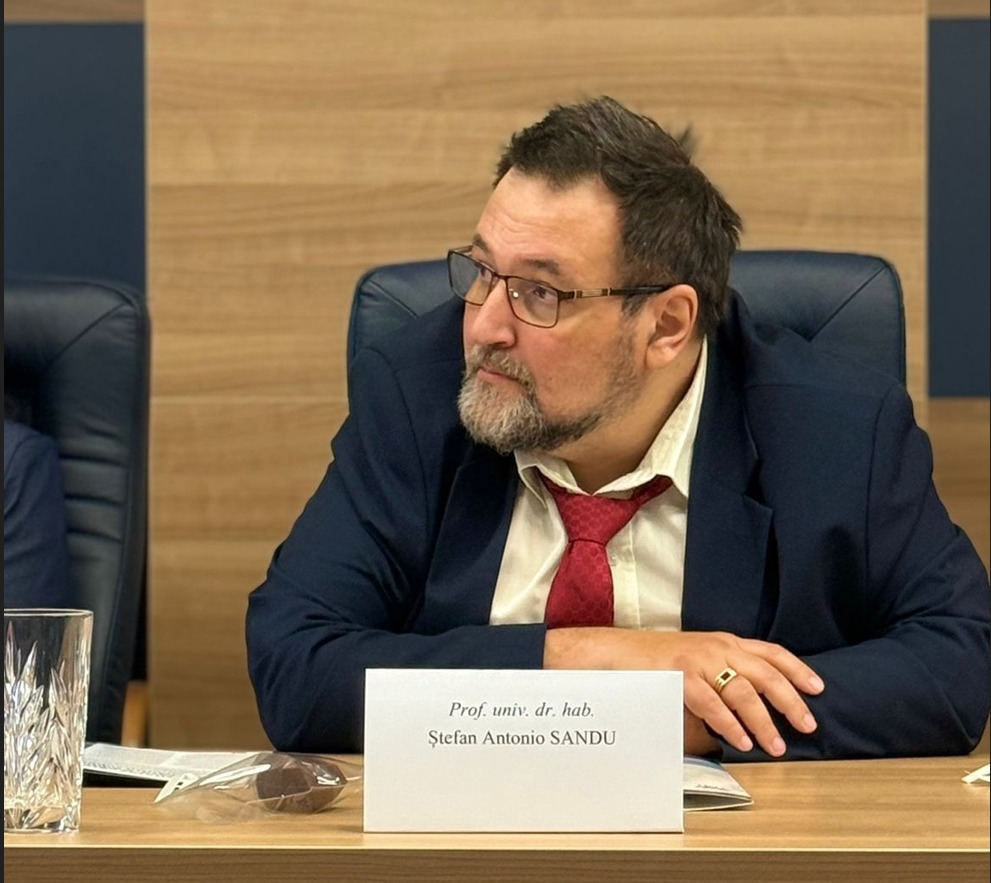
    Between January 2019 and August 2024, the BRAIN. Broad Research in Artificial Intelligence and Neuroscience journal was proudly coordinated by Professor Antonio Sandu, PhD, and his dedicated team from LUMEN Publishing House, Iași, Romania.

    Under the leadership of Prof. univ. dr. Antonio Sandu, together with Mrs. Bianca Sandu, Executive Editor-in-Chief, BRAIN Journal has evolved into a distinguished international platform for academic dialogue and interdisciplinary research — at the crossroads of artificial intelligence, cognitive sciences, and neuroscience.

    We express our deepest gratitude and respect to Professor Sandu for his remarkable vision, commitment, and scholarly contribution to the journal’s development and global visibility.


    About Professor Antonio Sandu

    Professor Antonio Sandu is a tenured professor at “Ștefan cel Mare” University of Suceava, Senior Researcher at the LUMEN Research Center in Social and Humanistic Sciences, PhD supervisor at the University of Oradea, and *CEO of LUMEN Publishing House.

    His research spans ethics, bioethics, sociology, social philosophy, and public administration, with original contributions to the theory of the social construction of reality and communicative action.

    He is the author of over 20 books and more than 100 scientific papers — including 45 indexed in the Web of Science (WoS) — holding an H-index of 10, a testament to his dedication to academic excellence and intellectual leadership.


    We sincerely thank Professor Antonio Sandu and Mrs. Bianca Sandu for their years of devoted service and inspiring leadership.
    Their vision, ethical guidance, and commitment to quality scholarship have left a lasting legacy in the history of BRAIN Journal and within the broader academic community.

  • Research Publications

    War — Psychological Skills for Coping with Traumatic Events: Helping Ukraine

    This post presents an important study on developing psychological skills and interventions to help Ukrainians cope with trauma caused by the ongoing war. Conducted by researchers from Kyiv National University of Culture and Arts, Kyiv Polytechnic Institute, and Berdiansk State Pedagogical University, the paper explores how individuals and society can build resilience, recover psychological health, and overcome the long-term consequences of war-related stress.


    Authors:
    Yuliia Rybinska – Doctor of Science (Dr. Hab.) in Education, Professor, Head of the Foreign Philology Department, Kyiv National University of Culture and Arts, Kyiv, Ukraine (UA)
    Maryna Antonivska – Lecturer, Foreign Philology Department, Kyiv National University of Culture and Arts, Kyiv, Ukraine (UA)
    Olha Serbova – PhD in Psychology, Associate Professor, Department of Psychology and Pedagogy, National Technical University of Ukraine “Ihor Sikorsky Kyiv Polytechnic Institute,” Kyiv, Ukraine (UA)
    Maryna Mykolaenko – Assistant, Foreign Philology Department, Kyiv National University of Culture and Arts, Kyiv, Ukraine (UA)
    Olha Frolova – Associate Professor, Department of Psychology, Berdiansk State Pedagogical University, Berdiansk, Ukraine (UA)
    Olena Kolpakchy – Senior Lecturer, Department of Psychology, Berdiansk State Pedagogical University, Berdiansk, Ukraine (UA)


    Psychological Context and Purpose

    The full-scale invasion of Ukraine became one of the most profound traumatic events in modern European history. Millions of people have experienced loss, displacement, and prolonged uncertainty, leading to widespread psychological consequences.

    The article “War — Psychological Skills for Coping with Traumatic Events: Helping Ukraine” emphasizes the urgent need for comprehensive psychological support systems, capable of helping citizens adapt, recover, and rebuild emotional stability in the face of war-related trauma.

    Objectives of the Study

    The authors set out to:

    • Develop theoretical and methodological foundations for restoring psychological health;
    • Study technologies of social and psychological rehabilitation for combatants, internally displaced persons, and civilians;
    • Identify methods of mobilizing personal resources that enhance adaptation and recovery;
    • Promote public awareness of trauma and post-traumatic stress as vital aspects of national resilience.

    War Trauma and Its Psychological Effects

    War deeply affects both individual and collective psychology. The study reveals that exposure to violence, fear, and displacement disrupts personal stability, erodes trust, and challenges people’s sense of identity and purpose.

    Common emotional and behavioral outcomes include:

    • Chronic anxiety and hypervigilance;
    • Sleep disturbances and depression;
    • Emotional numbness or loss of motivation;
    • Post-traumatic stress disorder (PTSD);
    • Difficulties in social reintegration for veterans and displaced persons.

    However, the researchers also underline that trauma does not always lead to dysfunction — with appropriate psychological support and community engagement, individuals can experience post-traumatic growth, developing new strengths, empathy, and resilience.

    Psychological Skills for Coping and Recovery

    The article presents a framework of psychological skills and interventions essential for coping with traumatic experiences:

    1. Self-regulation techniques – breathing, mindfulness, and grounding exercises to manage stress responses.
    2. Cognitive restructuring – reframing negative thoughts and re-establishing a sense of meaning.
    3. Social support building – strengthening interpersonal connections and community belonging.
    4. Trauma-informed counseling and psychoeducation – helping individuals understand their reactions and normalize their experiences.
    5. Empowerment and resilience training – mobilizing inner resources, self-efficacy, and hope.

    These skills can be taught not only by trained psychologists but also through educational programs, community workshops, and peer support networks.

    Institutional and Societal Challenges

    The authors stress that addressing psychological trauma requires a multi-level approach:

    • Expanding the national mental health infrastructure;
    • Training more specialists in diagnosis, counseling, and trauma therapy;
    • Promoting public education campaigns to dismantle stigma surrounding mental health;
    • Encouraging collaboration between psychologists, educators, and policymakers.

    They emphasize that healing war trauma is not just a medical or psychological issue — it is a societal transformation process requiring empathy, unity, and shared responsibility.

    Conclusion

    The study concludes that the path to psychological recovery in wartime Ukraine lies in developing not only professional rehabilitation systems but also a culture of psychological literacy and emotional resilience.

    Through education, awareness, and collective support, Ukrainians can learn to cope, adapt, and rebuild in the aftermath of trauma — transforming pain into purpose and vulnerability into strength.


    Read the full article here: https://brain.edusoft.ro/index.php/brain/article/view/1359.

  • Research Publications

    Methodological Tools for Carrying Out Psychological Training

    This post explores the theoretical, methodological, and practical foundations of psychological training as a structured process for personal development and behavioral change. It outlines key methodological tools, psychological conditions, and training technologies that guide how trainers design, conduct, and evaluate psychological sessions for education, correction, and growth.


    Authors:
    Tamara Kryvonis – DS, Associate Professor, Department of Psychiatry, Addiction Medicine, General and Medical Psychology, Faculty of Postgraduate Education, National Pirogov Memorial Medical University, Ukraine (UA)
    Olha Artemova – Candidate of Pedagogical Sciences, Associate Professor, Department of General Psychology and Psychological Diagnostics, Rivne State University of the Humanities, Ukraine (UA)
    Kseniia Androsovych – Candidate of Psychological Sciences, Senior Researcher, Docent, Head of the Department of Psychology, International Scientific and Technical University named after Academic Yuri Bugay, Ukraine (UA)
    Maryna Zaushnikova – Candidate of Psychological Sciences, Associate Professor, Department of Psychology, Pedagogy and Sociology, State Tax University, Ukraine (UA)
    Iryna Agapova – PhD in Psychology, Senior Lecturer, Department of Psychology, Dnipro Humanitarian University, Ukraine (UA)
    Valentina Kutishenko – Candidate of Psychological Sciences, Associate Professor, Department of Personality Psychology and Social Practices, Faculty of Psychology, Social Work and Special Education, Borys Grinchenko Kyiv University, Ukraine (UA)


    Understanding Psychological Training

    Psychological training is a purposeful and structured form of group or individual work aimed at developing personal qualities, professional competencies, and behavioral flexibility. It serves as a form of psychocorrectional and educational intervention, allowing participants to gain new experiences, strengthen communication skills, and transform unproductive behavioral patterns.

    The article “Methodological Tools for Carrying Out Psychological Training” examines how specific methodological and technological tools help psychologists design effective training sessions that foster both learning and personal change.

    Theoretical and Methodological Foundations

    The study presents a psychological-technological approach to psychological training, treating it as an applied form of impact and learning. It emphasizes that the success of any training depends on:

    • the technological concept of the session,
    • the trainer’s understanding of participants’ individual traits,
    • and the adequate choice of methods aligned with participants’ goals and expectations.

    Psychological training is viewed not as a rigid procedure but as a creative, adaptive process combining science, empathy, and interaction.

    Classification of Methodological Tools

    Based on theoretical and methodological analysis, the authors identify four primary blocks of methodological tools used in psychological training:

    1. Educational-Informational Tools – materials and methods that convey knowledge or concepts necessary for self-awareness and behavioral insight (e.g., mini-lectures, discussions, feedback).
    2. Psychological Tools – techniques that engage emotions, attitudes, and self-reflection (e.g., guided imagery, psychodrama, emotional awareness exercises).
    3. Simulation Tools – structured activities that reproduce real-life situations for practicing behavioral responses (e.g., case studies, simulations).
    4. Role-Playing Tools – exercises that allow participants to act out roles and explore interpersonal dynamics in a safe environment.

    These blocks can be combined depending on the training paradigm (e.g., humanistic, behavioral, cognitive) and the purpose of the program.

    Trainer’s Role and Training Conditions

    The authors emphasize that the trainer’s competence—both personal and professional—is crucial to training success.
    The trainer must:

    • identify participants’ expectations, motivations, and needs,
    • establish trust-based, partnership relations,
    • and adapt methods to the group’s psychological dynamics.

    Depending on the context, trainers may employ a partner (democratic) approach—encouraging openness and collaboration—or an authoritarian (centrally managed) approach—maintaining control and structure when necessary.

    The formation of a self-efficient team is one of the key stages in successful psychological training. Mutual respect, group cohesion, and emotional safety are essential conditions for effective transformation.

    The Technological Concept of Training

    The article interprets psychological training as a technology of influence and development, combining methodological precision with creative flexibility.
    Effectiveness depends on:

    • clear methodological principles and ethical rules;
    • adaptation to the group’s characteristics and goals;
    • and the trainer’s ability to facilitate deep personal reflection.

    Training technologies are thus seen as a creative resource that expands the psychologist’s professional capabilities and fosters participants’ personal growth.

    Conclusion

    Psychological training is most effective when it integrates theory, technology, and human connection. The methodological tools described in this study provide a framework for building trainings that not only educate but transform behavior, enhance self-awareness, and develop psychological resilience.

    Read the full article here: https://brain.edusoft.ro/index.php/brain/article/view/1357.

  • News

    The National Theatre “Vasile Alecsandri” in Iași – A Living Laboratory of Emotion and University Spirit

    Founded in 1840, the National Theatre of Iași is not only the oldest theatrical institution in Romania but also a powerful symbol of Moldova’s intellectual and artistic life.

    In the second half of the 19th century, its stage became more than a cultural venue—it was a meeting place for professors, students, and writers, a true public aula where art met science and emotion met reflection.


    The Theatre and the University: Two Faces of the Same Spirit

    The University of Iași and the Theatre grew together. One shaped critical thought, while the other refined emotional intelligence.
    Before large university halls existed, the theatre’s auditorium hosted academic ceremonies, public lectures, and intellectual debates, uniting the voices of a city where learning and creativity were inseparable.

    At the end of the 19th century, Romanian scientific psychology also took root in Iași — through Eduard Gruber and Petre Botezatu, pioneers of experimental psychology.

    In a beautiful way, the theatre became the living laboratory of the soul, while the university served as the theoretical laboratory of the mind.


    Continuing a Tradition of Thought and Emotion

    Today, this legacy continues. Researchers from Iași working in psychology, neuroscience, and artificial intelligence contribute to the international journal BRAIN. Broad Research in Artificial Intelligence and Neuroscience, published by EduSoft, bringing Iași’s long dialogue between art and science into the global arena.

    From the stage of the National Theatre to the pages of scientific journals, Iași remains a city where culture and knowledge think together about the human being — a space where intellect and emotion still meet in harmony.

  • Research Publications

    Emotional Intelligence of Schoolchildren in the Educational Process

    This post discusses recent research on how emotional intelligence (EI) manifests and develops among Ukrainian schoolchildren, based on teacher observations and analysis. The study highlights that EI can be effectively diagnosed within educational settings without relying solely on psychometric testing, emphasizing the role of teachers’ perceptions, classroom observation, and emotional development markers.


    Authors:
    Olha Babiak – Mykola Yarmachenko Institute of Special Education and Psychology of the NAES of Ukraine (UA)
    Svitlana Sytnik – South Ukrainian National Pedagogical University named after K. D. Ushynsky, Ukraine (UA)
    Olena Zharovska – Vinnytsia Academy of Continuing Education, Ukraine (UA)
    Iryna Kondratieva – South Ukrainian National Pedagogical University named after K. D. Ushynsky, Ukraine (UA)
    Liudmyla Smokova – Odessa I.I. Mechnikov National University, Ukraine (UA)
    Uliana Varnava – Odessa I.I. Mechnikov National University, Ukraine (UA)


    Understanding Emotional Intelligence in Education

    Emotional intelligence (EI) refers to the ability to recognize, understand, and manage one’s own emotions as well as those of others. In the educational context, EI plays a crucial role in social interaction, learning motivation, conflict resolution, and psychological well-being.

    The article “Emotional Intelligence of Schoolchildren in the Educational Process” explores how teachers can identify and nurture these emotional abilities through everyday observation — without the need for formal psychometric instruments.

    Study Overview

    The research is based on a questionnaire survey of 120 Ukrainian primary school teachers, most with significant classroom experience. Data were collected both electronically and in person.

    Using methods of analysis, generalization, ranking, and frequency statistics, the authors sought to systematize teacher observations of emotional behaviors, interpersonal skills, and adaptive responses among students.

    Although the study focuses on a single central region of Ukraine, the authors note that its findings offer a representative perspective and can serve as a basis for broader future research.

    Main Findings

    The authors identified several core components of emotional intelligence and described their relationships with other psychological traits. Through the teachers’ responses, they classified observable markers of EI that can be used in everyday school practice.

    Key findings include:

    • EI can be effectively assessed through observation rather than formal testing, particularly in the classroom environment where children’s emotional behaviors naturally manifest.
    • Markers of emotional development—such as empathy, self-control, cooperation, and resilience—can be monitored over time to evaluate a child’s emotional growth.
    • Correlation between EI and learning outcomes indicates that students with higher emotional awareness often demonstrate better adaptability and academic engagement.

    Theoretical and Practical Implications

    The article adopts a theoretical and analytical approach, drawing on both sociological data and psychological theory. It emphasizes that teachers play a diagnostic and developmental role in fostering emotional intelligence.

    By recognizing early indicators of emotional maturity or imbalance, educators can:

    • Design interventions to support emotional learning;
    • Build emotionally supportive classrooms;
    • Enhance communication between students, teachers, and parents;
    • Encourage reflective and empathetic classroom cultures.

    Limitations and Future Research

    The authors acknowledge that the study’s geographical limitation — data collected from one region of Ukraine — constrains its generalizability. They suggest expanding the research across different regions and educational levels to confirm and enrich the findings.

    Conclusion

    The research confirms that emotional intelligence is observable, measurable, and developable within the natural educational process. Teachers, through mindful observation and reflective practice, can become powerful agents in nurturing EI — ultimately enhancing students’ social competence, self-regulation, and emotional well-being.

    Read the full article here: https://brain.edusoft.ro/index.php/brain/article/view/1355.

  • Research Publications

    Methodological Foundations of Psychological and Pedagogical Counseling

    This post explores the theoretical and methodological principles behind psychological and pedagogical counseling in contemporary education. It focuses on how counseling integrates insights from neuropsychology, neuropedagogy, and inclusive education to support adaptive behavior, personal development, and professional competence among learners and educators.


    Authors:
    Yurii Kashpur – National Pedagogical Dragomanov University, Ukraine (UA)
    Liudmyla Lupiiko – National Pedagogical Dragomanov University, Ukraine (UA)
    Oleksii Liashenko – National Pedagogical Dragomanov University, Ukraine (UA)
    Vira Kuzmenko – National Pedagogical Dragomanov University, Ukraine (UA)
    Nataliia Huzii – National Pedagogical Dragomanov University, Ukraine (UA)
    Olena Tadeush – Boris Grinchenko Kyiv University, Ukraine (UA)


    Understanding Psychological and Pedagogical Counseling

    Psychological and pedagogical counseling represents a specialized field that bridges psychology and education, aiming to provide emotional, cognitive, and behavioral support to learners, educators, and families. It serves as a consultative process that helps individuals adapt to the challenges of the educational environment while promoting mental health, social integration, and personal growth.

    This article examines the methodological and theoretical underpinnings of counseling practices, emphasizing their interdisciplinary nature — particularly the connection to neuropsychology, neuropedagogy, and neurophysiology.

    Key Theoretical and Methodological Principles

    The authors propose that effective counseling must be grounded in both scientific theory and practical methodology, which together define how psychological assistance is provided in educational settings. The paper identifies several crucial foundations:

    • Theoretical and methodological principles — establishing the conceptual base for counseling as a structured process of professional interaction.
    • Psychological mechanisms — explaining how individuals process emotional and cognitive experiences during counseling sessions.
    • Ethical standards — ensuring that the counselor demonstrates empathy, confidentiality, and professional integrity.

    These elements shape the competence and effectiveness of counselors working in educational institutions.

    Psychological Approaches Applied in Counseling

    The research identifies three dominant approaches in current psychological and pedagogical counseling:

    1. Person-centered approach – focusing on empathy, unconditional positive regard, and the individual’s capacity for self-actualization (inspired by Carl Rogers).
    2. Problem-oriented approach – addressing specific challenges or difficulties the client faces, aiming to build coping strategies and adaptive skills.
    3. Professional-competence approach – emphasizing the counselor’s expertise, continuous self-development, and adherence to evidence-based practices.

    These approaches are often integrated to meet the diverse psychological and educational needs of today’s learners, particularly in inclusive education environments.

    Counseling in Inclusive and Neurodiverse Education

    The article underscores the importance of psychological and pedagogical counseling in inclusive education, where students with diverse learning and developmental needs are supported through tailored psychological assistance. The integration of neuropedagogical and neuropsychological knowledge helps educators better understand how brain functions relate to learning behaviors, enabling more effective strategies for children with special educational needs.

    Counseling in such contexts is not merely corrective — it becomes a transformative process, fostering adaptation, resilience, and emotional intelligence.

    Conclusion

    The study establishes that modern psychological and pedagogical counseling must rely on a person-centered, scientifically grounded, and ethically responsible methodology. By combining theoretical frameworks with applied psychological mechanisms and neurocognitive insights, counselors can better guide individuals toward achieving adaptive, balanced, and fulfilling participation in the educational process.

    Read the full article here: https://brain.edusoft.ro/index.php/brain/article/view/1354.